Nylon, a ubiquitous material woven into our daily lives, originates from petrochemical processes that exact a heavy environmental toll. From extracting non-renewable fossil fuels, which disturb ecosystems and pollute water, to energy-intensive chemical transformations that emit greenhouse gases, nylon’s production is a hidden chain of ecological costs. Beyond its durable, versatile qualities lies a troubling legacy: microplastics shed during laundering contaminate waterways, harm marine life, and threaten human health through seafood consumption. Its persistence in landfills and environments fuels long-lasting pollution, while the reliance on finite resources raises sustainability concerns. Are we truly aware of the true cost behind our nylon products? As awareness grows, so does the urgency to embrace sustainable alternatives—bio-based fibers, recycling, and eco-friendly manufacturing—that could redefine the future of this pervasive material. Understanding nylon’s hidden environmental and social impacts compels us to rethink our choices and protect our planet for generations to come.
Unveiling Nylon’s Hidden Environmental Costs
Nylon is one of the most familiar synthetic materials in our daily lives. Chances are, it’s in your wardrobe, your carpets, or even in the fishing lines and industrial fabrics used around you. Its widespread presence comes from its impressive qualities—strength, flexibility, and durability—that make it incredibly versatile across countless applications. These traits have cemented nylon’s role as a go-to material, seamlessly integrating into both personal and commercial spaces. But beneath its practicality lies a story that’s often overlooked: the environmental costs embedded in its production and use.
The journey of nylon begins with petrochemicals—fossil fuels like oil and natural gas that are extracted from deep beneath the earth’s surface. These non-renewable resources are obtained through drilling and mining, processes that disturb ecosystems, contaminate water supplies, and release pollutants into the air. While these environmental impacts are less visible than the finished product, they are fundamental to nylon’s lifecycle. Once extracted, the raw oil and gas are transported to refineries, where they undergo complex chemical transformations to become the building blocks of nylon.
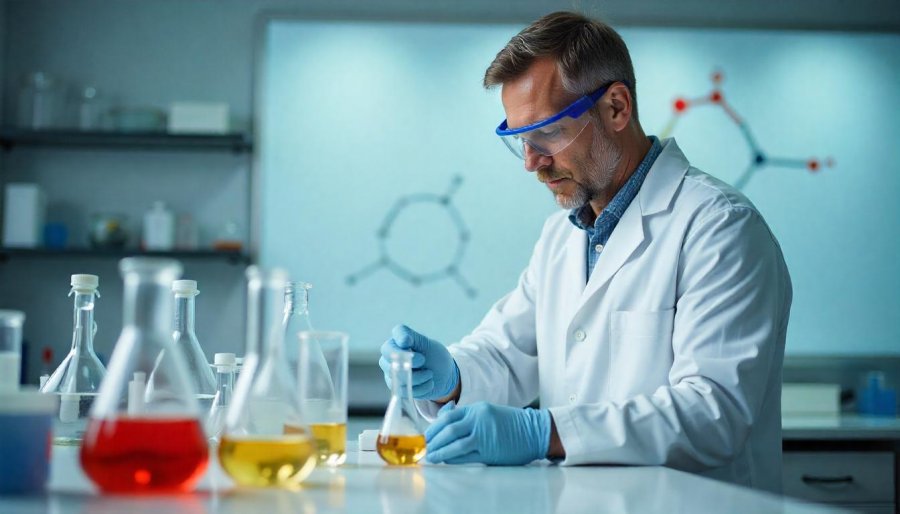
Refining crude oil involves a series of energy-intensive steps—cracking, reforming, and chemical processing—that produce various hydrocarbons and intermediates like benzene, toluene, and cyclohexanone. These chemicals are essential for creating nylon’s monomers, primarily hexamethylenediamine and adipic acid. The process to produce these monomers demands high temperatures, catalysts, and significant energy inputs. Each stage consumes vast amounts of electricity and fossil fuels, resulting in greenhouse gas emissions and chemical pollutants that affect both local environments and global climate patterns.
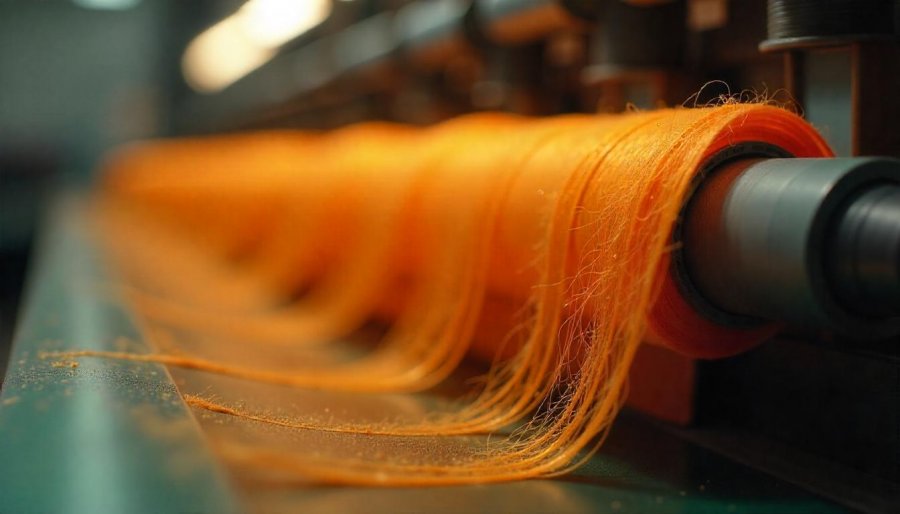
Once the monomers are synthesized, they are linked through polymerization, forming the long chains that give nylon its characteristic strength and flexibility. This process typically occurs in solution or melt form, allowing the material to be spun into fibers or molded into various shapes. The properties of the final nylon product—its resilience, elasticity, and durability—are shaped during this stage, which also requires considerable energy and releases additional emissions. From raw material to finished fiber, each step amplifies nylon’s environmental footprint through resource use and pollution.
Fossil fuels are at the heart of nylon’s production, making it a highly resource-dependent material. The extraction and transportation of oil and natural gas cause habitat destruction, water contamination, and air pollution—problems that ripple through ecosystems and threaten community health. The chemical processes involved in refining and polymerization release volatile organic compounds and hazardous gases, contributing to smog formation and acid rain. These environmental costs extend far beyond the factory walls, impacting biodiversity and human well-being alike.
This dependence on finite fossil fuels also raises sustainability concerns. As resources become scarcer and environmental regulations tighten, the cost and ecological toll of nylon production are likely to increase. The reliance on non-renewable inputs makes nylon inherently vulnerable to resource depletion and market fluctuations. Recognizing these issues has spurred interest in alternative materials—bio-based fibers and more eco-friendly manufacturing methods—that could reduce nylon’s environmental footprint and help transition toward a more sustainable textile industry.
Understanding nylon’s origins reveals a complex web of environmental costs—from resource extraction to chemical synthesis—that often go unnoticed by consumers. Its production demands immense energy, generates pollution, and depends heavily on finite fossil fuels. By becoming aware of these hidden impacts, we can better appreciate the importance of pursuing sustainable alternatives and responsible consumption. Only through such awareness can we begin to balance the undeniable utility of nylon with the urgent need to protect our planet for future generations.
The Petrochemical Roots of Nylon Production
Nylon’s journey from raw materials to the finished product begins deep within the realm of petrochemicals—fossil fuels like crude oil and natural gas that serve as the foundation for its creation. These non-renewable resources are extracted from the earth through drilling and mining, processes that often cause significant environmental disruption. Habitat destruction, groundwater contamination, and air pollution are common consequences of extraction, yet these impacts tend to receive less attention than the end product itself. Once removed from the ground, the raw oil and gas are transported to refineries where they undergo a series of complex chemical processes to become the building blocks of nylon.
Refining crude oil involves energy-intensive steps such as cracking and reforming, which break down large hydrocarbons into smaller, more useful compounds. These processes produce chemicals like benzene, toluene, cyclohexanone, and other intermediates crucial for nylon production. Creating nylon’s monomers—hexamethylenediamine and adipic acid—requires these chemicals to undergo further transformation through high-temperature reactions, often in the presence of catalysts. Each stage consumes vast quantities of energy, primarily derived from fossil fuels, resulting in greenhouse gas emissions and chemical byproducts that impact local environments and contribute to climate change.
Following monomer synthesis, these chemicals are linked via polymerization—a process that assembles long molecular chains, giving nylon its notable strength, elasticity, and durability. Typically, polymerization occurs in solution or melt form, allowing the material to be spun into fibers or molded into various shapes for textiles and industrial applications. The properties of the finished nylon—its resilience and flexibility—are heavily influenced by how these molecular chains are aligned during processing. This stage, like the earlier ones, demands significant energy input and releases additional emissions, further amplifying nylon’s environmental footprint.
Throughout these stages—from resource extraction to chemical synthesis—fossil fuels are central. The reliance on oil and natural gas makes nylon production inherently energy-intensive and environmentally costly. Extracting and transporting these fuels disturb ecosystems, pollute water supplies, and emit pollutants into the air. The chemical reactions involved in refining and polymerization release volatile organic compounds and hazardous gases, which contribute to smog formation and acid rain. These pollutants don’t stay confined to factories; they drift into surrounding communities and ecosystems, causing long-term health and environmental issues.
This dependence on finite fossil resources raises serious questions about the sustainability of nylon. As oil and gas reserves dwindle and environmental regulations tighten, the costs and ecological impacts of nylon manufacturing are only set to grow. The process’s inherent reliance on non-renewable inputs makes it vulnerable to resource depletion and market fluctuations. This awareness has propelled research into alternative approaches—such as bio-based fibers and cleaner chemical processes—that aim to reduce nylon’s environmental impact. Transitioning toward these greener solutions is increasingly seen as essential for creating a more sustainable textile industry.
Understanding nylon’s origins highlights the complex web of environmental costs embedded in its lifecycle. From the extraction of raw materials to chemical transformations, each step consumes vast amounts of energy and releases pollutants. The process’s dependency on fossil fuels ties it directly to climate change and ecosystem degradation. Recognizing this interconnectedness emphasizes the importance of innovation and responsible choices—industry shifts toward sustainable practices and consumer support for eco-friendly products. Only by addressing these foundational issues can we hope to lessen nylon’s environmental toll and move toward a more resilient future.
In the end, nylon’s petrochemical roots reveal a contradiction at the heart of modern manufacturing: a material prized for durability and versatility, yet built on a foundation of environmental strain. As awareness grows, so does the urgency to develop sustainable alternatives that break free from fossil fuel dependence. Embracing bio-based fibers, advancing recycling technologies, and adopting eco-conscious production methods are steps in the right direction. Recognizing the true cost behind nylon encourages us all—industry, consumers, and policymakers alike—to rethink how we produce and use this ubiquitous material, forging a path toward a greener, more responsible future.
Microplastics and Chemical Toxins: Nylon’s Broader Impact
When nylon fabrics are worn or washed, tiny fibers—known as microplastics—break off and enter our waterways. These microfibers are so small that they slip past water filtration systems, accumulating in oceans, lakes, and soils. Once there, they are incredibly persistent, taking hundreds of years to break down. Marine animals often mistake these fibers for food, leading to injuries, malnutrition, and sometimes death. Birds and seabirds are equally vulnerable, ingesting plastic debris that can clog their digestive systems, impair their ability to fly, or hinder their hunting capabilities. As these microplastics accumulate, they disrupt entire food webs, passing from tiny organisms to larger predators, including humans.
The impact extends beyond wildlife. Microplastics have been found in seafood such as fish, shellfish, and even seaweed, which many people consume daily. These tiny particles can carry toxic chemicals absorbed from polluted waters, raising concerns about long-term health risks. While research is ongoing, evidence suggests that microplastic exposure could contribute to inflammation, hormonal disruption, and other chronic health issues. This hidden threat underscores how nylon’s microfibers, often invisible to the naked eye, pose a significant challenge for public health.
Chemical pollutants associated with nylon also contribute to environmental and human health problems. During manufacturing and laundering, dyes, flame retardants, and finishing agents are released into wastewater. These substances often contain hazardous chemicals that enter rivers and oceans, contaminating water sources and affecting aquatic life. Once in the water, these toxins can bioaccumulate in marine organisms, eventually making their way up the food chain. For humans, consuming contaminated seafood or drinking polluted water may lead to health issues such as skin irritations, respiratory problems, or more serious conditions linked to chemical toxicity.
Nylon waste that ends up in landfills or natural environments poses a long-term challenge due to its durability. Nylon is resistant to biodegradation, meaning it can linger in ecosystems for centuries. Discarded garments, fishing gear, and industrial products fragment into microplastics, spreading pollution across ecosystems. Animals often mistake these fragments for food or become entangled, suffering injuries or death. Marine mammals, sea turtles, and seabirds are particularly at risk, with many documented cases of entanglement or ingestion leading to suffering, illness, and mortality. This persistent debris not only pollutes landscapes but also perpetuates a cycle of harm that is difficult to address.
The dependence on fossil fuels for nylon’s production intensifies these environmental issues. Extracting oil and natural gas destroys habitats, pollutes water supplies, and emits greenhouse gases—contributing to climate change. The chemical processes involved in refining and polymerizing nylon release volatile organic compounds and hazardous gases, further contaminating air and water. These emissions and pollutants impact local communities and ecosystems, compounding the environmental footprint of nylon from resource extraction to disposal. The lifecycle of nylon is thus intertwined with the broader environmental crises we face today.
Addressing these impacts requires a shift in both industry practices and consumer habits. Researchers are exploring alternatives like bio-based fibers, which decompose more quickly and reduce reliance on fossil fuels. Recycling programs are expanding, transforming used nylon into new products and diminishing waste. Advances in biodegradable plastics and eco-friendly chemical processes promise fibers that break down faster once discarded. Yet, these solutions need support through increased awareness, policy changes, and responsible consumption. Consumers play a vital role by choosing sustainable options, reducing waste, and advocating for cleaner manufacturing practices.
Understanding the broader consequences of nylon use underscores the urgency of transitioning to more sustainable materials and practices. Every stage—from production to disposal—affects ecosystems and human health in ways that are often invisible until damage occurs. Recognizing these impacts encourages a collective effort to rethink how we produce, use, and dispose of synthetic fibers. Only through responsible choices and innovative solutions can we mitigate nylon’s environmental and social toll, forging a path toward a healthier planet for future generations.