Beyond the romanticized image of Cleopatra as a seductress lies a formidable ruler whose true power stemmed from her intellect, diplomacy, and strategic brilliance. This portrayal reveals a leader deeply engaged in scholarship, fluent in multiple languages, and committed to fostering Alexandria’s status as a hub of knowledge and innovation. Her mastery of diplomacy allowed her to forge crucial alliances with Julius Caesar and Mark Antony—not out of vanity but as calculated moves to preserve Egypt’s independence amidst the expanding Roman Empire. Cleopatra’s reliance on cultural diplomacy, religious symbolism, and scientific patronage underscores her understanding that influence derives from knowledge and perception, not just military might. Recognizing her as a scholar and tactician shifts her legacy from mere myth to a legacy rooted in resilience, intelligence, and cultural mastery. Could her enduring influence be a testament to the power of the mind? This compelling reevaluation offers a new lens on her true leadership—one built on the strength of her intellect and strategic vision.
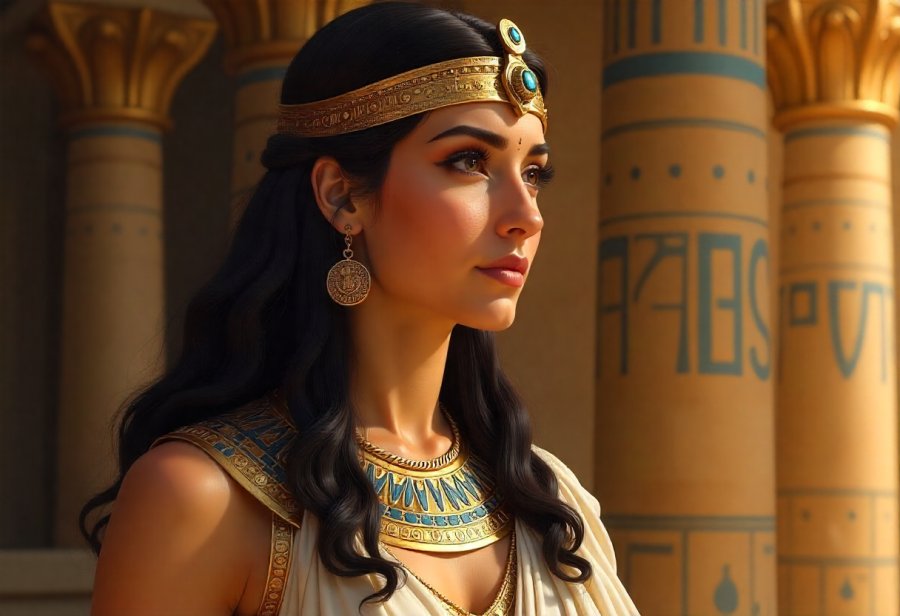
Unveiling Cleopatra VII: Beyond Beauty and Romance
Cleopatra VII is often remembered for her beauty and her romantic liaisons with powerful men like Julius Caesar and Mark Antony. But focusing solely on her looks or personal relationships misses the deeper story of her true legacy. She was a highly educated and sharp-minded leader, known for her intelligence, strategic thinking, and diplomatic skills. Her ability to govern Egypt effectively in a male-dominated world highlights her as more than just a glamorous figure—she was a genuine scholar and tactician.
Her reputation as a clever and capable ruler is supported by her efforts to preserve Egypt’s independence amid the rising power of Rome. Cleopatra didn’t rely solely on military strength; she used alliances, cultural diplomacy, and her own intellect to maintain her throne. Her multilingual abilities and her patronage of Alexandria’s scholarly community demonstrate her deep commitment to learning and cultural development. These actions reflect a leader whose influence was rooted in her mind and her ability to harness knowledge for political advantage.
Her leadership style combined pragmatism with subtlety. Cleopatra understood that perception mattered as much as power, and she mastered the art of communication across different cultures. She balanced traditional Egyptian religious authority with innovative governance, embodying both divine and political power. This blend of spiritual symbolism and political savvy helped her secure loyalty and stability within her realm. Her strategic use of religion, diplomacy, and cultural storytelling created a unifying image that resonated with her people and reinforced her authority.
Far from a mere seductress, Cleopatra’s alliances with Rome’s leaders were carefully calculated diplomatic moves. Her relationship with Julius Caesar helped her regain her throne after internal rivalries, while her partnership with Mark Antony aimed to protect Egypt’s sovereignty. These strategic choices showcase her ability to adapt and respond to shifting political landscapes with foresight and intelligence. Her true strength lay in her ability to think several steps ahead, turning complex situations into opportunities for her kingdom’s survival.
Recognized as a scholar and tactician, Cleopatra’s legacy goes beyond the romanticized myths. Her patronage of Alexandria’s library and scientific pursuits reveals a leader who valued knowledge as a vital tool for influence and stability. Her mastery of languages, her support for research, and her diplomatic finesse demonstrate that her power was rooted in her mind. Cleopatra’s true legacy is one of resilience, intelligence, and strategic brilliance—qualities that continue to inspire and redefine leadership today.
Navigating a Crossroads: Egypt’s Cultural Tapestry and Political Landscape
During Cleopatra’s reign, Egypt was a crossroads of dynamic change, shaped by a rich blend of traditions and external influences. The Ptolemaic dynasty, founded by Macedonian Greeks after Alexander the Great’s empire fractured, brought a Hellenistic ruling class that coexisted with Egypt’s ancient religious and cultural roots. This unique fusion demanded a ruler who could navigate both worlds—embracing Greek sophistication while honoring Egyptian traditions—without losing her grip on power.
Meanwhile, the broader Mediterranean landscape was rapidly shifting as Rome’s influence expanded. The rising power of Rome posed a direct threat to Egypt’s independence, forcing Cleopatra to sharpen her diplomatic skills and strategic thinking. Her ability to maintain sovereignty relied less on military conquest and more on alliances, cultural diplomacy, and her own political acumen. Alexandria, her vibrant capital, became a hub of learning and innovation, drawing scholars and thinkers from across the Mediterranean and cementing Egypt’s reputation as a place of intellectual vitality.
Cleopatra’s education reflected this diverse environment. Fluent in Greek, Egyptian, Latin, and other languages, she was prepared to communicate directly and effectively with a variety of cultures and leaders. Her studies spanned philosophy, astronomy, rhetoric, and mathematics, equipping her with the tools to understand complex political currents and craft nuanced strategies. Her early intellectual pursuits laid the foundation for her later diplomatic successes, demonstrating a leader deeply invested in knowledge as a source of power.
Internal politics added further complexity. After her father’s death, Cleopatra co-ruled with her brother Ptolemy XIII, but rivalry and intrigue quickly surfaced. Recognizing that her legitimacy depended on alliances, she employed diplomacy and strategic marriages to strengthen her position. Her alliance with Julius Caesar, forged through calculated statecraft, was pivotal in reclaiming her throne. Later, her partnership with Mark Antony was a deliberate effort to counter Roman encroachment and secure Egypt’s sovereignty amid an increasingly imperial landscape.
Religious and cultural traditions remained central to her legitimacy. Cleopatra embraced her divine status through rituals and symbolism, aligning herself with Egyptian gods to reinforce her authority. This spiritual authority, combined with her diplomatic finesse, fostered loyalty and stability among her people. Her ability to blend religious symbolism with political strategy created a unifying image—one that resonated deeply within Egypt’s cultural fabric and helped her maintain her rule during turbulent times.
Throughout her reign, Cleopatra prioritized Egypt’s cultural identity as a foundation of her legitimacy. By supporting the arts, scholarly pursuits, and scientific research, she fostered Alexandria’s reputation as a center of innovation and learning. Her patronage helped turn the city into a vibrant hub where ideas flourished, reinforcing her leadership through cultural influence rather than military might alone. This approach underscored her understanding that influence in the ancient world stemmed from knowledge, tradition, and diplomacy.
Her ability to adapt to shifting political currents and cultural realities made her a resilient leader. Whether through strategic alliances, patronage of the sciences, or religious diplomacy, Cleopatra’s leadership was rooted in a keen sense of timing and intuition. She understood that true power came from influence—shaped by culture, language, and perception—and she used these tools masterfully to safeguard Egypt’s independence.
In the end, Cleopatra’s reign was characterized by her remarkable capacity to unify complex cultural worlds and navigate turbulent political waters. Her legacy is not just one of romance or glamour, but of a ruler who knew that lasting influence depended on the mastery of cultural, intellectual, and diplomatic forces. This interplay of tradition and innovation allowed her to carve out a place in history as a leader whose strength resided in her mind and strategic vision.
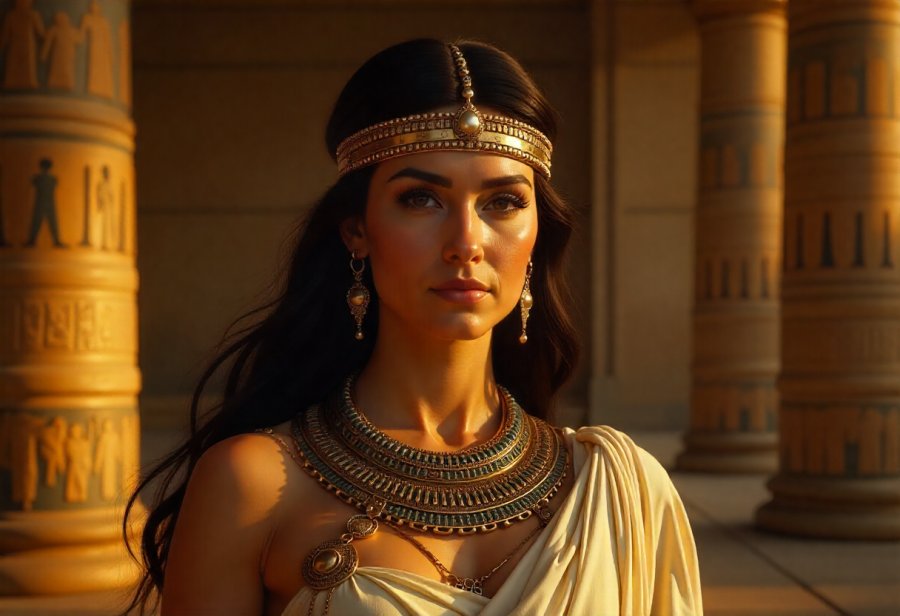
Mastering Power: Cleopatra’s Diplomatic Genius and Leadership Tactics
Cleopatra’s leadership was a masterclass in blending intelligence with cultural insight and strategic finesse. She understood early on that power in the ancient world depended as much on perception and influence as on military strength. Her diplomatic skills shone through in her relationships with Rome’s most influential figures, Julius Caesar and Mark Antony. These alliances weren’t just personal bonds—they were carefully calculated moves designed to secure her throne and Egypt’s independence amid a shifting political landscape.
Her ability to read the terrain allowed her to act with precision and adaptability. Cleopatra knew when to negotiate, when to assert herself, and how to use subtle gestures to reinforce her authority. Her multilingual talents and deep cultural knowledge enabled her to communicate directly with foreign leaders, bypassing misunderstandings and building trust. This pragmatic approach combined Egyptian religious authority with modern diplomatic tactics, creating a leadership style that was both divine and shrewd.
Statecraft was at the core of her leadership. Cleopatra employed alliances, marriages, and negotiations as vital tools to deter enemies and maintain stability. Her alliance with Julius Caesar helped her reclaim her throne after internal rebellion, showcasing her skill in leveraging diplomacy over force. Later, her partnership with Mark Antony was a strategic effort to counter Roman dominance and preserve Egypt’s sovereignty. These decisions reflected her quick thinking and her ability to adapt her tactics to changing circumstances.
Cultural intelligence further strengthened her reign. Cleopatra recognized that projecting herself as a divine monarch rooted in Egyptian traditions helped legitimize her authority. She embraced religious symbolism, performed rituals, and aligned herself with Egyptian gods to foster loyalty. This blending of spirituality and political strategy created a unifying image that resonated deeply with her people, reinforcing her legitimacy during turbulent times.
Throughout her reign, Cleopatra demonstrated resilience and foresight. She continuously adjusted her tactics based on the political currents—whether through diplomacy, strategic marriages, or patronage of arts and sciences. Her capacity to shift strategies without losing sight of her overarching goals exemplifies a leader who understood that influence, perception, and cultural resonance were the true sources of power. This dynamic approach not only secured her position but set a lasting example of leadership rooted in intelligence and strategic thinking.
The Scholar Queen: Evidence of Cleopatra’s Intellectual Prowess and Strategic Mind
Cleopatra’s reputation as a scholar and strategic thinker extends far beyond the romanticized stories often told. Evidence shows she was highly educated, fluent in multiple languages, and deeply engaged in intellectual pursuits that shaped her leadership. Her correspondence with scholars and her involvement in translating scientific texts reveal a genuine passion for knowledge, not just political expediency. She studied philosophy, astronomy, mathematics, and rhetoric, equipping herself with the tools to navigate complex diplomatic and cultural landscapes with confidence.
Her patronage of the Library of Alexandria underscores her commitment to learning and innovation. Under her support, Alexandria became a hub of scientific and philosophical discovery, attracting scholars from across the Mediterranean. Supporting translation projects and scientific research, Cleopatra fostered an environment where ideas flourished—an environment that strengthened her influence through cultural and intellectual authority. Knowledge was a strategic asset in her reign, used to bolster stability and legitimacy.
Politically, Cleopatra demonstrated remarkable acumen. Her alliances with Julius Caesar and Mark Antony weren’t merely personal relationships—they were carefully planned diplomatic strategies. Her multilingual abilities and deep cultural understanding allowed her to communicate directly with foreign leaders, avoiding misunderstandings and building trust. Her negotiation skills and ability to outmaneuver rivals through alliances and diplomacy helped her maintain her throne amid internal conflicts and external threats.
In governance, Cleopatra relied on thoughtful administrative reforms and cultural patronage. Her support for the arts and sciences enhanced Alexandria’s reputation as a center of learning, reinforcing her image as a ruler committed to knowledge and culture. These efforts fostered loyalty and legitimacy, proving that influence extended beyond military might. Her strategic use of symbolism, religious rituals, and cultural storytelling further cemented her divine authority and unified her people.
Her decisions—whether forging alliances, supporting scientific endeavors, or embracing Egyptian religious traditions—were rooted in a sharp, strategic mind. Cleopatra understood that perception mattered as much as reality, and her mastery of language, diplomacy, and symbolism allowed her to craft a resilient and adaptable leadership style. This combination of intellect and influence not only secured her reign but left a lasting legacy of leadership rooted in knowledge and strategic insight.
Far from a superficial figure of beauty or romance, Cleopatra was a pioneer of leadership based on resilience, intelligence, and cultural savvy. Her mastery of scholarship, her diplomatic finesse, and her political shrewdness created a legacy that challenges simplistic narratives. Recognizing her as a thinker and tactician transforms how we view her influence—one founded on the power of her mind and her ability to shape her world through knowledge.
Her ability to leverage education, language skills, and cultural influence was instrumental in maintaining Egypt’s independence in a turbulent era. Cleopatra’s strategic use of scientific patronage, diplomatic relationships, and religious symbolism reveals a leader who understood that true power depended on influence rooted in knowledge. Her legacy endures as a testament to the strength of intellect and the importance of strategic thinking in leadership.
Ultimately, Cleopatra’s story is a reminder that leadership can be rooted in the pursuit of wisdom as much as in military or political might. Her brilliant mind, her cultural insight, and her ability to adapt to shifting circumstances made her a formidable ruler—one whose influence was secured not just by external appearances, but by the depth of her intellect and strategic vision. Her legacy continues to inspire, illustrating that true power often resides in the mind.
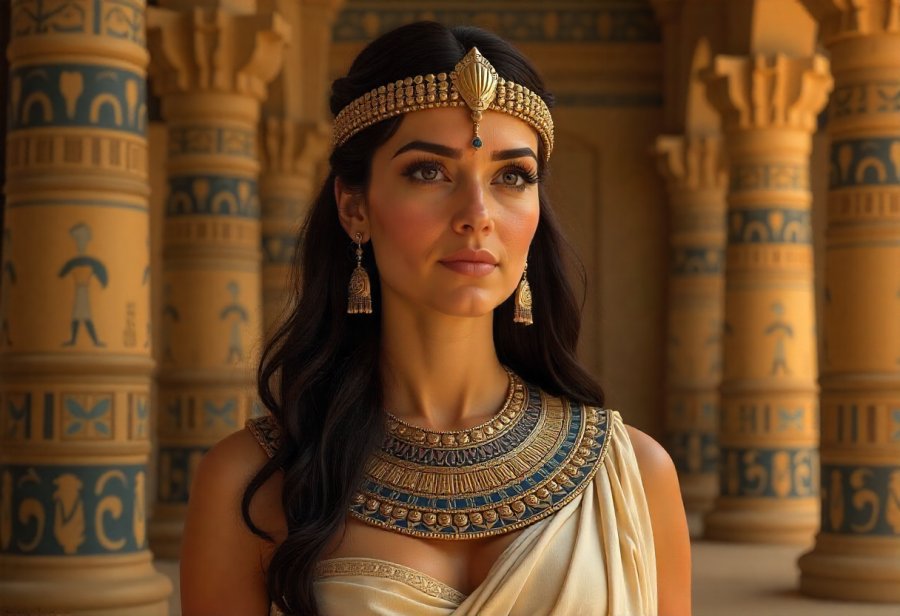
Redefining Her Legacy: Embracing Cleopatra’s True Influence and Enduring Wisdom
Reevaluating Cleopatra’s legacy shifts the focus from her romanticized image to her true strength as a leader rooted in intellect and diplomacy. As scholarship uncovers her scholarly pursuits, multilingual abilities, and strategic mind, a clearer picture emerges: she was a ruler who understood that influence derives from knowledge as much as from power. Recognizing this allows us to see her contributions in a new light—less as a figure of myth and more as a pioneer of cultural and political resilience.
Future research will deepen our understanding of her scholarly achievements, from her translation projects to her patronage of Alexandria’s institutions. These efforts reveal a leader who prioritized knowledge as a means of maintaining influence and sovereignty. Her diplomatic finesse—her mastery of language, symbolism, and storytelling—demonstrates how she turned complex political situations into opportunities for Egypt’s survival, emphasizing her strategic brilliance.
Viewing her alliances with Julius Caesar and Mark Antony as calculated moves rather than mere personal relationships shifts the narrative. Her ability to adapt tactics and leverage cultural and diplomatic tools in shifting circumstances underscores her resilience. This perspective highlights her long-term vision: a leader who used intelligence, cultural insight, and strategic patience to safeguard her kingdom amid growing imperial pressure.
Her role as a patron of arts, sciences, and religious traditions underscores her understanding that influence extends beyond military might. Supporting Alexandria’s intellectual hub, promoting scientific research, and embracing Egyptian religious symbolism helped reinforce her legitimacy and loyalty among her people. These actions demonstrate that her power was rooted in fostering a vibrant cultural identity—an asset that strengthened her reign from within.
As perceptions evolve, Cleopatra’s story becomes less about romance or glamour and more about strategic brilliance and intellectual resilience. Her mastery of multiple languages, her support for scientific progress, and her diplomatic agility serve as enduring lessons in leadership. Her legacy reminds us that influence built on knowledge, adaptability, and cultural understanding can leave a lasting mark far beyond her time.
This reframed perspective elevates her from a mythic figure to a symbol of how intelligence and strategic insight shape a leader’s enduring influence. Cleopatra’s ability to navigate turbulent political waters with wit, wisdom, and cultural savvy offers timeless lessons—showing that true power resides in the mind. Her legacy continues to inspire, emphasizing that leadership rooted in knowledge can transcend the ages.