Transforming Toronto yards into stunning outdoor retreats requires a delicate balance of beauty, sustainability, and client satisfaction. How can homeowners and designers create vibrant, year-round landscapes that withstand Toronto’s seasonal extremes while supporting eco-friendly practices? This guide reveals that thoughtful planning—considering native plants, climate-specific materials, and sustainable features—turns ordinary yards into resilient sanctuaries. Collaboration, clear communication, and attention to detail during installation ensure each project reflects the homeowner’s vision and endures over time. As technology and eco-conscious trends shape the future, landscapes are evolving into smarter, greener spaces that foster connection with nature and enhance daily life. With innovative solutions like urban rooftop gardens and integrated smart systems, Toronto’s outdoor environments are poised to become more functional, inspiring, and environmentally responsible. Are you ready to discover the secrets behind creating outdoor spaces that captivate, endure, and deepen our connection to nature?
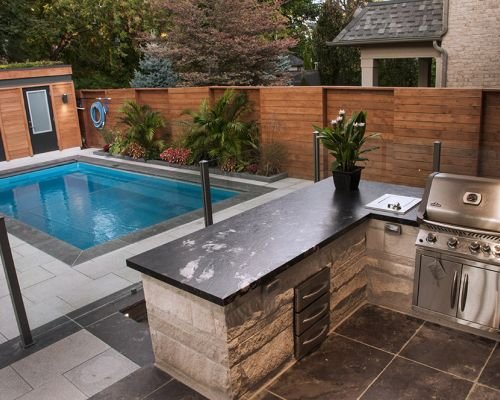
Transforming Toronto Yards: Creating Year-Round Outdoor Retreats
In Toronto, outdoor spaces have become more than just backyard fillers—they’re vital extensions of our homes and daily lives. With the city’s four distinct seasons, designing yards that look good and function well year-round requires thoughtful planning. It’s about creating outdoor environments that are both beautiful and practical, capable of weathering Toronto’s cold winters and humid summers. A well-designed yard can turn a simple patch of land into a personal retreat, a lively gathering spot, or a peaceful sanctuary, all while supporting eco-friendly practices.
Toronto’s climate heavily influences landscape choices. Native plants, which are naturally adapted to local conditions, thrive with less water and maintenance. Incorporating these species into designs not only ensures resilience but also reduces environmental impact. Understanding soil quality, sunlight exposure, and drainage patterns helps designers craft landscapes that flourish across seasons, making outdoor spaces both attractive and durable. This approach transforms yards into sustainable retreats that can be enjoyed throughout the year.
Every homeowner envisions their outdoor space differently. Some dream of lush, colorful gardens, while others prefer sleek, low-maintenance patios. Listening carefully to these individual preferences from the outset helps shape a design that feels personal and functional. Engaging clients in decisions about plantings, materials, and layout fosters trust and ensures the final result aligns with their lifestyle and aesthetic goals. A collaborative process turns the landscape into a true reflection of its owner’s personality.
Creating successful outdoor transformations also involves balancing environmental responsibility with visual appeal. Using native plants, eco-friendly materials, and sustainable features like permeable paving or recycled elements supports long-term health of the landscape. These choices make the yard easier to maintain, more resilient, and better suited to Toronto’s seasonal challenges. When sustainability guides every step, homeowners gain outdoor spaces that are not only stunning but also eco-conscious and built to last.
As outdoor spaces grow in importance, Toronto homeowners and designers are increasingly focused on creating environments that are inviting, functional, and environmentally sound. Thoughtful planning, a good understanding of local conditions, and eco-friendly practices turn ordinary yards into personalized retreats. The result is outdoor environments that enrich daily life, provide year-round enjoyment, and connect us more deeply with nature—even in the heart of the city.
Core Principles of Landscape Design: Achieving Harmony, Balance, and Sustainability
Effective landscape design hinges on a few core principles that turn an ordinary yard into a balanced and inviting outdoor space. Harmony is central to this, achieved by selecting plants, materials, and features that complement each other and blend naturally with the surrounding environment. When everything works together visually, the space feels intentional and calming, avoiding the cluttered or chaotic look that can result from mismatched elements. Achieving harmony also involves matching the scale of features—pathways, plant beds, or furniture—to the size of the yard, ensuring no element feels out of place or overwhelming.
Proportion and scale are equally vital. Every element, from a cozy fire pit to a delicate flower border, should be appropriately sized for the space. Overly large features in a small yard can make the area feel cramped, while tiny details can get lost in a larger setting. Finding that balance allows each piece to stand out without overpowering the overall design, creating a sense of order that guides the eye naturally through the landscape.
Focal points serve as visual anchors that add personality and depth to the outdoor environment. Whether it’s a striking sculpture, a vibrant flower bed, or a water feature, these elements draw attention and create a sense of interest. When positioned thoughtfully, focal points help guide visitors through the space and foster a feeling of discovery, transforming the yard from a simple garden into a personalized retreat.
Design elements like pathways, borders, and lighting aren’t just functional—they shape the overall experience of the outdoor space. Well-designed pathways naturally direct movement and help prevent foot traffic from damaging plants, while borders define different zones, giving structure and clarity. Thoughtful lighting enhances safety and creates ambiance, highlighting focal points and making the yard inviting after dark. When integrated carefully, these features contribute to a cohesive environment that feels both welcoming and practical.
Sustainability is now a key part of modern landscape principles. Using native plants reduces water and maintenance needs while supporting local ecosystems. Incorporating permeable surfaces allows rainwater to soak in naturally, helping to prevent erosion and recharge groundwater. Efficient irrigation systems conserve resources and ensure plants remain healthy without excess waste. Embedding these sustainable practices into the design results in landscapes that are resilient, easier to care for, and aligned with environmental goals.
Finally, a successful landscape balances beauty with function. Practical considerations like ease of maintenance, durability, and adaptability are crucial. Thoughtful plant groupings, durable materials, and strategic placement of features ensure the yard remains attractive year after year with minimal effort. By integrating sustainable practices and focusing on user experience, landscape design creates outdoor spaces that are not only visually appealing but also resilient and environmentally responsible. This balance transforms a simple yard into an outdoor sanctuary that enhances daily living while respecting the planet.
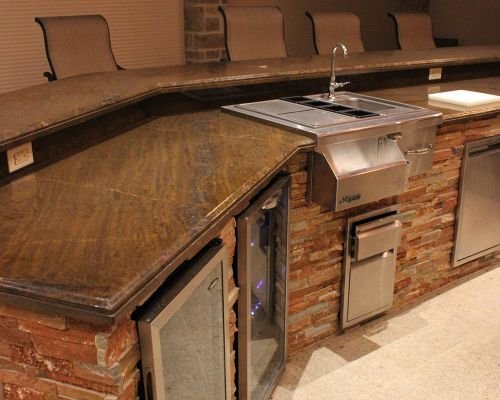
Practical Strategies for Successful Yard Makeovers in Toronto
Designing a successful yard transformation in Toronto begins with a thorough assessment of the site’s unique conditions. Checking soil quality, sunlight exposure, drainage patterns, and existing features lays the groundwork for a realistic plan. Addressing these factors early on helps identify potential challenges and opportunities, ensuring that plant selections and materials will perform well across seasons. This proactive approach reduces surprises during installation and sets the stage for a resilient, functional landscape.
Clear communication with clients from the start is essential. Understanding how they intend to use their outdoor space—whether for entertaining, gardening, relaxing, or play—guides the entire design process. When homeowners share their priorities and aesthetic preferences, it becomes easier to tailor a plan that aligns with their lifestyle. Keeping clients involved in material choices and key decisions fosters trust and satisfaction, turning the project into a collaborative effort.
Incorporating native plants and climate-appropriate materials makes a significant difference. Native species thrive naturally in Toronto’s climate, requiring less water and maintenance, which cuts costs and environmental impact. Sustainable options like permeable pavers and recycled features add durability and visual interest while supporting eco-friendly goals. These choices create landscapes that are both resilient and easier to care for over time, making long-term maintenance simpler and more sustainable.
During installation, close collaboration among designers, contractors, and homeowners keeps the project on track. Regular site visits and updates allow for adjustments based on real-time conditions, such as soil issues or weather delays. Staying flexible and maintaining open communication prevent setbacks and ensure the finished yard matches the original vision. This teamwork makes the process smoother and more efficient, producing a landscape that truly reflects the client’s desires.
Prioritizing sustainability alongside aesthetic appeal requires attention to detail at every stage. Thoughtful plant groupings, eco-friendly materials, and efficient irrigation systems all contribute to a landscape that’s both beautiful and resilient. Integrating these practices from the start ensures the yard withstands Toronto’s seasonal extremes and remains environmentally responsible, reducing ongoing effort and resource use.
Planning for future maintenance is equally important. Selecting low-maintenance plants and durable features minimizes ongoing effort, while educating homeowners on seasonal care routines helps keep the landscape vibrant. A design that considers long-term upkeep guarantees the yard remains a welcoming retreat year after year, without becoming a burden. This foresight extends the life and beauty of the outdoor space, making it a true extension of the home.
By balancing creative vision with practical steps, designers can turn ambitious ideas into reality. Thoughtful planning, sustainable choices, and clear communication are key to delivering a landscape that meets both client expectations and environmental goals. When each phase is managed with care, the result is a beautiful, functional yard that enhances daily living and endures Toronto’s seasonal shifts.
Turning Ideas into Reality: Applying Landscape Design Principles in the Field
Turning a landscape design concept into a finished outdoor space requires careful execution and attention to detail. The process begins with thorough site preparation—assessing soil conditions, drainage, and existing features—to lay a solid foundation. Addressing these elements early helps prevent issues down the line and ensures that plants and structures will perform as intended. Proper grading, soil amendments, and clearing set the stage for healthy plant growth and durable features like patios and walkways.
Choosing the right materials and plants is essential for long-term success. Native plants suited to Toronto’s climate thrive with minimal water and maintenance, making them a smart, eco-friendly choice. Pairing these with sustainable materials such as permeable pavers or recycled elements not only supports environmental goals but also enhances durability. These thoughtful choices create landscapes that are resilient, beautiful, and easier to care for, even through Toronto’s seasonal shifts.
Collaboration among designers, contractors, and homeowners keeps the project moving smoothly. Regular site visits and updates allow for real-time adjustments—whether it’s soil conditions or weather delays—preventing setbacks and ensuring the finished yard aligns with the initial vision. Maintaining open communication builds trust, making the process more efficient and enjoyable for everyone involved.
Clear and ongoing communication with clients is crucial throughout installation. Sharing progress, explaining design choices, and listening to feedback foster a sense of shared ownership. When homeowners are involved in the process, they feel more connected to their outdoor space, which increases satisfaction with the final result. This collaborative approach transforms a technical project into a personal journey, resulting in a landscape that genuinely reflects their lifestyle and aesthetic preferences.
Attention to detail during installation elevates the overall quality of the landscape. Strategic placement of lighting, thoughtful pathways, and well-considered plant groupings create a cohesive environment that guides movement and highlights key features. These elements not only enhance visual appeal but also improve functionality, inviting exploration and enjoyment. Proper execution of these details turns a well-designed plan into an inviting outdoor sanctuary that’s ready to be enjoyed year-round.
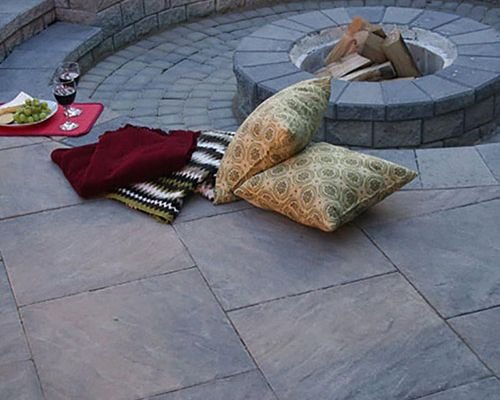
Shaping the Future of Toronto Yard Landscaping: Trends, Technologies, and Eco-Friendly Innovations
The future of Toronto yard landscaping is set to be shaped by innovative technologies, sustainability, and changing homeowner priorities. Smart systems, like automated irrigation and lighting controls, are becoming more prevalent, making it easier for residents to manage their outdoor spaces effortlessly. These tools not only add convenience but also help reduce water and energy consumption, aligning with broader environmental goals.
Eco-friendly materials and construction techniques will continue to gain popularity. Recycled composites, permeable pavers, and green roofing options are increasingly used to create resilient landscapes that withstand Toronto’s seasonal extremes. As climate resilience becomes a priority, designers are integrating these sustainable features to minimize ecological footprints while enhancing durability and visual appeal.
Biophilic design, which emphasizes deepening our connection to nature, is on the rise. Homeowners seek outdoor retreats that offer tranquility and a sense of escape from urban life. Incorporating native plants, living walls, and natural water features not only supports local ecosystems but also creates calming, restorative environments that promote mental well-being.
Urbanization challenges will push designers to maximize small or constrained spaces with creative solutions like rooftop gardens, vertical planting, and compact outdoor setups. These innovations optimize every inch, turning limited yards into functional, inviting retreats. They also contribute to urban biodiversity and improve air quality, making outdoor spaces more sustainable and health-enhancing.
The integration of technology and sustainability will demand ongoing learning from industry professionals. Staying current with emerging trends, new products, and innovative techniques through industry events and digital resources will be essential. Embracing these developments ensures Toronto landscapes remain modern, environmentally responsible, and tailored to the evolving needs of homeowners.
Looking ahead, outdoor spaces will become smarter, greener, and more personalized. Homeowners will increasingly expect landscapes that are not only visually stunning but also resilient and eco-conscious. By adopting these trends early, designers can craft yards that stand the test of time, supporting both human well-being and environmental health.
These advancements will transform outdoor environments into true extensions of the home—spaces that foster relaxation, social connection, and sustainability. They will also help address broader urban challenges, such as climate change and resource conservation, through innovative design solutions that are both functional and inspiring.
In this evolving landscape, the focus remains on creating outdoor retreats that enhance daily life while respecting the planet. Toronto yards of the future will be a blend of technology, sustainability, and artistry—spaces that reflect a commitment to quality, resilience, and environmental stewardship for years to come.