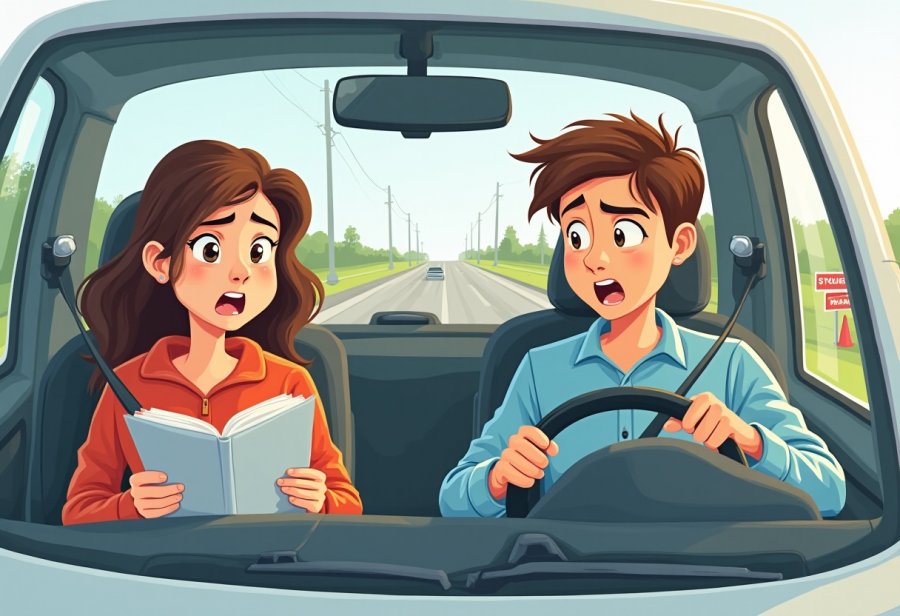
Learning to ride a bike is more than just acquiring a skill; it embodies courage, independence, and the bonds of family. From shaky starts to triumphant rides, each wobble and fall becomes a vital lesson in resilience and perseverance. This milestone fosters confidence not only in physical ability but also in facing life’s challenges. Cultural perspectives reveal that bikes symbolize freedom and social progress worldwide, with modern methods emphasizing safety, fun, and personalized support through innovative techniques like balance bikes and community programs. Beyond physical development, cycling promotes independence, environmental consciousness, and social connection, shaping well-rounded individuals prepared for future hurdles. As technology advances and infrastructure improves, the future promises more inclusive, engaging ways to learn, ensuring every child can experience the joy and empowerment of riding. But how will these innovations keep cycling accessible for all, fostering a lifelong passion rooted in resilience and shared joy?
Turning Wobbles into Wins: The Emotional Journey of Learning to Ride
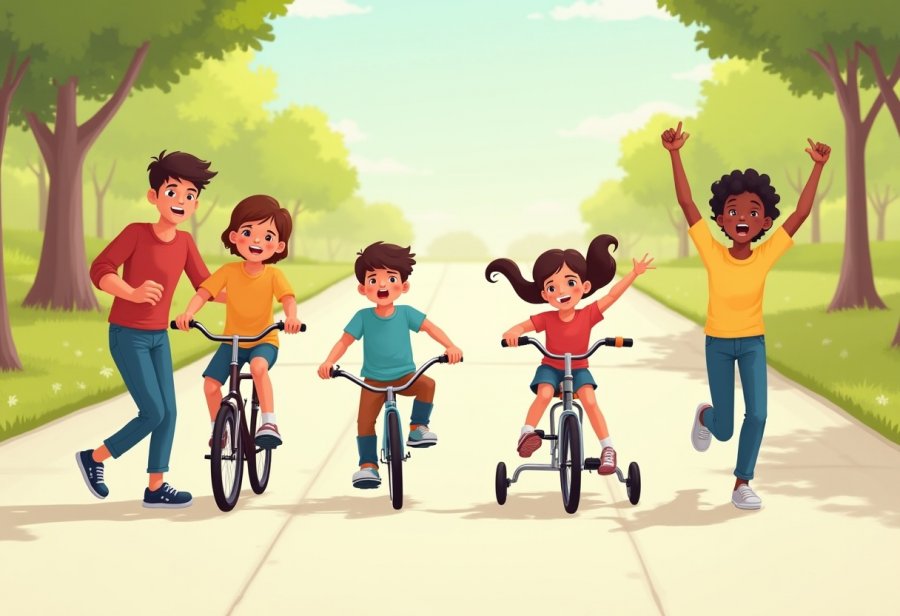
Learning to ride a bike is more than just picking up a new skill; it’s a milestone packed with emotion and meaning. For many kids, those first shaky attempts on two wheels become memorable moments of bravery, independence, and family connection. Watching a child wobble, fall, and then get back up is a powerful reminder that growth often comes with a few tumbles along the way. It’s in these small struggles that resilience begins to take root, shaping a mindset that values perseverance and effort.
These early rides aren’t only about mastering balance or pedaling—they symbolize overcoming fears and building confidence. When children push past their initial hesitation, they learn that falling doesn’t mean failure, but a step toward success. Support from family members, whether through steadying hands or encouraging words, turns a challenging activity into a shared triumph. These moments of collective effort create bonds that last well beyond the bike itself.
Family involvement transforms the learning process into a bonding experience. Parents jogging beside their kids, siblings cheering from the sidelines, or grandparents offering gentle guidance—all of these acts of support turn riding into a celebration of growth and trust. Kids feel safer and more motivated when they know their loved ones are watching and rooting for them. Those shared moments of encouragement lay the groundwork for confidence that can extend into other areas of life.
Learning to ride a bike isn’t just about physical skills; it’s about nurturing a sense of independence and adventure. As children gain control and start to navigate their surroundings on two wheels, they begin to see themselves as capable and resilient. Each successful ride reinforces their belief that they can face new challenges with courage. This feeling of autonomy and mastery becomes a foundation for tackling future obstacles, both big and small.
Ultimately, teaching a child to ride a bike is about more than mobility—it’s about creating memories rooted in perseverance, support, and shared joy. Every fall, every push, and every triumphant pedal stroke becomes part of a larger story of growth. These moments foster not only riding skills but also vital life lessons about resilience and connection, shaping confident, independent children ready to explore the world around them.
From Wheels to Wonders: The Cultural Roots and Global Stories of Cycling Milestones
The story of learning to ride a bike extends far beyond individual achievements; it is woven into the cultural fabric of societies worldwide. Bicycles have long symbolized independence, progress, and freedom. When they first became affordable in the late 19th century, bikes transformed childhood experiences and social mobility, especially in Western countries. Mastering how to ride was more than just a skill—it was a rite of passage, a marker of growing autonomy and exploration.
Across different cultures, bikes serve diverse roles. In rural communities, they often act as vital tools for daily chores—connecting children to schools, markets, and social gatherings. Learning to ride in such settings symbolizes resilience and the desire to improve one’s circumstances, embodying hope for a better future. In contrast, in Western societies, bicycles came to represent youthful adventure and independence, celebrated in stories, movies, and family traditions. The first successful ride often marks a child’s transition into a new world of freedom and self-reliance.
In many European countries and Japan, cycling is deeply embedded in community life. Children are introduced to riding at a young age, often with a sense of pride rooted in cultural expectations. Schools and local governments actively promote cycling safety, recognizing bikes as essential for fostering independence and environmental consciousness from an early age. These efforts highlight how learning to ride is intertwined with social participation, health, and sustainability, making it a shared milestone across generations.
Over time, teaching methods have evolved alongside shifting cultural values. Formal lessons with training wheels once dominated, emphasizing discipline and repetition. Today, many communities favor playful, experience-based approaches—using balance bikes and outdoor exploration—that encourage children to learn through fun rather than rigid routines. This change reflects a broader understanding that confidence and joy are crucial to developing a lifelong love of cycling.
Historically, bicycles have also symbolized social change and empowerment. During early feminist movements, bikes challenged traditional gender roles, representing independence and resistance. Learning to ride became an act of empowerment for women, breaking societal barriers and expanding opportunities. These stories remind us that cycling is not only about mobility but also about resilience, resistance, and social progress.
Cultural narratives continue to evolve, emphasizing community, sustainability, and health. As urban areas develop bike-friendly infrastructure and educational programs, learning to ride remains a universal milestone. It connects past and present, rooted in stories of overcoming fear and embracing freedom, transcending borders and socio-economic divides. The journey from hesitant wobbling to confident riding reflects broader societal values of perseverance, innovation, and shared progress.
Understanding these cultural perspectives reveals how learning to ride a bike is more than a childhood skill; it is a symbol of resilience, independence, and community. It highlights our collective history of growth and adaptation, showing how a simple activity can carry profound social significance across generations and cultures.
Pedal Power Unleashed: Modern Innovations Transforming How Children Learn to Ride
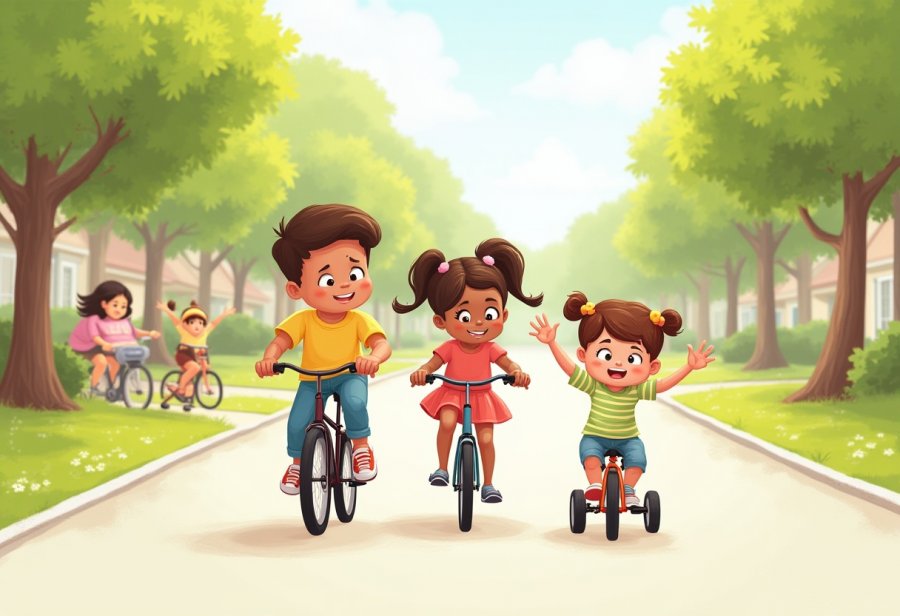
Today’s approach to teaching kids how to ride bikes has become more innovative and tailored to their individual needs. Instead of relying solely on traditional methods, many programs now introduce balance bikes—pedal-less bikes that help children focus on steering and balancing before tackling pedals. This approach allows kids to develop core skills more quickly, making the transition to a regular bike smoother and less intimidating. When children master balancing first, they often gain confidence faster and find the process more enjoyable.
Safety gear has become a crucial part of learning to ride. Lightweight helmets, knee pads, and elbow pads are now standard, giving children the freedom to practice without fear of injury. This safety-first mindset encourages persistence, even during challenging moments. Tools like training wheels and stabilizers also support early success, helping kids experience independence sooner and reducing frustration for both children and parents.
The environment where children learn has shifted toward more playful and relaxed settings. Parks, quiet streets, and open spaces provide ideal spots for practicing at their own pace. Removing rigid routines and emphasizing outdoor exploration turn riding into an adventure rather than a chore. When children associate cycling with fun, they’re more likely to stay motivated and develop a lifelong love for biking.
Cultural influences shape modern teaching methods as well. Many communities now favor group lessons and community programs where children learn alongside peers, fostering social skills like cooperation and patience. Others prefer parent-led sessions, which allow for customization based on each child’s comfort level. Using visual demonstrations and positive encouragement, instructors and parents create a supportive atmosphere that builds confidence and enjoyment in learning to ride.
Technological advances are also making a difference. Interactive apps and virtual simulations help kids practice balance and coordination safely indoors before heading outdoors. These tools can ease anxiety and boost motivation, serving as valuable supplements to real-world riding. While they don’t replace outdoor practice, they prepare children psychologically and physically, making outdoor riding less daunting.
Overall, today’s methods focus on safety, fun, and personalized support. Combining innovative equipment, engaging environments, and new technologies, parents and educators help children overcome fears and develop cycling skills with greater confidence. This approach recognizes that learning to ride should be an enjoyable journey—one that nurtures independence, resilience, and a lifelong passion for biking.
Beyond the Bike: Practical Life Skills and Benefits Gained from Cycling Beginnings
Learning to ride a bike offers more than just a new skill; it opens doors to a variety of practical benefits that shape daily life. When children develop their balancing and pedaling abilities, they enhance motor skills like coordination and spatial awareness, which serve as a foundation for other physical activities and overall health. This early physical literacy encourages a more active lifestyle that can extend well into adulthood, promoting lifelong wellness.
Beyond physical development, cycling fosters independence and confidence. When kids learn how to navigate their neighborhoods or school routes on two wheels, they gain a sense of control over their environment. This self-reliance encourages them to take on new challenges, whether in academics, sports, or social settings. Riding teaches problem-solving—managing different terrains, traffic, or obstacles—skills that translate into resilience and adaptability in everyday situations.
Cycling also strengthens family bonds and social connections. Sharing rides, exploring new routes, or participating in community events creates memorable moments rooted in cooperation and encouragement. These experiences help children develop social skills like patience, sharing, and teamwork, which are essential as they grow. Being part of a cycling community fosters a sense of belonging and motivates ongoing engagement with active lifestyles.
Environmental awareness is another significant benefit. Kids who learn to ride early typically see biking as a practical, eco-friendly way to get around. Choosing pedal power over cars reduces emissions, contributes to cleaner air, and promotes sustainability. Instilling this mindset from a young age encourages environmentally conscious habits that can influence family practices and community culture, supporting a healthier planet.
Cycling can also make daily routines more efficient and cost-effective. Biking to school, parks, or errands saves time and money while decreasing traffic congestion. It promotes integrating physical activity naturally into everyday life, making movement a seamless part of routines. As children discover that movement is enjoyable and practical, they are more likely to carry these habits into adulthood, fostering a balanced, active lifestyle.
Finally, learning to ride a bike lays a foundation for resilience and perseverance. Overcoming fears of falling, mastering balance, and navigating new environments teach children persistence and self-trust. These qualities extend beyond cycling, empowering them to face challenges with confidence and optimism. In this way, riding a bike becomes a symbol of personal growth—an everyday activity with lifelong implications.
Cycling into the Future: Embracing Innovation, Inclusivity, and Sustainability in Bike Education
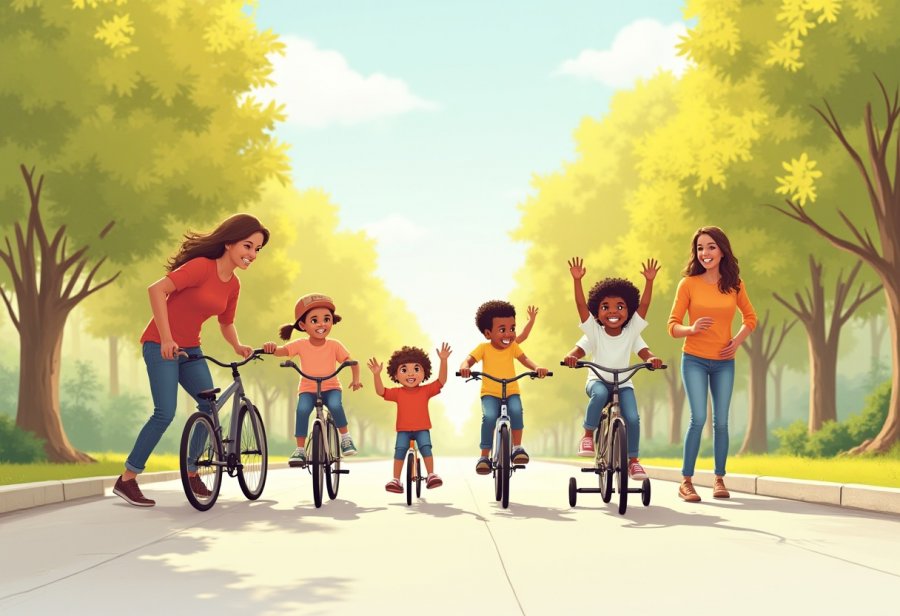
Looking ahead, the future of learning to ride a bike is poised to become more engaging, inclusive, and technologically advanced. Innovations like smart helmets, interactive training apps, and virtual reality simulations promise to personalize and enhance the learning experience, making it safer and more enjoyable for children. These tools can help build confidence before children even set foot outside, reducing anxiety and providing risk-free practice environments. As research into childhood development and safety continues, teaching methods will evolve to better accommodate different ages and learning styles, ensuring every child has the opportunity to experience the joy of riding.
Advances in equipment and infrastructure will also shape how children learn to ride. Adaptive bikes and supportive training aids are becoming more accessible, helping kids overcome specific challenges more effectively. Cities and communities are increasingly investing in bike-friendly spaces—such as protected lanes and dedicated parks—that encourage regular riding. These developments make cycling a natural, integrated part of childhood, fostering independence and a sense of adventure from an early age.
Educational policies and community programs are expanding their focus on cycling safety and skills development. Schools and local governments are organizing bike safety workshops, group rides, and community events that normalize riding and inspire lifelong enthusiasm. Integrating cycling into broader health and sustainability initiatives can deepen children’s understanding of environmental impact and personal wellness, cultivating responsible, active citizens who value eco-friendly transportation options.
Beyond practical skills, the future of bike education will likely emphasize fostering a deeper connection to the environment. As urban planning prioritizes bike infrastructure, children will grow up appreciating active transportation as a sustainable and healthy choice. This mindset can inspire lifelong habits that support greener communities and healthier cities, making cycling not just a childhood milestone but a lifelong commitment to resilience and ecological responsibility.
However, as these innovations unfold, questions of accessibility and equity remain vital. How can we ensure that technological advancements and improved infrastructure reach children from all backgrounds? What strategies will support those with additional needs or apprehensions about riding? Addressing these challenges is crucial to making cycling a truly inclusive activity, allowing every child to enjoy the independence, confidence, and joy that come with learning to ride.
Building on past successes and embracing new ideas will keep the journey of teaching children to ride aligned with the core values of patience, support, and resilience. By fostering a supportive environment and leveraging technological progress, we can ensure that cycling remains a joyful, empowering activity for generations to come. The foundation laid by previous generations, rooted in encouragement and perseverance, will be strengthened through ongoing innovation, helping children discover the freedom and confidence that a simple bike ride can bring.