Learning to drive marks a profound transition from nervousness to confidence, especially for teens stepping into independence. This rite of passage is filled with emotional highs and lows—sweaty palms, hesitant maneuvers, and the intimidating challenge of mastering roads—yet it also offers invaluable growth in resilience and self-trust. As teens navigate their first drives amidst evolving safety regulations and technological innovations like driver-assist systems, the journey is becoming safer and more supported. Will future advancements, such as virtual simulators and AI coaching, further ease the internal struggles and foster even greater confidence? The ongoing shift toward responsible, informed driving emphasizes that building confidence is a continuous process—one that involves patience, supportive practice, and embracing both mistakes and successes. As society increasingly prioritizes safety and education, the road ahead promises to transform nervous beginners into proficient, responsible drivers equipped for the complexities of modern traffic.
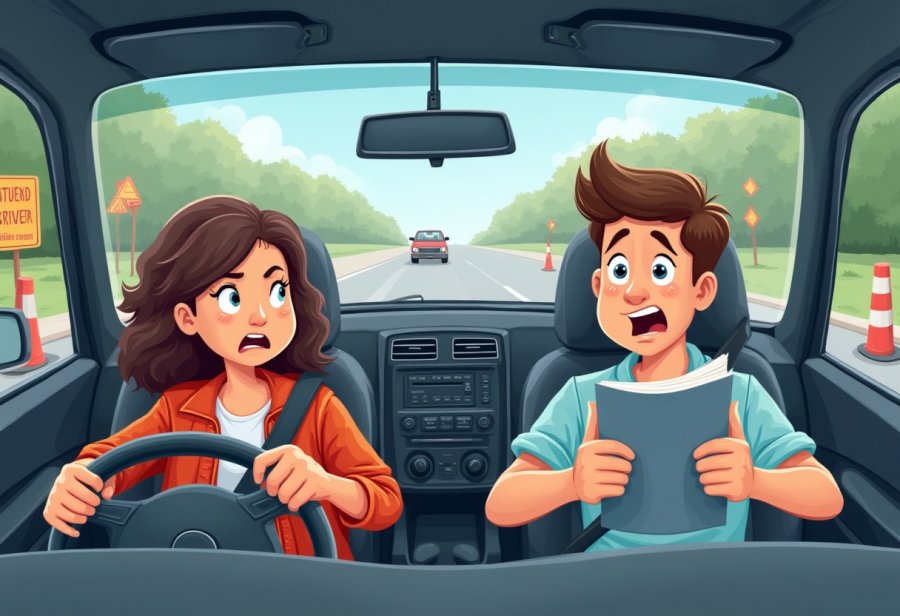
Teen Driving Milestones: From Nervous Starts to Confidence
Learning to drive is a milestone that marks more than just the ability to operate a vehicle; it’s a pivotal moment in a teen’s journey toward independence. For many young drivers, sitting behind the wheel symbolizes a step into adulthood—an achievement that brings a sense of pride and accomplishment. Yet, alongside that excitement often comes a mix of nerves and uncertainty. The initial experience can feel overwhelming, with new responsibilities and the unpredictable nature of the road adding to the pressure.
This transition isn’t solely about mastering steering or braking; it deeply influences a teen’s confidence and self-image. As they navigate their first roads, their successes—whether smoothly merging onto a highway or parking without fuss—serve as small victories that gradually build trust in their abilities. These moments of achievement are vital for transforming feelings of doubt into a belief that they can handle more complex driving situations.
However, the emotional side of learning to drive can be just as significant as the technical skills. Many teens struggle with anxiety, fearing mistakes or the potential dangers of traffic. Recognizing these feelings is essential, because they often influence how confidently a teen approaches driving. The key is providing support and encouragement, helping them see errors as part of the learning process rather than signs of failure.
As teens gain experience through practice, their confidence naturally grows. Repeated exposure to different environments—quiet residential streets, busy city centers, or rainy weather—helps them adapt and develop resilience. Each successful outing reinforces their sense of control and independence, turning initial nerves into a quiet assurance that they are becoming capable drivers.
This emotional growth extends beyond the road itself. Learning to drive is also about discovering their capacity for responsibility, decision-making, and self-reliance. It’s a process of building resilience, patience, and trust in themselves, which can positively influence other areas of their lives. The journey from nervous beginner to confident driver is a vital part of their overall development, shaping how they navigate the world with greater independence.
Evolving Attitudes and Laws Shaping Teen Drivers Through Time
Over the decades, society’s view of teen driving has undergone significant change. In earlier generations, getting behind the wheel was seen as a clear sign of reaching adulthood—a rite of passage that symbolized independence and maturity. During that time, laws were often minimal, focusing mainly on age restrictions rather than maturity or experience. Cars represented freedom, and teens were encouraged to start driving early, often with little formal guidance, which reinforced the idea that driving was a natural step into independence.
As car ownership increased and traffic volumes grew, concerns about safety came to the forefront. The rise in accidents involving young drivers prompted policymakers to rethink how teens should be introduced to driving. This led to the development of graduated licensing systems, which aim to ease teens into full driving privileges gradually. These programs typically restrict nighttime driving, limit the number of young passengers, and ban cellphone use—restrictions that are lifted as teens demonstrate responsibility. The goal is to give teens time to build confidence in a safer, more controlled environment.
Cultural attitudes toward teen drivers also shifted alongside these regulatory changes. Today, there’s a much stronger emphasis on safety and responsible behavior. Distracted driving, especially due to smartphones, has heightened awareness of the risks involved. Parents, educators, and lawmakers now recognize that teens need proper guidance and education to navigate these challenges. More comprehensive driver education programs, awareness campaigns, and stricter laws reflect this shift, highlighting that driving is a privilege rooted in responsibility rather than just youthful rebellion.
The way driving is portrayed in media has also evolved. Films and social platforms often depict driving as glamorous or rebellious, shaping how teens perceive their independence behind the wheel. While the allure of freedom remains strong, there’s a growing understanding that driving is a serious responsibility. Teens are encouraged to see their first license not just as a ticket to fun but as a sign of trustworthiness and maturity. This cultural shift promotes responsible attitudes, emphasizing that safety and accountability are vital parts of growing up.
These changes are part of a broader societal effort to prioritize safety over carefree independence. Regulations now stress gradual skill development, with more emphasis on supervised practice and ongoing education. The focus has moved from rushing teens into driving to preparing them thoroughly for the road ahead. This evolution in attitudes and laws aims to produce not only confident drivers but also responsible ones, better equipped to handle the complexities and risks of modern traffic environments.

Modern Practices and Innovations in Teen Driver Training
Today’s approach to teen driving combines structured education, supervised practice, and graduated licensing systems designed to ensure safety while fostering confidence. Most regions require teens to complete a driver’s education course that covers essential topics like traffic laws, safe driving habits, and handling different road conditions. These courses aim to give teens a solid foundation by blending classroom instruction with practical skills, helping them transition smoothly from learning to actual driving.
Once they finish the coursework, teens typically log supervised driving hours with a licensed adult. This step helps them gain experience in various environments, from quiet neighborhoods to busy city streets. These practice sessions are crucial for translating classroom knowledge into real-world skills, allowing teens to develop confidence gradually and safely. Many programs include specific milestones—such as mastering parallel parking or highway merging—to measure progress and motivate continued improvement.
Graduated licensing programs are now standard, gradually easing restrictions as teens gain more experience. These restrictions often include limits on nighttime driving, passenger numbers, and cellphone use, all aimed at reducing risks during the early stages of independence. As teens demonstrate responsibility, restrictions are lifted incrementally, giving them more freedom and opportunities to build confidence on their own terms.
Modern driver training emphasizes risk awareness and defensive driving techniques. Teens learn to anticipate hazards, react appropriately, and develop good judgment. Advanced safety features like backup cameras, lane departure warnings, and collision avoidance systems are integrated into the learning process, helping teens feel more secure and competent behind the wheel of today’s vehicles. Educators focus on teaching how to use these tools effectively, reinforcing that technology is a support, not a substitute, for attentive driving.
Technology plays an increasingly important role in today’s training. Apps that log practice hours, track progress, and provide feedback help reinforce good habits and identify areas for improvement. Virtual simulators and online modules expose teens to challenging scenarios—such as bad weather or emergency braking—without real-world risks. These tools make practice more engaging and accessible, helping to reduce anxiety and foster confidence before teens hit the road.
Responsibility and mental preparedness are at the core of current practices. Programs often include discussions about distracted driving, impaired driving, and maintaining focus. Parents are encouraged to stay involved, practicing with their teens and setting clear expectations. Using digital logs or driving apps helps reinforce good habits and provides ongoing feedback, further solidifying their confidence and sense of responsibility. Overall, these practices aim to create well-rounded, confident drivers ready to navigate the complexities of modern roads safely.
Practical Techniques to Cultivate Teen Confidence Behind the Wheel
Building confidence in teen drivers relies on consistent, practical practice that gradually expands their comfort zone. Encouraging teens to get behind the wheel regularly—whether in rain, at night, or in heavy traffic—helps them adapt to the unpredictable nature of real roads. These varied experiences are essential for developing the skills and resilience needed to handle different driving conditions with ease. Setting small, achievable goals, like perfecting parallel parking or merging onto a highway, provides quick wins that boost confidence and motivate continued progress.
Positive reinforcement plays a crucial role in this process. Instead of emphasizing mistakes, focus on celebrating what teens do well. Recognizing and praising small successes, such as navigating a tricky turn smoothly or remaining calm in challenging situations, reinforces good habits and reduces anxiety. When teens feel supported and appreciated, they’re more willing to practice and push through their nerves, transforming driving from a source of stress into a source of pride.
Technology can significantly enhance confidence-building efforts. Driving apps that log practice hours, track progress, and offer constructive feedback motivate teens to practice intentionally. Virtual simulators and online modules expose them to scenarios like bad weather or emergency braking in a risk-free environment. These tools help develop muscle memory and decision-making skills, making real-world driving less intimidating and more manageable.
Sharing stories of peers who overcame similar fears can inspire teens. Hearing how others faced initial nerves and gradually gained mastery reminds them that feeling anxious is normal and manageable. These stories serve as motivation, illustrating that confidence is built through persistent effort rather than innate ability. When teens see examples of others who started out just as nervous, they’re more likely to believe they can succeed too.
Patience remains key. Building confidence takes time, and setbacks are part of the journey. Parents and instructors should emphasize that mistakes are learning opportunities and that progress isn’t always linear. An encouraging attitude helps teens stay focused on their growth rather than dwelling on errors, fostering resilience that will serve them well on and off the road.
Creating a supportive environment makes a big difference. Practicing on less busy roads or in good weather conditions helps teens feel more in control and comfortable. As they gain experience and trust, they can gradually move to more challenging scenarios. Consistent practice combined with encouragement and the right tools transforms nerves into confidence, helping teens trust their abilities and develop safe driving habits.
Fostering confidence isn’t about rushing the process but about steady, deliberate effort. Through consistent practice, positive reinforcement, and supportive feedback, teens learn to manage their nerves and develop a mindset rooted in capability. This approach not only makes them safer drivers but also helps them carry that confidence into other areas of their lives, preparing them for future challenges with resilience and self-trust.
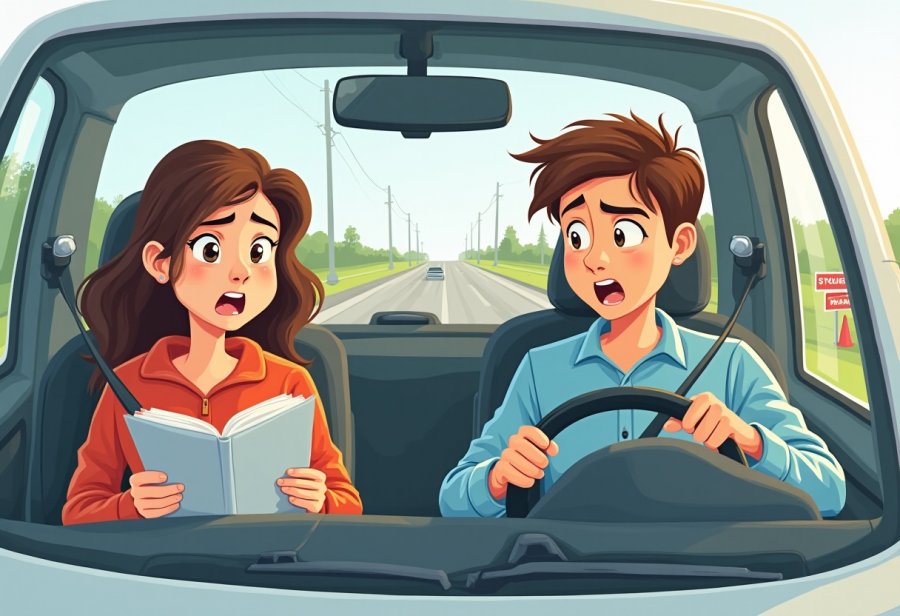
The Future of Teen Driving Confidence: Technology, Policies, and Progress
Looking ahead, the future of teen driving confidence is poised to change dramatically with ongoing advancements in vehicle technology and evolving policies. Modern safety features like automatic emergency braking, lane-keeping assist, and adaptive cruise control are becoming standard, providing young drivers with extra support and reducing their anxiety. These innovations help teens feel more secure, allowing them to focus on developing their skills without the constant fear of making a serious mistake. As these tools become more widespread, they are expected to make learning to drive safer and more encouraging for teens stepping into independence.
At the same time, licensing regulations are becoming smarter and more data-driven. Many regions are experimenting with extended graduated licensing systems that incorporate telematics and real-time monitoring. These tools allow for tailored restrictions and personalized feedback, helping teens build confidence gradually while minimizing risky behaviors like nighttime or distracted driving. Such policies aim to strike a balance between granting freedom and ensuring safety, giving teens more opportunities to practice responsibly as they grow more comfortable behind the wheel.
Innovations in driver training are also set to reshape the learning process. Virtual reality simulators and AI-powered coaching platforms offer immersive, risk-free environments where teens can experience challenging scenarios—such as bad weather, sudden hazards, or emergency maneuvers. These experiences build muscle memory and decision-making skills before they hit the road, reducing nerves and boosting confidence. As these technologies become more accessible, they will likely become a staple in driver education, making practice more engaging and effective.
Understanding how to responsibly use advanced vehicle features will be crucial for the next generation of drivers. Education programs are evolving to teach teens how to balance automation with good judgment, preventing overreliance on technology. This shift encourages a mindset of partnership with their cars, fostering confidence rooted in understanding rather than complacency. Preparing teens to navigate a more automated and connected driving environment ensures they develop both skills and responsibility.
Culturally, the perception of teen driving is shifting from rebellion to responsibility. There’s a greater emphasis on ongoing education, mental preparedness, and responsible habits rather than just initial licensing. Digital tools, online modules, and refresher courses support lifelong learning, helping teens stay confident as they accumulate miles and experience. This continuous approach recognizes that building confidence is an ongoing process, not a one-time achievement, and prepares teens to handle the complexities of modern traffic with resilience.
Overall, the road ahead promises a safer, smarter environment for young drivers. Technology and policy innovations aim to empower teens, making the journey from nervous beginner to confident driver smoother and more supported. As safety features become integral to every vehicle and educational tools become more advanced, teens will be better equipped to face future driving challenges. This evolution reflects a collective effort to foster responsible independence, ensuring that confidence behind the wheel grows alongside technological progress and societal understanding.