What if the greatest obstacle to learning to swim isn’t water itself but the courage to take that first step? This inspiring journey reveals how overcoming fears at any age can unlock a world of confidence, safety, and joy. From nervous beginners clutching floaties to adults conquering long-held anxieties, the path to water confidence is paved with patience, foundational skills, and mental strategies like visualization and positive self-talk. With practical tips on mastering body positioning, breathing, and safety, the guide emphasizes that progress, not perfection, is the goal. It also explores the profound benefits beyond safety—enhanced fitness, mental well-being, and social opportunities—making water an ally rather than a source of fear. Looking ahead, technological innovations promise to make learning more accessible and personalized, opening the door for everyone to experience water’s freedom. Could the future be brighter for those ready to dive in? Absolutely.
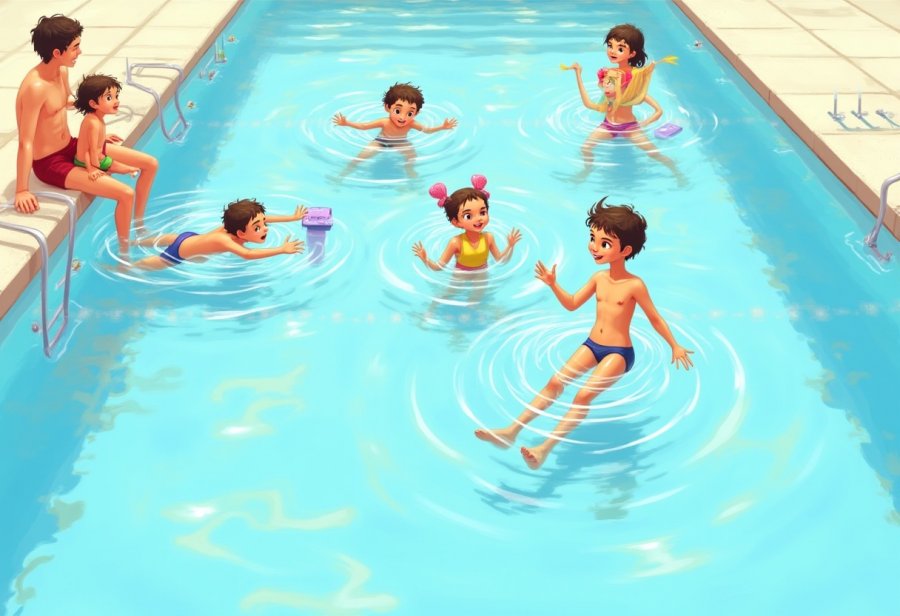
Transform Fears into Confidence: Your Water Journey Begins
Learning to swim is about more than just picking up a new skill; it’s a journey that can reshape how you see water—and yourself. For many, water can be intimidating, especially if past experiences or fears have created hesitation. But taking that first step into the pool often sparks a transformation—turning anxiety into confidence. Whether you’re a child just starting or an adult finally facing a long-held fear, swimming opens doors to safety, joy, and a sense of accomplishment.
This process isn’t about perfecting every stroke overnight. It’s about gradually building trust in your abilities and feeling comfortable in the water. The nerves or doubts that surface at the beginning are completely normal. Every small success—like floating, taking a breath underwater, or wading into deeper water—adds to your confidence and helps lessen fears. Over time, these moments become the building blocks of a lifelong sense of mastery and security.
Often, fears about water come from stories, childhood memories, or unfamiliarity. Recognizing and accepting these feelings is key to overcoming them. Approaching water with patience and a focus on safety allows you to work through barriers at your own pace. Using support tools, practicing in shallow areas, and enrolling in beginner classes can make the journey smoother and more manageable. Each step forward, no matter how small, reinforces your trust and paves the way for a more confident water relationship.
Remember, it’s never too late to learn to swim. Age doesn’t matter when it comes to gaining new skills, and the human body can adapt at any stage of life. Starting with shallow water, taking lessons, or practicing with supportive equipment can make all the difference. Every effort, no matter how modest, contributes to a water-safe, confident you—turning fear into freedom and opening up a world of possibilities.
Building water confidence is a gradual process rooted in patience and persistence. It begins with simple acts—getting comfortable in shallow water, practicing breathing techniques, and familiarizing yourself with water’s sensations. As your comfort grows, so does your ability to float, kick, and eventually swim independently. Each small achievement strengthens your trust and reshapes your relationship with water, laying the foundation for a lifelong journey of safety and enjoyment.
Master the Essentials: Foundations and Techniques for Safe Swimming
Developing strong foundational skills is essential for swimming safely and building confidence in the water. Core techniques such as body positioning, breathing, and basic propulsion form the building blocks of effective swimming. When you learn to maintain good posture—keeping your body aligned and relaxed—you move more efficiently, conserve energy, and reduce fatigue, making swimming feel smoother and less intimidating.
Rhythmic breathing is another vital skill. Learning to breathe steadily during strokes helps you stay calm and prevents panic during more sustained efforts. Practicing breath control early on allows you to focus on your technique without feeling overwhelmed, which boosts confidence and enjoyment. Using tools like kickboards or floatation devices can support your progress by isolating specific movements, helping you master each element separately before combining them into full strokes.
Getting comfortable with entering and exiting the pool safely is as important as swimming itself. Using steps or ladders reduces the risk of slips and injuries. Staying within shallow areas during initial practice sessions provides a sense of security, allowing you to focus on technique without fear of deep water. Support tools, such as floatation belts or noodles, offer stability and reassurance as you work on your strokes and breathing.
Proper instruction is key to rapid and safe learning. Working with qualified teachers ensures you adopt good habits early, avoiding the development of bad techniques that are harder to correct later. Clear, step-by-step guidance helps you develop muscle memory, making movements feel natural over time. When safety is prioritized from the start, your fears diminish, and your confidence in the water grows steadily.
Safety should always be at the forefront. Always swim in supervised environments and avoid deep water until you feel fully confident. Using floatation aids provides an extra layer of security, allowing you to focus on technique rather than worry. Maintaining awareness of your surroundings, entering water carefully, and never swimming alone establish a safe foundation for learning and growth.
Overcoming water anxiety begins with a mindset shift. Breaking skills into small, manageable steps prevents overwhelm and creates opportunities for quick wins. Celebrate each success, whether it’s floating a few seconds longer or perfecting a breathing rhythm. These small victories reinforce your progress and motivate continued effort, making the journey toward water confidence feel achievable and rewarding.
Consistency and patience are your best allies. Progress varies from person to person, and setbacks are normal. Practicing regularly in familiar, relaxed environments builds familiarity and reduces anxiety. Remember, mastering these basics isn’t just about learning to swim; it’s about creating a solid base for a lifelong, safe relationship with water.
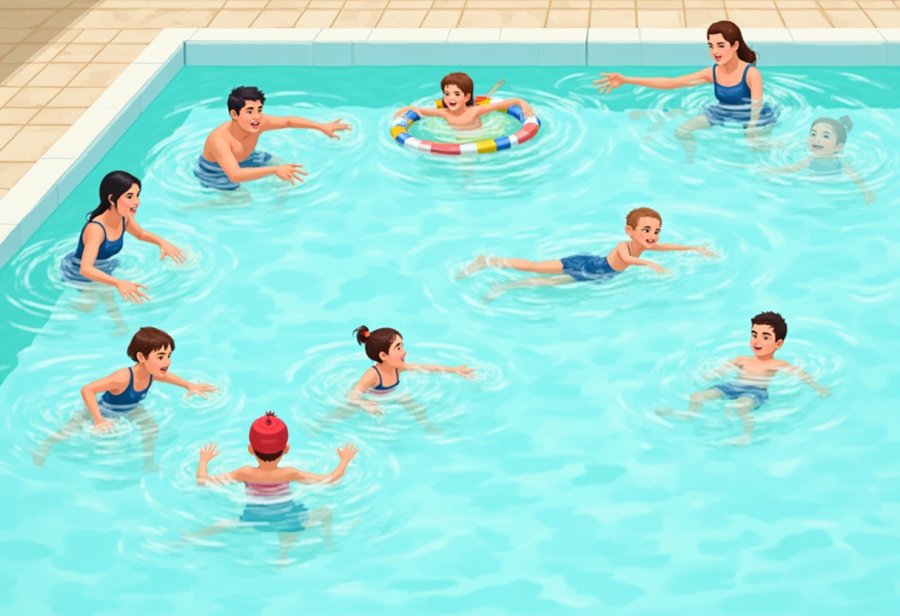
Mental Strategies: Building Confidence and Overcoming Water Anxiety
Building confidence in water often hinges on the mental strategies you bring to your practice. Visualization is a simple yet powerful tool—taking a moment to picture yourself floating effortlessly or swimming confidently can calm nerves and make the actual experience feel more familiar. When you mentally rehearse success, you’re more likely to stay relaxed and focused, which is crucial for overcoming fears and building competence.
Positive self-talk is equally important. Instead of dwelling on what might go wrong, remind yourself of your progress and small victories. Celebrating each step, whether it’s floating a few seconds longer or mastering a breath control technique, reinforces your sense of capability. Shifting your mindset from doubt to encouragement creates resilience and makes each practice session less intimidating.
Breaking down complex skills into smaller, manageable goals can significantly boost motivation. Instead of aiming to perfect an entire stroke immediately, focus on mastering one element at a time—like breathing, floating, or kicking. These mini achievements foster a sense of control and create a series of wins that keep you moving forward, making the learning curve feel less steep and more achievable.
Support from instructors, friends, or family plays a vital role in your success. Encouragement and positive feedback create a safe environment for trying new techniques and pushing past discomfort. Knowing someone is there to cheer you on reduces anxiety and reinforces your belief that you can succeed. Sometimes, a reassuring word or shared smile can be all it takes to boost your confidence and motivate you to keep going.
Patience and persistence are the backbone of progress. Learning to swim isn’t a race, and setbacks are natural. Rushing or comparing yourself to others can hinder your growth, so focus instead on consistent effort and small improvements. Practicing regularly in a calm, familiar environment helps reinforce positive feelings and reduces anxiety, making it easier to stay relaxed and open to learning. Over time, these mental approaches turn water from a source of fear into a space of safety and enjoyment.
Finally, celebrating your progress—no matter how small—cements your confidence and keeps your water confidence journey moving forward. Each new skill mastered, each fear faced, builds a stronger foundation for lifelong safety and enjoyment in the water. With the right mindset and mental strategies, overcoming swimming anxiety becomes not just possible but also rewarding, transforming your relationship with water into one of trust, freedom, and confidence.
Practical Benefits: Enhancing Safety, Fitness, and Daily Life
Learning to swim offers practical benefits that extend far beyond simply moving efficiently through the water. One of the most vital advantages is enhanced water safety. When you know how to swim, you gain the confidence to handle unexpected situations—whether it’s a rip current at the beach, falling into a lake, or encountering a pool that’s deeper than anticipated. This skill not only keeps you safe but also prepares you to assist others in emergencies, creating a safer environment for everyone around you.
Beyond safety, swimming is an excellent form of exercise that benefits your overall health. It’s gentle on joints while providing a comprehensive workout that engages the whole body. Regular swimming boosts cardiovascular health, builds muscle tone, and increases flexibility—all while remaining enjoyable and low-impact. This makes it an accessible and sustainable fitness option at any age, helping you stay active and healthy without the strain of high-impact activities.
Developing water confidence also influences your daily life in meaningful ways. Overcoming fears and gaining new skills in the water significantly boost self-esteem and reduce anxiety, encouraging more social participation in water-related activities. Whether it’s joining a recreational swim, playing with children, or enjoying a day at the beach, this newfound confidence makes water a space of joy rather than fear. It’s empowering to be comfortable navigating water environments, even in everyday scenarios like crossing shallow streams or playing in the pool.
The mental health benefits of learning to swim are equally compelling. The rhythmic movement and calming presence of water create an ideal setting for stress relief. Many swimmers report feeling more relaxed, focused, and happier after a session. As your skills improve, the sense of mastery fosters resilience and positivity that can spill over into other parts of life. Water becomes not just a place for recreation but a tool for mental well-being and emotional balance.
Another key benefit is the social and recreational opportunities that open up once you have water skills. Whether it’s joining local swim clubs, participating in community water events, or simply enjoying quality time with family and friends in the pool, swimming fosters connection and shared experiences. For children, early swimming lessons build discipline, teamwork, and confidence—traits that last a lifetime and enrich everyday interactions.
Finally, learning to swim can inspire a lifelong commitment to safety, fitness, and fun. It transforms water from a source of fear into a space of trust, adventure, and personal growth. The confidence gained through swimming not only enhances your ability to enjoy water activities but also empowers you to face other challenges with resilience and calmness. In this way, the practical benefits of swimming extend into many aspects of daily life, making it a truly valuable skill for a lifetime.
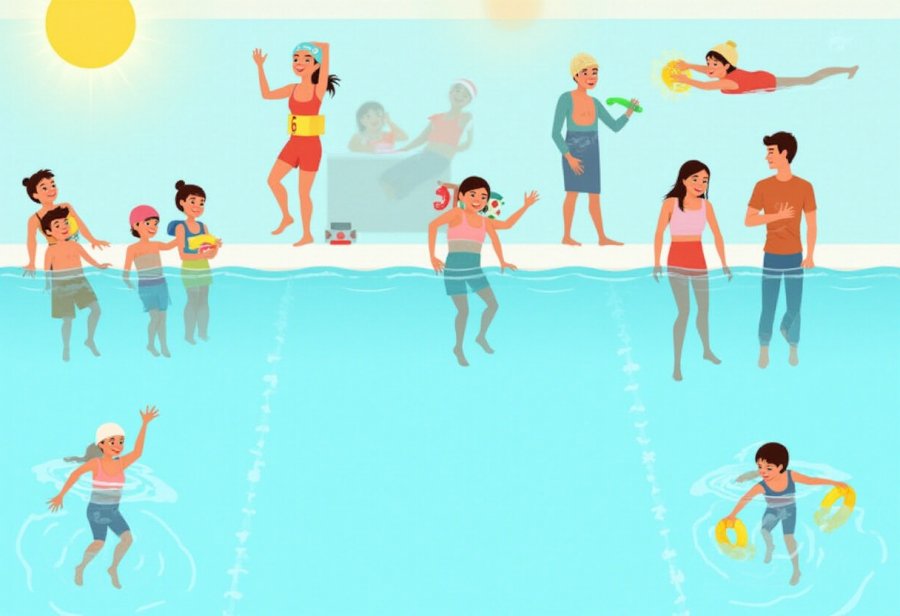
Looking Ahead: Innovations and the Future of Water Confidence
The future of water confidence looks promising, driven by innovative technologies and evolving teaching methods that are making learning to swim more accessible and effective. Virtual reality, for instance, is beginning to create immersive environments where beginners can practice strokes and safety skills without stepping into the water. This approach helps reduce anxiety, especially for those who find water intimidating, and makes the learning process feel less overwhelming.
Personalized learning is also gaining momentum, with adaptive programs that use data and artificial intelligence to tailor lessons to individual comfort levels and paces. Instead of a one-size-fits-all approach, learners now receive guidance designed specifically for their needs, which accelerates progress and keeps frustration at bay. This customization makes water confidence attainable for people of all ages and backgrounds, transforming what might seem like a challenge into a manageable journey.
Wearable technology is another game-changer. Waterproof devices and smart goggles can now provide real-time feedback on technique, breathing, and body position. These tools help learners correct mistakes instantly, making practice sessions more engaging and effective. Immediate insights not only boost confidence but also encourage consistent effort, turning practice into a motivating experience rather than a daunting task.
Inclusivity and accessibility are also at the forefront of water confidence advancements. Initiatives aimed at reaching underserved communities and individuals with disabilities are expanding, helping break down barriers that previously limited access to water safety skills. These efforts emphasize that everyone deserves the chance to learn and thrive in water, regardless of background or physical ability.
Online resources, tutorials, and virtual platforms continue to make quality instruction more widely available. Whether a beginner needs a quick refresher or someone wants to refine their technique, accessible digital content ensures that learning remains flexible and fitting into busy schedules. This ease of access encourages regular practice, which is key to overcoming fears and building lasting water confidence.
As these innovations develop, the focus remains on making swimming a lifelong, inclusive skill. The goal is to turn water from a source of fear into a space of trust, joy, and personal growth. With each technological leap, more people will find the motivation and support needed to take that first courageous step into the water—and to keep moving forward.
Ultimately, the ongoing progress in swim education and technology promises a future where water confidence is within everyone’s reach, regardless of age or experience. These advancements serve not just to teach strokes but to foster a sense of safety, independence, and resilience. As swimming becomes more accessible, it will continue to be a vital skill that enriches lives, promotes well-being, and encourages a lifelong relationship with water.