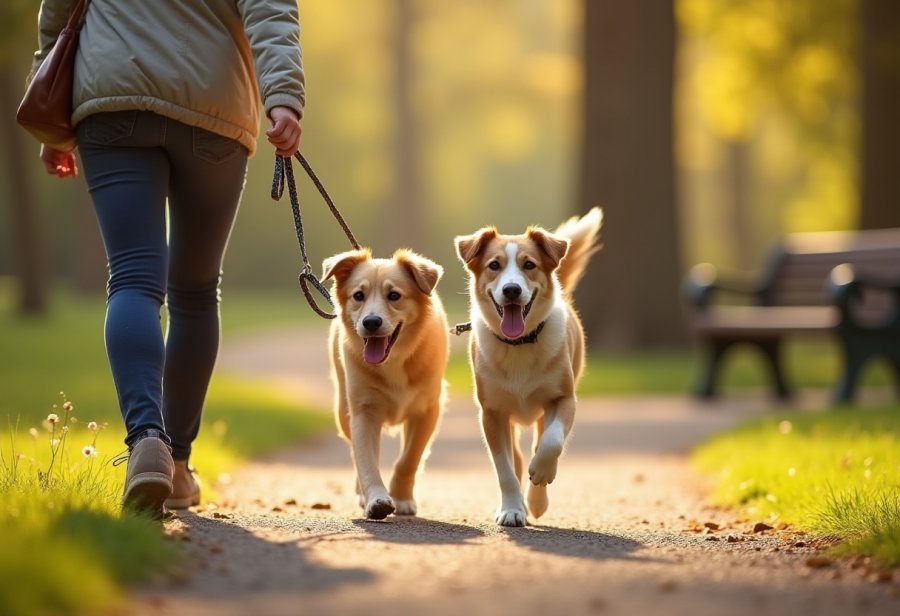
Mastering the art of calm leash walking with your dog is more than just good manners—it’s a pathway to deeper trust, communication, and shared joy. But why does this simple activity often feel so challenging? From pulling and distractions to environmental triggers, many obstacles can hinder progress. This guide reveals that success hinges on patience, consistency, and understanding your dog’s unique personality traits. Incorporating positive reinforcement, proper equipment, and gradual exposure, you can transform daily walks into peaceful bonding moments instead of stressful chores. Are you prepared to turn chaotic outings into confident, calm adventures that strengthen your bond? With practical techniques, tailored strategies, and a focus on trust, this approach offers a rewarding journey toward relaxed, enjoyable walks—where both owner and pet thrive in harmony.
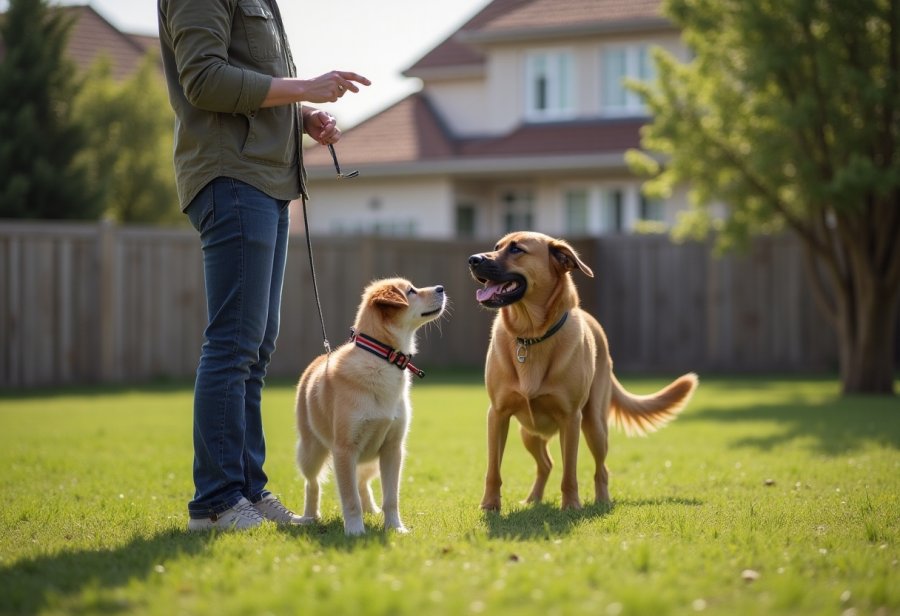
Discover the Power of Calm Dog Walking to Strengthen Your Bond
Walking calmly with your dog might seem straightforward, but it’s actually one of the most valuable skills a pet owner can develop. A peaceful walk isn’t just about good manners; it’s about building trust, improving communication, and making the experience enjoyable for both of you. When your dog learns to walk calmly at your side, it reduces pulling, minimizes stress, and transforms a routine activity into a shared moment of connection.
Calm leash walking plays a vital role in training because it lays the foundation for mutual understanding. When your dog can walk politely beside you, it enhances safety and helps prevent behavioral issues like lunging or distraction. These walks become opportunities for positive reinforcement, where your dog learns that staying focused and calm leads to rewards. Over time, this routine deepens your bond, turning daily outings into meaningful experiences instead of sources of frustration.
The goal here is to share practical, easy-to-follow techniques that help dogs master calm leash manners. Consistent routines, clear cues, and patience are essential. When you focus on these principles, you’ll find that both your dog’s confidence and your enjoyment of walks grow. The benefits extend beyond obedience—calm leash walking fosters trust and makes outings something both of you look forward to rather than a stressful chore.
This guide will explore the core elements of achieving calmness on walks. We’ll start with the importance of positive reinforcement and consistency, then move into leash handling, command training, and trust-building. Addressing common challenges like pulling and distractions, we’ll offer simple strategies to turn everyday walks into peaceful, bonding moments. Mastering these basics sets the stage for a more relaxed, rewarding walking experience for you and your dog.
Building a Solid Foundation: Principles Behind Effective Dog Training
Effective dog walking training is built on key principles that set the stage for lasting success. Central to this is positive reinforcement. Instead of punishing unwanted behaviors, rewarding good ones encourages your dog to repeat them. Treats, praise, or gentle petting create strong associations, making it clear which actions earn rewards. When reinforcement is consistent, your dog quickly learns that calm, focused walking leads to positive outcomes.
Consistency is equally vital. Dogs thrive on routines and clear expectations. Using the same commands and following familiar routines help your dog understand what’s expected, reducing anxiety and confusion. Predictable patterns build trust and make training more straightforward. Patience also matters—dogs learn at different speeds, and staying calm and persistent helps them develop confidence and self-control without feeling overwhelmed.
The science behind training emphasizes trust and clear communication. Dogs respond best when they feel safe and understood, not controlled through dominance or fear. Reward-based methods foster respect and make training enjoyable. When your dog trusts you, they’re more receptive to cues and less prone to distraction or anxiety, creating a solid foundation for calm leash walking.
Modern training techniques, like clicker training, reinforce desired behaviors precisely. Tools such as front-clip harnesses help manage pulling comfortably and effectively. These approaches promote a positive environment where trust and cooperation flourish, making calm leash walking a natural part of your routine.
By embracing these core principles—positive reinforcement, consistency, patience, and trust—you lay a strong foundation for success. These ideas, backed by research and experience, show that dogs learn best when they feel safe and understood. Turning training into a partnership transforms walks from stressful chores into peaceful, bonding moments of shared achievement.
Understanding Key Factors That Influence Calm Walking Success
Achieving calmness during walks depends on understanding the core elements that drive successful training. Proper leash handling starts with a relaxed grip; holding the leash loosely but confidently signals calmness and encourages your dog to stay focused rather than tense or pull. When your grip is steady yet gentle, it communicates control without creating tension, helping your dog feel secure and less inclined to react. Clear, consistent cues like “heel” or “easy” reinforce the behavior you want, guiding your dog’s attention back to you and reducing distractions.
Reinforcement plays a crucial role in shaping calm behavior. Immediate rewards—whether treats, praise, or gentle petting—strengthen the connection between good conduct and positive outcomes. Addressing common issues like pulling or distraction involves understanding what triggers your dog’s reactions. Gradually exposing your dog to these triggers in controlled environments and rewarding calm responses builds confidence and self-control over time.
Every dog’s personality influences its response to training. Some are more reactive or easily distracted, requiring tailored approaches. Recognizing these traits allows you to adjust your techniques—whether by modifying your pace, environment, or reinforcement style. Patience and consistency are key; slow progress is normal, and setbacks are part of the process. Using management tools like long lines or head halters can help manage reactive behaviors safely while reinforcing calmness.
Environmental triggers such as busy streets or unfamiliar places can challenge your dog’s composure. Gradual exposure, combined with management tools and positive reinforcement, helps your dog adapt and feel more secure. Short, frequent training sessions prevent overwhelm and foster steady improvement. By understanding and addressing these interconnected factors, you create a stable foundation that transforms walks from stressful outings into peaceful, bonding moments rooted in trust and mutual respect.
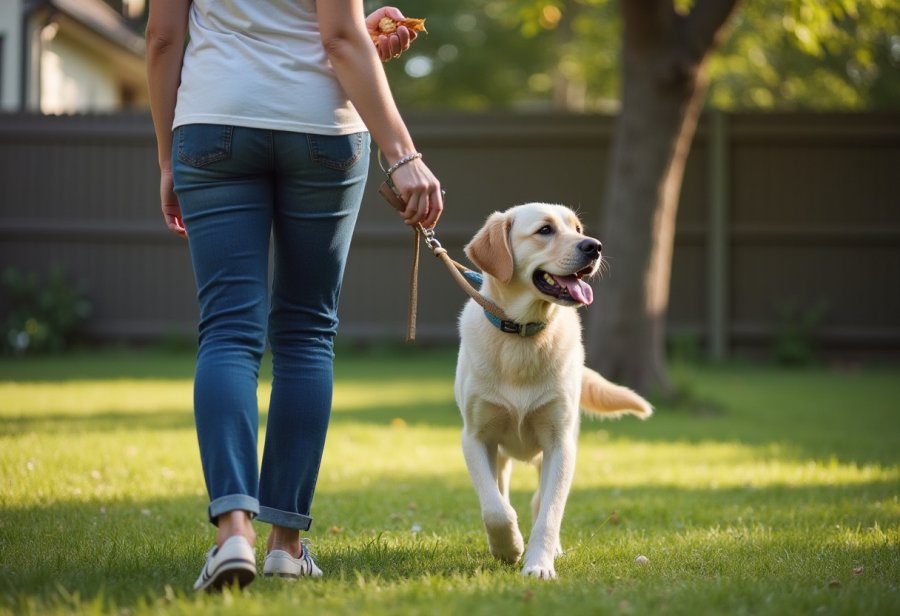
Bringing Calm Into Your Daily Walks: Practical Applications for Every Situation
Applying the principles of calm dog walking in everyday life means seamlessly integrating training routines into your daily outings. Whether you’re heading to the park, running errands, or just strolling around your neighborhood, consistent cues and gentle leash handling keep your dog focused and relaxed despite external distractions. Reinforcing calm behavior around other dogs, people, or noisy environments turns potentially stressful moments into opportunities for positive reinforcement, making every walk a shared success.
In busy urban settings, managing noise and movement can be challenging. Using commands like “heel” or “easy” helps your dog stay attentive amid the chaos. Practicing in these environments gradually builds your dog’s confidence and reduces reactive tendencies, transforming unpredictable outings into more peaceful experiences. Regular routines create a sense of security, helping your dog navigate new places with less stress and more curiosity.
Stories like Lucy and Max’s illustrate how steady application of training principles turns chaotic outings into calm, bonding moments. Max, initially easily distracted and pulling at every distraction, learned to stay focused and walk politely beside Lucy through patience and consistent reinforcement. Such examples highlight that progress is achievable with persistence, turning walks into opportunities for trust and connection rather than frustration.
Short, frequent training sessions are more effective than long, sporadic efforts, especially when introducing your dog to unfamiliar settings. Carry treats or toys to maintain mental engagement and manage energy levels, preventing overwhelm. These small adjustments ensure your training remains enjoyable and sustainable, making calm leash walking a natural extension of your daily routine.
Using practical tools like front-clip harnesses or long lines can also support your efforts. These devices help manage pulling and give your dog room to explore safely, all while maintaining control. As you practice consistently across different settings, your dog becomes more resilient and focused, gradually turning calm leash walking into a habit. Each walk then becomes a peaceful, shared journey rooted in mutual trust and respect.
Smart Financial Planning for Training Supplies and Professional Help
Training your dog to walk calmly on a leash involves some financial considerations, but with thoughtful planning, it remains manageable. Basic equipment like harnesses, leashes, and treats are essential, and their costs can vary depending on quality and features. Investing in a good harness or a front-clip leash might seem like an upfront expense, but these tools can significantly improve training efficiency and your dog’s comfort, often saving time and reducing frustration in the long run. They help prevent pulling and make control easier, accelerating progress and minimizing the need for repeated sessions.
Professional training classes or behavior consultations are valuable options that can provide personalized guidance tailored to your dog’s specific needs. While costs fluctuate based on location and trainer experience, many owners find the investment worthwhile as it often leads to faster, more consistent results. Ongoing follow-up sessions or refresher courses can reinforce progress and help address any setbacks along the way.
Balancing initial purchases with ongoing expenses is key. Treats, training aids, and replacement equipment like leashes or harnesses can add up over time. Planning a realistic budget ensures you don’t overspend while still maintaining effective training routines. Shopping smart for quality gear at reasonable prices helps maximize durability without stretching your finances.
If budget constraints are tight, explore community resources such as local shelters, humane societies, or online tutorials offering free or low-cost training options. Joining local dog meetups or online groups can also provide support and advice without extra cost. These alternatives make consistent training feasible regardless of financial limitations.
Remember, investing in proper gear and professional advice pays off by preventing behavioral issues that could require costly corrections later. Well-trained, calm dogs tend to develop fewer problems over time, saving money and stress. Approaching training with a clear, realistic budget helps turn effective leash manners into an achievable goal, making daily walks more peaceful and rewarding for both you and your dog.
Turning Your Training Plan Into Consistent, Effective Practice
Turning your training plan into consistent practice starts with establishing routines that fit naturally into your daily life. Set specific times for walks and training sessions so your dog begins to anticipate what comes next, creating a sense of security. Keeping these routines predictable helps your dog focus and respond reliably, making progress more steady and rewarding.
Consistency is key. Use the same commands and follow familiar patterns each time you walk. Pair clear cues like “heel” or “easy” with immediate rewards. This repetition reinforces good habits and prevents confusion, helping your dog understand exactly what’s expected. Celebrate small successes—longer periods of calm or better focus—and track your progress to stay motivated.
Short, frequent training sessions are more effective than long, sporadic efforts. This approach keeps your dog engaged and prevents boredom or overwhelm. Carry treats or toys to maintain mental stimulation and manage energy levels, especially in new or distracting environments. These small adjustments make training more enjoyable and sustainable.
Be patient. Every dog learns at its own pace, and setbacks are normal. If your dog struggles with a particular challenge, take a step back to reinforce basics before gradually increasing difficulty. Consistent practice in various settings builds resilience and trust, turning calm leash walking into a natural habit.
Use management tools like long lines or front-clip harnesses to help control pulling and give your dog space to explore safely. These devices support your training efforts and reduce tension, making each walk a chance to reinforce calm behavior. Over time, as your dog gains confidence, these routines become second nature.
Remember, turning training into daily practice is about persistence and adaptability. Celebrate progress, no matter how small, and stay committed to your routines. With patience and consistency, calm leash walking will become a shared experience—peaceful, confident, and rooted in mutual trust.
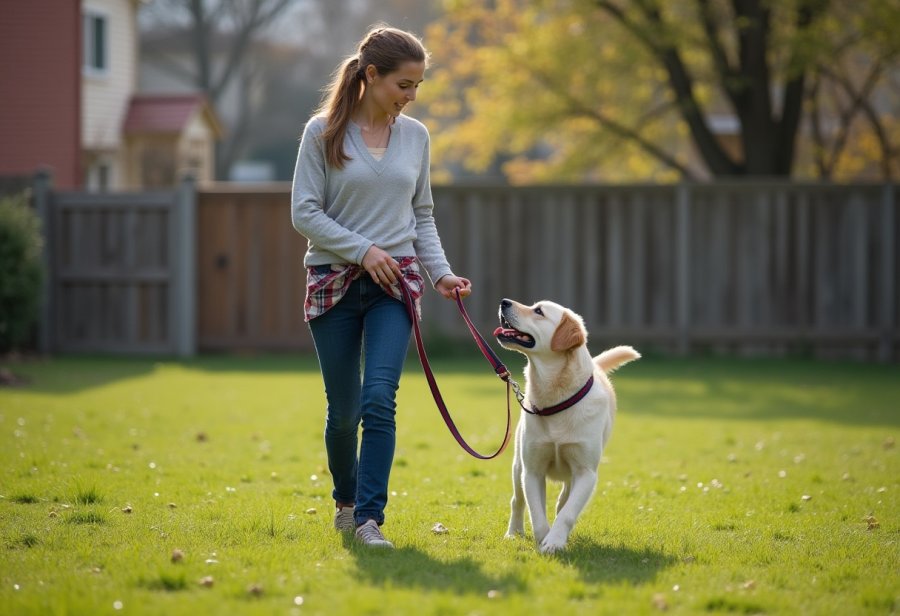
Overcoming Common Challenges and Protecting Your Progress
Training a dog to walk calmly on a leash isn’t always straightforward, and challenges can arise unexpectedly. One common hurdle is pulling, especially when your dog gets excited by sights, sounds, or smells. This behavior can turn a peaceful walk into a tug-of-war, making progress frustrating and even unsafe. Recognizing what triggers pulling early allows you to adjust your approach—whether by changing your environment or refining your training techniques—to keep things under control.
Distractions like other dogs, busy traffic, or loud noises can also throw your dog off balance. If they become overwhelmed or reactive, it’s best to introduce these stimuli gradually in controlled settings, rewarding calm responses along the way. Rushing this process often worsens reactivity, so patience and slow exposure are key to building confidence and focus.
Some dogs naturally have higher energy levels or stronger prey drives, which make calm leash walking more difficult. These traits aren’t signs of failure but signals to tailor your methods accordingly. When your dog shows signs of anxiety or overexcitement, stepping back to reinforce basics or using management tools like long lines or head halters can help keep them safe and calm.
Environmental triggers—crowded parks, unfamiliar streets, or noisy places—pose additional hurdles. Managing these situations with gradual exposure and positive reinforcement can help your dog adapt and remain composed. Short, frequent training sessions in new environments prevent overwhelm and promote steady progress.
Setbacks are part of the journey. If your dog becomes reactive or resistant, view it as an opportunity to reassess your techniques and pace. Sometimes, enlisting the help of a professional trainer provides fresh insights and tailored strategies. With persistence and patience, these challenges transform into stepping stones toward peaceful, confident walks that strengthen your bond.