Underground street racing is more than just a high-speed thrill; it’s a brotherhood built on loyalty, trust, and shared rebellion. From clandestine beginnings fueled by post-war car culture, it has evolved into a global scene where modified machines and daring drivers push limits in secrecy. In the shadows of abandoned lots and night-lit streets, racers forge unbreakable bonds through whispered secrets, mutual support, and a code of honor that emphasizes safety, responsibility, and community. As the scene faces increasing legal crackdowns, technological advances like electric vehicles and digital coordination tools are transforming its future—balancing tradition with innovation. Will the next generation maintain the rebellious spirit that defines this culture, or will safety and legality reshape its core? This ongoing evolution challenges enthusiasts to preserve the essence of brotherhood while embracing new tools and venues, ensuring that the adrenaline-fueled camaraderie endures amid shifting societal boundaries.
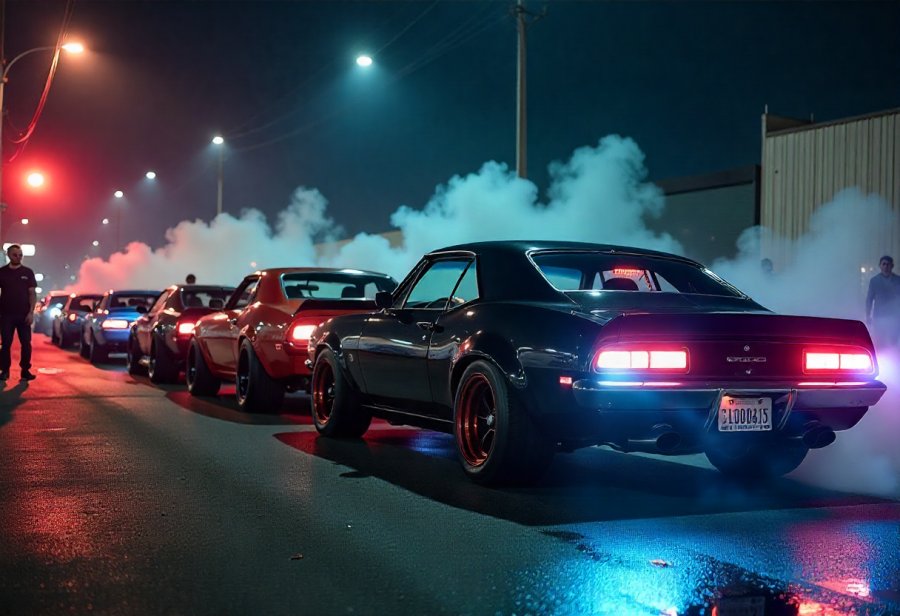
Unveiling the Origins and Cultural Significance of Underground Street Racing
Underground street racing has a history that stretches back over fifty years, evolving from casual gatherings of car enthusiasts into a global subculture. Originally taking place on quiet city streets, these races were hidden from authorities, held in secret locations where speed and rebellion went hand in hand. Over time, the scene grew, attracting a diverse mix of drivers who shared a passion for pushing their machines to the limit and defying the norms of mainstream motorsport.
Unlike official racing events, street racing isn’t governed by strict rules or safety standards. It often happens spontaneously on deserted roads, parking lots, or abandoned industrial zones—places chosen for their seclusion and space. Driven by the thrill of defying authority, racers modify their cars extensively, sharing tips and locations through coded language and discreet meetups. This clandestine nature adds an element of danger and excitement, making every race unpredictable and intense.
The roots of street racing are deeply tied to post-World War II car culture, when young drivers began customizing their vehicles for speed and style. The scene expanded with the rise of muscle cars and Japanese imports, each bringing their own flavor and style. Films and media romanticized these midnight battles, turning street racing into a symbol of freedom, rebellion, and individual expression. Today, despite crackdowns by law enforcement, the culture persists—adapted through online forums, encrypted messaging, and private gatherings that keep the spirit alive.
Modern racers gather at known spots like abandoned lots or quiet suburban roads, where the combination of space and secrecy makes illegal racing possible. The cars vary widely—from turbocharged Japanese imports to American muscle icons—all heavily modified for performance and style. Beyond the adrenaline rush, street racing has influenced fashion, music, and urban style, becoming a powerful symbol of youth identity and defiance.
The scene’s cultural significance goes beyond just speed. It’s about community, loyalty, and brotherhood. Drivers trust each other implicitly, sharing secrets and supporting one another through late-night races and mutual challenges. The bonds formed in the shadows—over secret meetups and shared risks—are what sustain this underground movement, making it more than just a pastime; it’s a way of life rooted in loyalty and shared dreams.
Despite the dangers and legal challenges, underground street racing endures because it offers a sense of belonging and identity that mainstream activities often can’t provide. It’s a space where young people carve out their own rules, express their individuality, and forge unbreakable bonds. This rebellious, passionate energy continues to drive the culture forward, preserving its core values even as it evolves with new technology and shifting societal attitudes.
The Unbreakable Bonds of Loyalty and Brotherhood in the Scene
In the world of underground street racing, loyalty and trust form the backbone of the entire community. These racers aren’t just out for a quick win; they’re part of a brotherhood built on shared experiences, unspoken bonds, and a deep sense of belonging. When you line up for a midnight race on a dark, deserted street, it’s the trust in your crew—knowing they’re watching your back—that makes all the difference. From signaling the start to troubleshooting a car breakdown in the dead of night, reliance on each other keeps the scene alive and thriving.
Loyalty runs deep, often passed down from seasoned veterans to newcomers eager to prove themselves. It’s more than just sticking with your crew—it’s about protecting each other at all costs. Covering for a teammate when law enforcement shows up, sharing secret race spots, or helping upgrade each other’s cars—all these acts reinforce the bonds that turn strangers into family. This loyalty creates a sense of safety and mutual respect, where everyone understands their role in preserving the integrity of the scene.
Trust is just as crucial when it comes to racing coordination. Drivers depend on clear signals, precise timing, and a shared understanding of unspoken rules that keep everyone safe. Over time, these shared risks and adrenaline-fueled moments cement relationships further. Each successful race or narrow escape strengthens the feeling that they’re in this together—facing danger, celebrating victories, and weathering setbacks as one.
Beyond the races, the brotherhood extends into daily life. Many see their crew as more than just a group of car enthusiasts; they’re a second family. Sharing stories, celebrating milestones, and supporting each other’s growth create bonds that go far beyond the asphalt. The cars they build or modify become symbols of loyalty—each custom detail a mark of pride and allegiance. When they gather at meets or car shows, camaraderie takes center stage, emphasizing that their passion is rooted in connection.
Secrecy plays a vital role in strengthening these relationships. Racers guard their race locations, modifications, and plans, not just to stay out of legal trouble but to maintain trust within the group. Respecting hierarchies and unwritten codes—especially toward experienced members—helps keep the community tight-knit. Betrayal or reckless behavior can fracture these bonds, so responsibility and integrity are valued above all else.
This culture of loyalty and brotherhood transforms reckless activity into a shared lifestyle. The bonds formed in the shadows—through late-night meets, whispered secrets, and high-stakes races—give members a sense of purpose and belonging that’s hard to find elsewhere. It’s a space where respect, trust, and mutual care aren’t just words—they’re the glue holding the entire scene together.
At its core, underground street racing is more than just a pursuit of speed; it’s a community built on unbreakable bonds. These relationships, forged in the heat of competition and secrecy, create a resilient network of support. They turn individual passion into collective identity, ensuring that even as the scene evolves, the spirit of loyalty and brotherhood remains firmly intact.

The Evolving Landscape of Street Racing: Today’s Scene and Its Cultural Impact
Today, underground street racing continues to thrive as a dynamic and evolving scene within urban culture. Instead of spontaneous gatherings on quiet streets, many racers now meet at known clandestine locations like abandoned parking lots, industrial zones, or quiet suburban backroads. These spots offer enough space for high-speed runs while maintaining a necessary level of secrecy from law enforcement. Digital tools such as encrypted messaging apps, private forums, and social media groups have become vital for organizing these covert events, allowing enthusiasts to connect and coordinate without attracting unwanted attention.
Car choices have also diversified, reflecting both personal style and performance goals. Japanese imports like Nissan Skylines, Honda Civics, and Subaru WRXs remain popular for their performance potential and extensive aftermarket support. American muscle cars like Ford Mustangs and Chevrolet Camaros continue to hold appeal thanks to their raw power and aggressive aesthetics. Modifications now focus on maximizing speed and handling—turbo upgrades, cold air intakes, and performance exhausts are common upgrades. Custom paint jobs, decals, and lightweight wheels turn each vehicle into a statement piece, showcasing individual identity and skill.
Despite its roots in illegality, street racing has significantly influenced broader urban culture. Fashion, music, and car customization inspired by the scene have seeped into mainstream trends, turning street racing symbols into expressions of rebellion and self-identity. For many young people, participating in or observing these races offers a way to challenge societal norms, express their individuality, and feel a sense of control outside conventional systems. This cultural impact helps sustain the scene’s relevance, even as authorities intensify efforts to crack down on illegal activities.
Law enforcement agencies worldwide remain vigilant, deploying surveillance, patrols, and strict penalties to curb illegal racing. As a result, many racers have shifted to less visible locations or organized events through encrypted channels to stay ahead of legal crackdowns. The risks involved, including accidents and fatalities, cast a shadow over the scene, highlighting the dangerous allure that keeps underground racing alive. These dangers often serve as a stark reminder of the fine line between thrill and peril.
In response, some regions are developing legal underground circuits—private tracks designed specifically for high-performance driving. These venues provide a controlled environment where racers can push their limits safely and legally, offering a responsible alternative to street racing. Such circuits act as a bridge, blending the rebellious spirit of underground racing with the need for safety and regulation, helping preserve the culture in a more sustainable way.
Technological advances continue to shape the future of underground racing. Electric vehicles, once considered unlikely contenders, are making their mark with silent, rapid acceleration and minimal noise, making clandestine night runs more discreet. Digital platforms enable organizers to coordinate events securely, sharing race details while maintaining anonymity. These innovations suggest a scene that’s adaptable—balancing tradition with new tools that emphasize safety, discretion, and community.
Despite these shifts, the core of street racing remains rooted in loyalty, brotherhood, and shared passion. The bonds formed during late-night races, whispered secrets, and mutual trust are resilient, holding the community together through change. Whether through illegal street runs or sanctioned events, the scene’s energy persists because of its unbreakable sense of kinship. As long as young enthusiasts seek the thrill of speed and connection, underground street racing will continue to evolve while maintaining its rebellious heart.
Living Responsibly: How Enthusiasts Can Engage with Street Racing Culture Safely
Getting involved in street racing culture responsibly starts with understanding that safety and legality go hand in hand. Instead of risking lives on the streets, enthusiasts can support the scene by participating in legal racing events held at sanctioned tracks or organized car meets. These environments deliver the adrenaline of high-speed driving without the dangers or legal repercussions of illegal racing. Supporting the community’s passion within these frameworks helps keep everyone safe and the culture thriving.
Modifying your vehicle with safety as a priority makes a real difference. Upgrades like quality brakes, tires, and roll cages aren’t just performance boosts—they’re essential for protecting yourself and others. When you focus on reliability and safety, you demonstrate respect for the sport and your fellow enthusiasts. Reputable tuning shops and car clubs can guide responsible modifications, ensuring your vehicle is both fast and safe.
Sharing knowledge within online communities or local groups fosters trust and a culture rooted in respect. These platforms are more than forums—they’re spaces to learn best practices, troubleshoot issues, and support each other’s growth. By exchanging tips on responsible driving and proper maintenance, racers help elevate the scene’s standards and reduce unnecessary risks. This collective effort strengthens the community and preserves its integrity.
For newcomers, understanding the real dangers involved is crucial. Illegal street racing can lead to hefty fines, license suspensions, or worse—serious injuries or fatalities. Opting for legal alternatives like track days or organized car shows offers a safer way to experience the thrill of racing. Approaching the scene responsibly means respecting boundaries that protect everyone involved.
Building a community based on loyalty and trust is key. Many seasoned racers see their crew as more than just a group—they’re a second family. Sharing secrets, supporting each other’s growth, and prioritizing safety create bonds that last beyond the asphalt. Upholding unwritten codes—like confidentiality about race spots and modifications—further strengthens these relationships, ensuring the scene remains cohesive.
Acting responsibly also means recognizing that street racing isn’t just about speed. It’s about maintaining the community’s integrity and ensuring its future. Avoid reckless behavior, don’t share sensitive information, and prioritize safety over bragging rights. By doing so, enthusiasts help keep the culture alive, fostering a scene built on respect, trust, and shared passion.
Engagement with the scene should be thoughtful and deliberate. Embracing legal racing options, emphasizing safety, and supporting responsible modifications all contribute to a sustainable culture. When drivers act with integrity, they uphold the values that make underground racing more than just a reckless activity—it’s a brotherhood committed to loyalty, connection, and shared dreams.
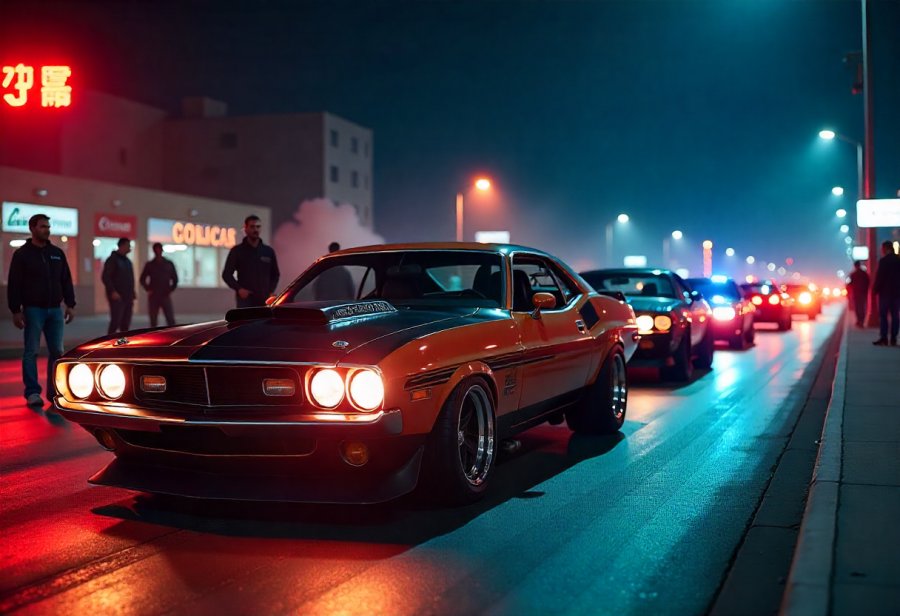
Shaping the Future: Innovations and Cultural Shifts in Underground Racing
The future of underground street racing is poised for significant change, driven by technological innovation and shifting cultural attitudes. Electric vehicles are starting to challenge traditional notions of speed and noise, offering a quieter, more discreet alternative that could revolutionize clandestine racing. With rapid acceleration and near-silent operation, high-performance EVs make night runs less detectable, opening new possibilities for underground enthusiasts. As battery technology continues to improve, dedicated electric racing circuits may emerge as safer, legal venues that preserve the adrenaline rush while reducing risks and legal complications.
Meanwhile, digital platforms are transforming how racers organize and communicate. Encrypted messaging apps, private forums, and specialized apps enable the community to coordinate covert events securely, maintaining the rebellious spirit while enhancing safety and discretion. This digital evolution not only helps evade law enforcement but also expands the scene’s reach, connecting enthusiasts across the globe. As these tools mature, they could foster a more organized, yet still underground, culture that balances innovation with the core values of loyalty and brotherhood.
Some regions are already exploring the development of legal underground circuits—private tracks designed specifically for high-performance driving. These venues offer a controlled environment where racers can push their limits safely and legally, providing an alternative to dangerous street runs. Such spaces help sustain the culture by channeling the community’s passion into responsible, regulated competition, blending the raw energy of the underground with a focus on safety and legality. Over time, these circuits could become central hubs for the scene, fostering a sense of community without the risks of illegal racing.
As electric vehicles gain prominence, the scene’s cultural fabric remains resilient. Loyalty, brotherhood, and shared passion continue to fuel the community, even as the tools and venues evolve. Bonds forged in late-night races, whispered secrets, and mutual trust are what keep the scene vibrant. Young drivers are eager to push boundaries, and as new technologies emerge, they adapt old values to modern environments without losing their rebellious core. This blend of tradition and innovation ensures the scene remains relevant and energized.
Looking ahead, underground racing will find a balance between embracing new tech and honoring its roots. While some will continue to chase the adrenaline of illegal street races, others will prefer the safety and camaraderie of legal circuits and organized events. Electric power, digital organization, and dedicated tracks will redefine what underground racing looks like, yet the unbreakable bonds of loyalty and kinship will stay at its heart. As long as there are driven young enthusiasts seeking connection through speed, the spirit of underground racing will continue to evolve—more responsible, more inclusive, but never less passionate.