In an age dominated by digital interactions, could the simple act of gardening together unlock deeper emotional bonds and foster healing? This heartfelt exploration reveals how shared outdoor activities—planting, watering, and nurturing—serve as powerful tools to strengthen relationships, build resilience, and cultivate trust. Rooted in timeless principles of patience and care, gardening becomes more than a hobby; it transforms into a collective ritual that promotes open communication, empathy, and vulnerability. Evidence from scientific studies and real-life stories illustrates how working side by side in soil reduces stress and deepens connection. As communities embrace green spaces and innovative programs, gardening offers a promising pathway to reconnect with ourselves and others amid modern chaos. Could tending a garden be the key to nurturing not just plants, but the emotional roots of our relationships? The answer lies in the gentle, persistent act of caring for life—both in soil and in the human heart.
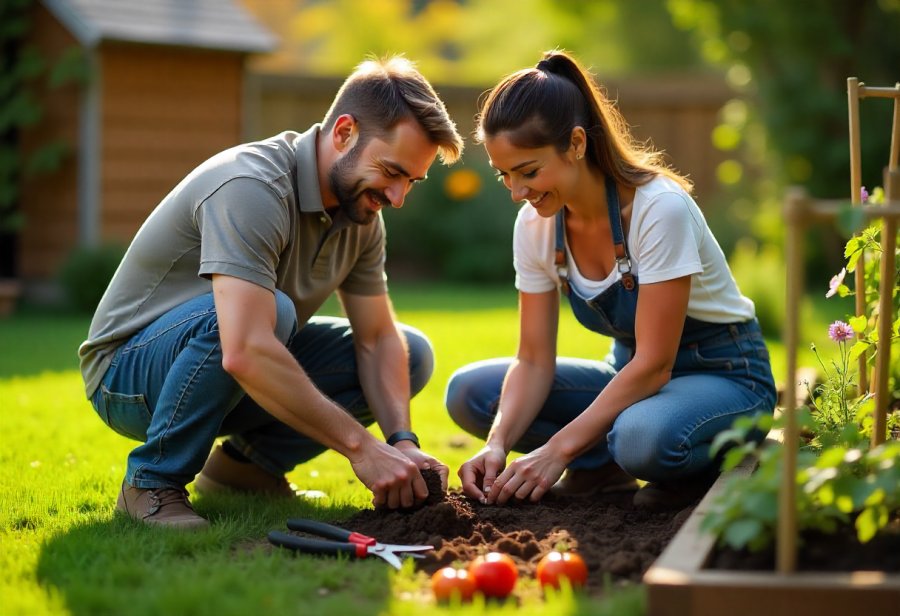
Reconnect and Heal Through Shared Gardening in a Digital Age
In today’s busy digital landscape, it’s easy to feel disconnected from the simple pleasures of human interaction and nature. Many of us spend hours glued to screens—scrolling social media, replying to emails, or binge-watching shows—often at the expense of meaningful connection. Yet, there’s a quiet, timeless activity that can bridge this gap: gardening. Sharing the experience of tending to a garden encourages us to slow down, focus on something tangible, and reconnect with ourselves and others in a way that screens simply can’t replicate.
Gardening together creates a natural setting for emotional bonds to blossom. When two or more people work side by side in the dirt, they participate in a shared act of nurturing life. This process fosters open communication, patience, and empathy—key ingredients for strengthening relationships. Facing setbacks like pests or unpredictable weather gives opportunities to support each other, building resilience and mutual trust along the way. Watching plants grow and recover becomes a quiet reminder that growth, whether in nature or in relationships, takes time and care.
In a world increasingly dominated by digital interactions, gardening offers a restorative escape. The tactile act of digging, watering, and pruning grounds us in the present moment, providing a calming counterpoint to the constant rush of modern life. When shared, these moments of mindfulness deepen connection, opening space for vulnerability and heartfelt conversations. The garden becomes a sanctuary where patience and collective effort turn into a foundation of trust, nurturing not only plants but also emotional well-being.
Research supports this idea, showing that outdoor activities like gardening can reduce stress hormones and elevate mood. When done with others, the benefits multiply, transforming a routine hobby into an engaging, healing ritual. The simple act of planting seeds or watering blooms together can spark feelings of satisfaction and closeness. Over time, these shared experiences reinforce the understanding that genuine bonds grow slowly, nurtured through patience, effort, and mutual care.
Ultimately, gardening as a shared activity offers more than just physical benefits; it provides a meaningful pathway to emotional healing and connection. It reminds us that nurturing life—both in the soil and in our relationships—requires patience and consistent effort. As we watch a garden thrive because of our collective care, we also cultivate resilience, empathy, and trust within ourselves and each other. In a digital age often marked by superficial interactions, tending to a garden becomes a powerful act of reconnecting with what truly matters.
Foundations of Gardening and Emotional Well-Being
Gardening is rooted in simple yet profound principles—planting, nurturing, and patience—that closely mirror how we care for our emotional well-being. When we tend to plants, we practice attentiveness and tenderness, qualities just as vital when supporting ourselves or others through difficult times. Watching a seed sprout and grow reminds us that progress often unfolds slowly and steadily, reinforcing that healing and relationship-building are journeys, not quick fixes.
Throughout history, many cultures have recognized the healing power of gardens. Ancient Egyptians, Greeks, Chinese, and others created spaces not only for sustenance but for reflection, recovery, and spiritual renewal. Monasteries cultivated medicinal herbs to promote health and mindfulness, while indigenous communities worldwide have used gardens as tools to restore balance and foster community. These traditions demonstrate that caring for plants is more than a physical act—it’s a timeless way to nourish the soul.
Gardening naturally cultivates essential relationship skills like communication, patience, and empathy. Working together to plant, water, or weed encourages sharing ideas, listening actively, and coordinating efforts. As plants take time to flourish, setbacks are inevitable, teaching resilience and understanding. Recognizing each plant’s needs, as well as each other’s roles, deepens empathy and mutual care, creating bonds that grow stronger with every small success.
Research consistently shows that time spent outdoors in green spaces benefits mental health. Activities like digging, watering, and pruning activate our relaxation responses, lowering stress hormones and boosting mood. Sharing these moments amplifies the positive effects, turning gardening into a collective act of mindfulness and healing. Not only does this support individual well-being, but it also fosters trust and vulnerability between those involved.
The physical act of working in soil grounds us in the present, helping to reduce anxiety and promote calm. When shared with others, these acts of care become opportunities for open communication, mutual support, and emotional connection. Watching a garden thrive because of joint effort reinforces the idea that growth—whether in plants or relationships—requires patience, persistence, and gentle nurturing.
Gardening exemplifies a continuous process of growth and care that reflects healthy relationships. It reminds us that patience, empathy, and perseverance are key ingredients for resilience. As we nurture life in the soil, we also cultivate trust and understanding, creating a foundation that can withstand life’s challenges. The garden becomes a living symbol of connection—an ongoing reminder of the power of collective care and gentle persistence.
In embracing these principles, we find that gardening isn’t just a hobby—it’s a practical method for fostering emotional healing and deepening bonds. By tending to plants side by side, we build resilience and empathy in ourselves and others. This shared effort nurtures patience and trust, qualities essential for meaningful relationships. Ultimately, the garden becomes a sanctuary where growth, healing, and connection flourish together.
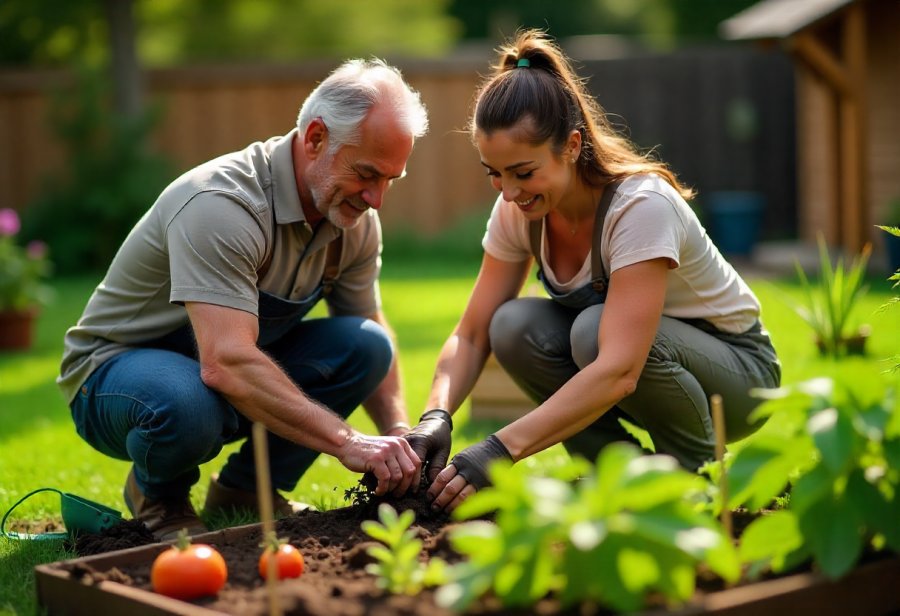
Scientific and Personal Evidence Linking Gardening to Stronger Bonds
A growing body of research highlights how gardening together can strengthen emotional bonds in meaningful ways. For example, a study published in the *Journal of Environmental Psychology* found that couples who gardened side by side reported feeling more connected and satisfied than those working separately. The shared effort—planting, watering, and nurturing—creates a sense of teamwork and trust that extends beyond the garden itself. These small, joint accomplishments foster cooperation and empathy, building a foundation of mutual understanding that deepens over time.
Psychologists see gardening as a ritual rooted in our basic need for connection. When people work together to care for plants, they naturally communicate more, share ideas, and listen actively. The patience required for plants to grow teaches resilience and tolerance, while facing setbacks together—like pests or weather—encourages problem-solving and support. This shared experience of overcoming challenges cultivates a sense of safety and trust, making the garden a space where vulnerability can flourish.
Stories from real life reinforce these insights. Families who turn to gardening during tough times often find that the activity helps rebuild trust and calm nerves. One family started a vegetable patch after a stressful move, and over time, the garden became a symbol of their collective resilience. Similarly, couples who cultivate flowers together often find joy in small successes, like a blooming rose or a ripe tomato, which serve as tangible signs of their teamwork. These stories show that gardening isn’t just about plants—it’s about nurturing emotional recovery and connection.
The physical act of working with soil plays a key role in this process. Digging, watering, and pruning ground us in the present moment while reducing stress. This outdoor activity activates our relaxation responses, lowering cortisol levels and boosting mood. When shared, these moments deepen bonds—they open pathways for honest conversations and shared vulnerability. Watching a garden thrive because of joint effort reinforces the idea that growth takes patience, persistence, and collective care.
All these elements combine to make a compelling case: gardening isn’t just a hobby; it’s a powerful tool for nurturing trust, resilience, and emotional well-being. The science, stories, and psychological insights all point to one truth—working side by side in the soil helps roots of trust and understanding grow stronger. It reminds us that, even in a world dominated by screens, engaging with nature and each other through gardening can be a simple yet profound way to forge deeper connections and promote healing.
Practical Strategies to Cultivate Connection in Your Garden
Starting a shared garden is about more than just planting seeds; it’s about creating a space where connection and growth happen naturally. Begin by having an open conversation with everyone involved—discuss interests, expectations, and how much time each person can realistically commit. Clarifying these points early sets a positive tone and ensures everyone feels involved from the start. When everyone’s voice is heard, the experience becomes more meaningful and fosters a sense of shared ownership.
Choosing the right location is key. Whether it’s a backyard, balcony, or community plot, the space should be accessible and suited to your chosen plants. Sketch out a simple plan for your garden layout to help visualize where each person’s plants will go. Dividing tasks—watering, planting, weeding—before you start keeps everyone engaged and prevents confusion later. Consistency in your schedule turns gardening into a routine, transforming it from a chore into a cherished activity that reinforces your bond.
Regularly working together in the garden builds momentum and deepens your connection. Setting aside specific times—like a weekend morning or weekday evening—creates predictable moments for conversation and teamwork. Small rituals, such as watering together or sharing the harvest, foster a sense of shared purpose and joy. These routines not only strengthen your relationship but also turn the garden into a sanctuary for communication, patience, and mutual support.
Using simple, accessible tools makes gardening manageable and enjoyable. Basic supplies like gloves, trowels, and watering cans are affordable and widely available. If you’re new to gardening, local workshops or online resources can provide helpful tips, boosting confidence and motivation. Remember, setbacks are part of the process—be patient and view challenges as opportunities to learn and grow together. Flexibility and open communication will help keep everyone motivated and connected throughout the journey.
Celebrate your progress, no matter how small. Whether it’s harvesting your first vegetables or simply enjoying a peaceful moment in the garden, acknowledging these wins reinforces your collective effort. These shared successes become symbols of your teamwork and resilience. Over time, your garden becomes more than just a patch of land—it transforms into a living testament to patience, trust, and the power of working together. This collaborative effort nurtures not only plants but also the emotional bonds that hold relationships strong.
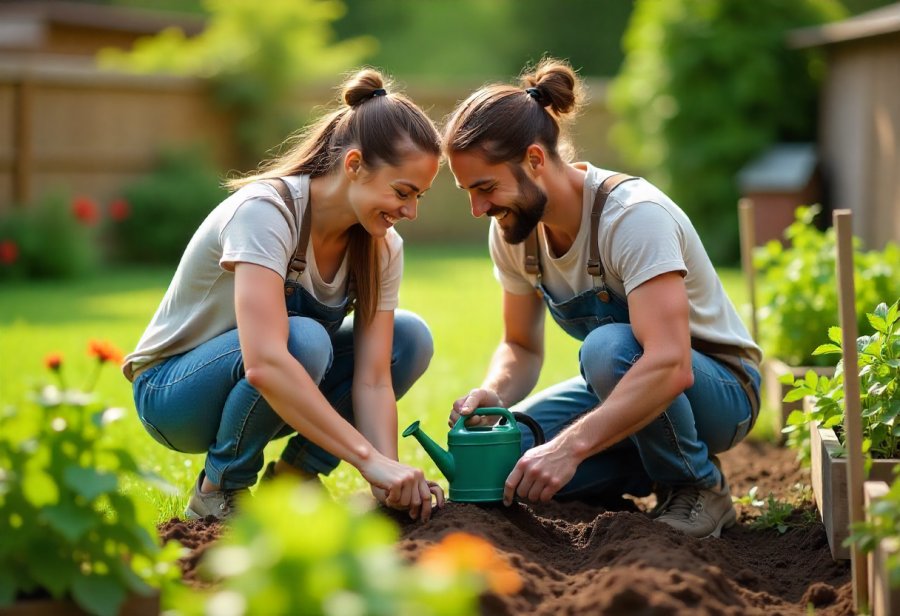
Embracing Gardening’s Future as a Path to Healing and Deeper Relationships
Gardening as a shared activity holds remarkable promise for strengthening emotional bonds and fostering healing, especially in a world that often feels disconnected and hurried. When we work together to tend a garden, we create opportunities for trust, patience, and cooperation to flourish—qualities that are essential for resilient relationships. As more communities embrace green spaces and accessible gardening initiatives, the potential to use this simple activity as a tool for emotional connection continues to grow, offering a gentle yet powerful alternative to superficial digital interactions.
The benefits of gardening extend well beyond physical activity; they activate our relaxation responses, reduce stress, and elevate mood. Sharing these moments amplifies their impact, transforming a routine hobby into a meaningful ritual of mutual care. Watching a garden thrive because of collective effort reinforces the understanding that growth—whether in plants or in relationships—takes time, patience, and consistent nurturing. This shared journey reminds us that persistence and gentle effort are key ingredients for both healing and connection, making the process itself a powerful symbol of resilience.
Gardening also cultivates essential skills like communication, empathy, and resilience. Working side by side in the soil encourages open dialogue, shared problem-solving, and mutual support. Facing setbacks together—such as pests, weather, or uneven growth—strengthens trust and deepens bonds. The physical act of caring for living things creates a space where vulnerability can flourish, and trust can be built through shared effort and patience. Over time, these small acts of nurturing become the foundation for stronger, more compassionate relationships.
Looking ahead, the future of gardening as a healing and bonding tool appears bright. Innovations in urban green spaces, community gardens, and outdoor therapy programs are making it easier for people from all walks of life to participate. As technology advances, virtual gardening communities and apps can connect those without easy access to physical spaces, broadening the reach of this restorative activity. These developments position gardening as an inclusive, adaptable way to foster emotional resilience, healing, and community connection—no matter where someone is.
In a world increasingly dominated by screens and superficial exchanges, returning to the rhythms of nature offers a meaningful way to reconnect with ourselves and each other. Whether through a small balcony herb garden or a shared plot in a community garden, tending plants together nurtures trust, patience, and empathy. These qualities, cultivated in the soil and in our relationships, help us build a more resilient, compassionate society—one garden at a time. The act of caring for life in the soil becomes a quiet yet profound act of healing, reminding us that growth and connection require ongoing effort, but yield lasting rewards.