In an era where communication can make or break a business, the shift toward customized telephony solutions promises to redefine efficiency and customer engagement. How can tailored systems, integrating devices like Grandstream’s IP phones with cloud management platforms, transform operational workflows? These advanced solutions offer more than just clear calls—they enable smarter call routing, seamless remote management, and integration with critical business applications, turning communication into a strategic advantage. As the industry evolves from traditional landlines to AI-powered, 5G-enabled ecosystems, organizations face the challenge and opportunity to stay ahead by adopting scalable, flexible, and secure systems. Will embracing these innovations foster resilience and growth, or leave companies lagging behind in a rapidly digitalized landscape? This ongoing evolution beckons businesses to rethink communications as dynamic, personalized tools essential for competitive success—are you leveraging their full potential?
Transforming Business Communication with Customized Telephony Solutions
In today’s fast-moving business environment, clear and reliable communication isn’t just a convenience—it’s a necessity. Companies are increasingly moving away from generic, one-size-fits-all phone systems, recognizing that tailored telephony solutions can dramatically boost efficiency and customer satisfaction. These customized systems are designed to fit specific operational needs, whether that means integrating with customer management tools, supporting remote teams, or automating routine tasks. The result is a communication ecosystem that works smarter, not harder, aligning technology directly with business goals.
Creating a personalized telephony setup involves more than just upgrading hardware; it’s about building a comprehensive, seamless communication network. This includes integrating hardware like IP phones with software platforms that allow for advanced call routing, auto-attendants, and direct links to CRM or other business applications. Such customization ensures that each call is handled efficiently and in a manner that supports the overall workflow. It transforms communication from a simple utility into a strategic asset that can adapt as your organization grows and evolves.
Compared to traditional phone systems, customized telephony solutions offer notable advantages. They enable smarter call management, quicker responses, and interactions that feel more relevant to the caller’s needs. Cloud management platforms, like Grandstream’s GDMS, make deployment and ongoing oversight straightforward, allowing organizations to configure, monitor, and update their systems remotely. This flexibility is especially beneficial for growing businesses or those with multiple locations, as it facilitates rapid scaling and consistent service quality without the need for extensive hardware changes.
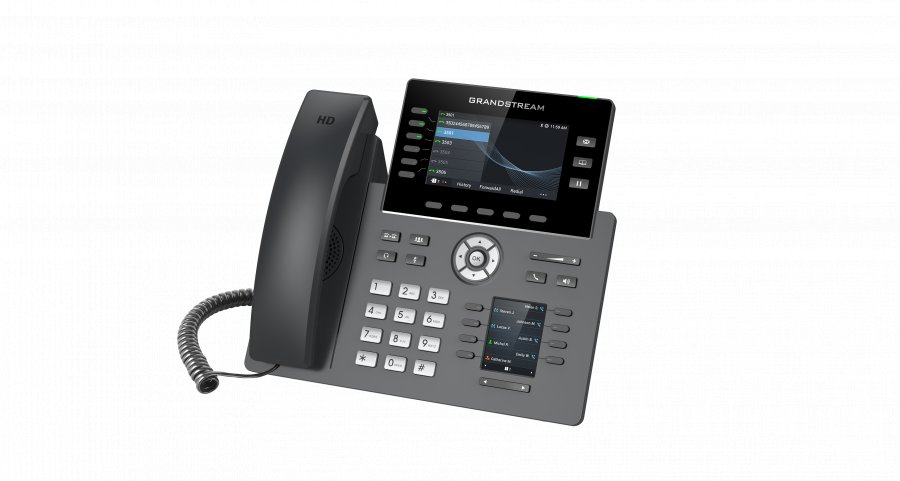
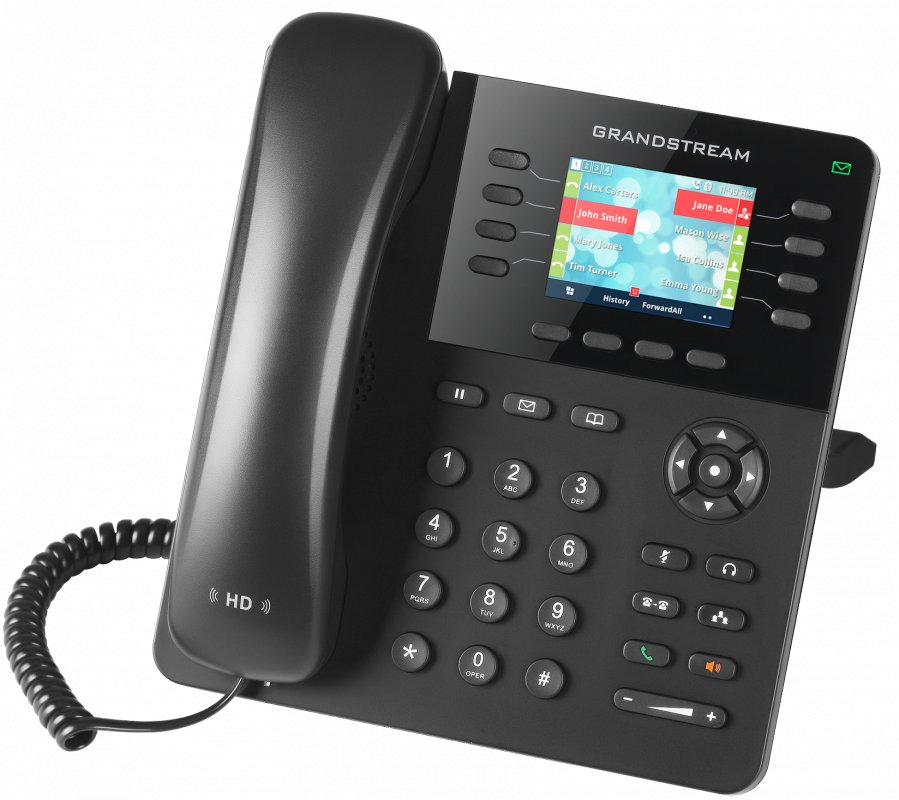
Devices like Grandstream’s IP phones are built to support these tailored setups. They are reliable, easy to manage, and compatible with cloud platforms, supporting features like virtual extensions, call forwarding, and secure remote access. Whether deploying a handful of phones or thousands across different sites, these devices integrate smoothly into a customized communication network, supporting both current needs and future expansion. This adaptability makes them an essential part of any modern business’s telephony strategy.
Ultimately, tailored telephony solutions do more than improve call quality—they create a smarter, more responsive organization. By leveraging devices and platforms designed for flexibility and growth, companies can foster internal collaboration, deliver more engaging customer interactions, and stay competitive in a digital-first world. Embracing these innovations means investing in a communication infrastructure that’s resilient, scalable, and aligned with your strategic goals, ensuring you’re always connected and prepared for what’s next.
Tracing the Evolution of Business Communication Technologies
The story of business communication is a story of continuous innovation, driven by technological breakthroughs that have reshaped how organizations connect and collaborate. It all started with the invention of the telephone in the late 19th century, which revolutionized long-distance voice communication. Early landline systems relied on analog signals transmitted through copper wires, allowing businesses and individuals to converse across miles for the first time. These simple but transformative systems laid the groundwork for future advances in voice technology.
As the 20th century progressed, analog systems gave way to digital telephony, offering clearer calls and more reliable connections. Digital switching replaced manual operators, introducing features like call forwarding, voicemail, and automated call management. These enhancements made business communication more efficient and set the stage for integrating voice with digital tools, creating more streamlined workflows.
The biggest leap came with the rise of Voice over Internet Protocol (VoIP) in the late 20th century. VoIP technology allowed voice data to travel over the internet instead of dedicated phone lines, reducing costs and increasing flexibility. It enabled organizations to scale their systems more easily, support remote work, and incorporate features like video calls and instant messaging. This shift fundamentally changed how companies approached their communication infrastructure, making it more adaptable and integrated with digital business environments.
The advent of cloud-managed solutions and IP phones further transformed the landscape. These devices are designed for quick deployment and remote management, allowing IT teams to configure and monitor entire networks from a centralized platform. Platforms like Grandstream’s GDMS simplify this process, enabling organizations to update features, troubleshoot issues, and expand their systems seamlessly across multiple locations. This move toward cloud-based management has empowered businesses of all sizes to create customized, scalable communication networks without costly hardware overhauls.
Throughout this evolution, industry leaders like Cisco, Avaya, and Mitel have driven progress, setting standards that made business communication more accessible, reliable, and flexible. Today’s solutions build on these innovations, offering high-quality voice, seamless integration with business applications, and the agility to adapt quickly to changing needs. This ongoing journey reflects a commitment to making communication faster, clearer, and more connected—paving the way for the future of digital business interaction.

Adopting the Latest Trends in Modern Telephony
Today’s business communication landscape is more dynamic and interconnected than ever. Companies are rapidly shifting from traditional landlines to advanced telephony solutions that leverage internet technology. Voice over Internet Protocol (VoIP) has become the norm for many organizations, offering significant cost savings and unmatched flexibility. With VoIP, voice calls travel over the internet, making it easier to scale systems up or down without the need for physical phone lines or extensive hardware changes.
Cloud management platforms are at the core of this transformation. They enable organizations to configure, monitor, and update their entire telephony network remotely from a single interface. This centralized control streamlines deployment, simplifies troubleshooting, and ensures consistent service quality across multiple locations. Many businesses are now able to support remote teams and dispersed offices seamlessly, maintaining a unified communication experience regardless of where employees are working.
Modern IP phones, like those from Grandstream, are designed to support these new ways of working. They come equipped with rich features, user-friendly interfaces, and high-quality audio, making them suitable for both small teams and large enterprises. These devices are built for easy management and integration, allowing organizations to implement personalized workflows such as auto-attendants, CRM integration, and virtual extensions. This adaptability helps businesses respond swiftly to changing operational needs.
Technological innovations like AI-powered call analytics, automated workflows, and the rollout of 5G networks are shaping the future of telephony. AI features analyze call patterns, optimize routing, and offer insights that improve customer service and operational efficiency. Meanwhile, 5G’s faster, more reliable connections support high-quality voice and video calls on the go, enhancing remote collaboration and real-time communication.
Unified communication platforms are evolving to combine voice, video, messaging, and collaboration tools into a single interface. This integration simplifies workflows and keeps teams connected across different locations and devices. As these platforms incorporate AI and analytics, organizations gain deeper insights into communication patterns, enabling smarter decision-making and resource allocation. This convergence is transforming telephony from a standalone utility into a comprehensive business tool.
Device innovation continues to accelerate, with IP phones and endpoints adopting features like AI, enhanced security, and improved interoperability. Future devices will support not just voice but smarter integrations with other business systems, boosting productivity and user experience. Cloud management remains essential, offering centralized control that simplifies deployment, updates, and troubleshooting across distributed networks.
Looking ahead, the evolution of telephony will focus on making communication more intelligent, flexible, and secure. Early adoption of cloud-managed, scalable solutions will help organizations stay agile and competitive in a rapidly changing digital world. As technology advances, business communication will become more seamless, personalized, and resilient—empowering companies to maintain strong connections in an increasingly digital landscape.
Implementing Tailored Telephony Solutions Across Industries
Customized telephony solutions are transforming how different industries operate by providing tailored communication systems that directly meet their unique needs. In retail, businesses utilize advanced call routing combined with integrated CRM platforms to ensure customer inquiries are directed swiftly to the right teams. This customization reduces wait times and creates smoother interactions, which can lead to increased customer satisfaction and loyalty. IVR menus are often optimized to guide callers efficiently, helping resolve common questions without unnecessary transfers.
In healthcare, seamless and secure communication is vital. Hospitals and clinics deploy IP phones connected to patient management systems, enabling staff to communicate instantly across departments. These systems streamline workflows, improve emergency response, and facilitate routine tasks like appointment scheduling or medication updates. Personalized communication pathways ensure that critical information reaches the right personnel quickly, enhancing patient care and operational efficiency.
Remote teams, especially in tech and creative sectors, depend heavily on cloud-managed devices such as Grandstream’s IP phones. These solutions support features like virtual extensions, call forwarding, and remote management, which keep teams connected regardless of location. Custom setups help maintain consistent communication quality across multiple offices and support flexible work arrangements, reducing friction often caused by dispersed teams.
The hospitality industry leverages tailored telephony systems to elevate guest services and streamline internal operations. Hotels integrate phones with property management systems to handle reservations, guest inquiries, and staff coordination seamlessly. Instant access to guest information and the ability to manage requests efficiently creates a more responsive and memorable experience, encouraging repeat visits and positive reviews.
Small and medium-sized businesses benefit from scalable, customized solutions that grow with them. Cloud management platforms like GDMS make it easy to add devices, update features, and monitor system performance from a central dashboard. This flexibility allows businesses to adapt quickly to changing demands, assign specific roles, and ensure security—all without costly hardware upgrades. The result is a reliable, efficient communication network that supports operational agility and growth.
Shaping the Future of Business Telephony with Innovation and Technology
Looking ahead, the future of business telephony is set to be shaped by remarkable technological advancements that will redefine how organizations communicate. Artificial intelligence will become more deeply embedded, enabling smarter call routing, voice recognition, and automated customer interactions that deliver personalized experiences at scale. These AI-driven features will help businesses respond faster, improve service quality, and streamline routine workflows, making every interaction more meaningful.
The rollout of 5G networks promises to elevate connectivity to unprecedented levels. Faster, more reliable internet connections will support high-definition voice and video calls, reducing latency and enabling seamless remote collaboration. This enhanced connectivity will empower organizations to support a more mobile, flexible workforce and foster real-time communication that keeps teams connected regardless of location, boosting productivity and responsiveness.
Unified communication platforms will continue evolving into comprehensive ecosystems that integrate voice, video, messaging, and collaboration tools within a single interface. This convergence simplifies workflows, reduces fragmentation, and ensures teams can stay connected effortlessly across different devices and geographies. As these platforms incorporate AI and analytics, organizations will gain valuable insights into communication patterns, enabling smarter resource allocation and more strategic decision-making.
Device innovation will accelerate, with IP phones and endpoints adopting advanced features like embedded AI, enhanced security protocols, and interoperability with other business systems. Future devices will support not just voice but also smarter integrations, such as contextual data sharing and automation, to enhance user productivity and experience. Cloud management will remain central to these developments, providing centralized control that simplifies deployment, updates, and troubleshooting across dispersed networks.
As these trends converge, business communication will evolve into a more intelligent, flexible, and secure landscape. Companies that adopt scalable, cloud-managed solutions early will be better positioned to adapt swiftly to emerging needs, maintaining a competitive edge in a rapidly digitalizing world. The focus will be on creating seamless, personalized interactions that support not just operational efficiency but also strategic growth—ensuring organizations stay connected, innovative, and resilient in the face of continuous change.