In an era where seamless communication can define competitive edge, how can customizable telephony solutions revolutionize your network’s efficiency and flexibility? Discover how Grandstream’s innovative devices and cloud management platforms transform traditional systems into dynamic, scalable, and secure communication networks. From carrier-grade IP phones designed for rapid deployment to advanced security protocols protecting every conversation, these solutions empower organizations to adapt instantly to changing needs. Yet, amid rapid technological evolution, questions remain: How do these systems ensure quality and security while simplifying management across multiple locations? This exploration reveals a future where personalized, cloud-managed telephony isn’t just an upgrade—it’s a strategic necessity, unlocking new levels of agility, customer satisfaction, and operational resilience.
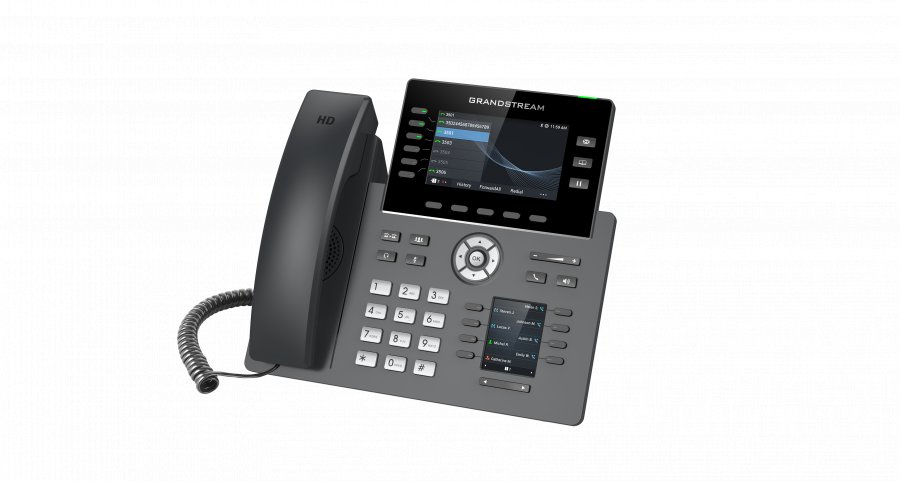
Transform Your Business Communication with Customizable Telephony Solutions
In today’s fast-paced business environment, effective communication isn’t just a luxury—it’s a necessity. Companies of all sizes are realizing that rigid, one-size-fits-all telephony systems can hinder productivity and customer satisfaction. Instead, many are turning toward customizable solutions that can be tailored to meet specific operational needs, workflows, and growth ambitions. This shift allows organizations to craft communication networks that are not only more efficient but also more aligned with their unique business models.
Tailored telephony systems empower businesses to integrate multiple communication channels—voice, video, messaging—into a single, unified platform. This integration simplifies management and enhances the customer experience by enabling seamless interactions across various touchpoints. For remote teams, customized solutions ensure consistent connectivity and collaboration, regardless of location, helping to break down geographical barriers and foster a more agile workforce.
Beyond basic connectivity, personalized telephony solutions offer automation features that streamline routine tasks like call routing, voicemail management, and follow-up notifications. These capabilities free up valuable time for staff, allowing them to focus on higher-value activities. Personalization also extends to user experience—phones can be configured with speed dials, tailored interfaces, and custom workflows that suit individual roles, making daily operations smoother and more intuitive.
Another key benefit of these systems is scalability. As your business grows or pivots, your communication infrastructure can evolve without major disruptions or costly replacements. Cloud-based management platforms enable remote configuration and updates, making it easy to add new users, deploy new features, or adjust call flows as needed. This flexibility ensures your telephony solution remains aligned with your strategic objectives, regardless of how your organization changes over time.
Security is a vital consideration when designing customized communication networks. Modern telephony systems built on industry standards like SIP incorporate encryption and secure provisioning, safeguarding sensitive conversations from eavesdropping or tampering. This focus on security not only protects your business data but also builds trust with clients and partners who rely on your communication channels.
Choosing a tailored approach to telephony isn’t just about technology—it’s about transforming how your organization communicates at every level. It creates a foundation where every interaction is optimized for efficiency and effectiveness. Whether it’s enabling remote work, supporting complex customer engagement strategies, or preparing for future technological integrations like AI and CRM systems, a customized system provides the flexibility needed to stay ahead in a competitive landscape.
Ultimately, investing in personalized telephony solutions is an investment in your organization’s agility and resilience. These systems allow you to adapt quickly to changing market demands, scale seamlessly, and deliver a superior experience to both employees and customers. As digital transformation continues to reshape the way we work and communicate, tailored communication platforms stand out as a vital tool for building a smarter, more connected business.

Unlocking the Power of Telephony Technology: From Landlines to VoIP Innovations
Telephony technology has come a long way from its early days, evolving from simple landline systems to sophisticated digital networks that support today’s dynamic business environments. Initially, traditional analog phones relied on circuit-switched networks, which reserved a dedicated physical path for each call. While reliable, these systems were inflexible and costly, especially as organizations expanded or required more complex communication setups. This model worked well for basic voice calls but struggled to keep pace with the demands of modern, multichannel interactions.
The major turning point in telephony came with the rise of Voice over Internet Protocol, or VoIP. Instead of establishing a dedicated circuit for each call, VoIP converts voice signals into data packets that are transmitted over the internet. This shift dramatically reduces costs, particularly for long-distance and international calls, and enables seamless integration with other digital communication tools like messaging platforms and video conferencing. VoIP’s flexibility allows users to make and receive calls from various devices—desktops, laptops, smartphones—using a unified platform, making it easier to adapt to changing business needs.
Understanding these core concepts is key to grasping how modern telephony systems operate. Quality of Service (QoS) standards, for example, prioritize voice traffic over data streams to maintain clear, uninterrupted calls even during busy network periods. Network management practices such as Virtual Local Area Networks (VLANs) help isolate voice traffic, ensuring high-quality communication without interference from other data. These practices form the backbone of reliable, scalable communication networks, allowing organizations to support increasing numbers of users and devices without sacrificing performance or security.
Hardware has also evolved significantly, moving from bulky analog devices to sleek, feature-rich IP phones. Early digital models offered basic functionalities, but today’s IP phones—like those in Grandstream’s lineup—are equipped with high-definition audio, color screens, programmable keys, and even Wi-Fi connectivity. This hardware supports a range of operational needs, from simple calls to complex conference calls and call routing, all while integrating seamlessly into existing network infrastructures through industry-standard protocols like SIP. Such advancements make deployment faster and management more efficient, especially for organizations with multiple locations.
Deploying these systems efficiently requires strategic planning and a focus on minimizing disruptions. Cloud management platforms, such as Grandstream’s Device Management System (GDMS), empower IT teams to configure, provision, and monitor hundreds or thousands of devices remotely from a single interface. This centralized control simplifies mass deployment, ensures consistent security policies, and facilitates quick troubleshooting or firmware updates. Network optimization techniques—including bandwidth management, traffic prioritization, and dedicated voice VLANs—help preserve call quality even during peak usage times, making the entire system more resilient and adaptable.
Security remains a critical concern in telephony, especially as systems become more interconnected. Modern solutions built on industry standards like SIP support encryption protocols such as SRTP and TLS, safeguarding voice data from interception and tampering. Secure provisioning processes ensure that devices are configured with appropriate credentials, reducing vulnerabilities. These security measures not only protect sensitive conversations but also ensure compliance with data protection regulations, giving organizations confidence that their communication infrastructure is resilient against cyber threats.
As technology advances, the foundation of telephony continues to strengthen with innovations that prepare businesses for the future. Cloud-managed devices and software updates enable organizations to stay agile, scaling their communication infrastructure effortlessly as they grow or adapt to new markets. The support for emerging features like AI-driven analytics, integrated CRM systems, and mobility solutions further enhances the capabilities of modern telephony. By understanding and leveraging these core principles, organizations can build communication networks that are not only reliable and secure but also primed to evolve with the digital landscape.
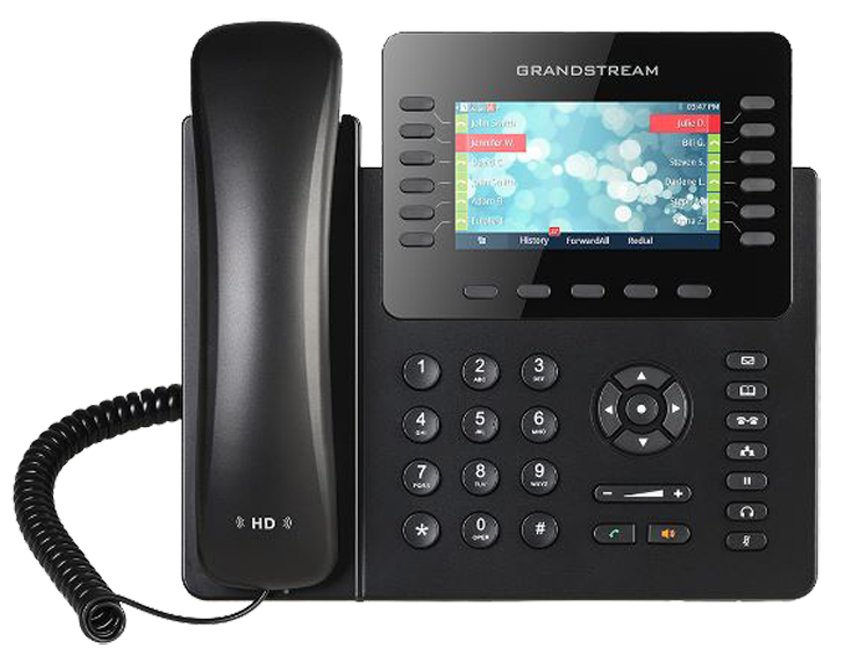
Grandstream’s Latest Devices: Elevating Business Communication to New Heights
Building on the strong foundation of modern telephony technology, Grandstream’s latest devices are revolutionizing how businesses manage and deploy their communication systems. The GRP series IP phones exemplify this innovation, combining high-quality audio with robust design and user-friendly features that simplify large-scale deployment. Designed for enterprises that need quick, reliable setup across multiple locations, these phones support rapid provisioning and centralized management through Grandstream’s Device Management System (GDMS). This platform enables IT teams to configure, monitor, and update thousands of devices remotely, reducing both time and operational costs.
The hardware itself reflects a thoughtful approach to user experience and operational efficiency. The GRP series features high-definition audio, vivid color screens, and programmable keys that can be customized for specific workflows. Wi-Fi connectivity adds flexibility, allowing phones to be placed where wiring isn’t feasible, without sacrificing quality. These devices support industry-standard protocols like SIP, ensuring seamless integration with existing network infrastructure and third-party systems. Their durability and advanced features make them ideal for environments ranging from bustling call centers to quiet executive offices.
Beyond hardware, Grandstream’s cloud-managed telephony solutions bring a new level of control and flexibility. With centralized dashboards, organizations can configure new devices, deploy updates, and troubleshoot issues without leaving their desks. This remote management capability not only accelerates deployment but also minimizes disruptions, keeping communication channels open and secure. For dispersed organizations, this means a unified, reliable system that can adapt swiftly to changing needs, whether scaling up during growth phases or adjusting workflows for new business priorities.
Scalability is a core strength of Grandstream’s offerings. As your business expands, adding new phones or features is straightforward—often just a few clicks away. The compatibility of these devices with existing infrastructure, combined with easy remote configuration, ensures that growing organizations won’t face costly hardware replacements or complex setups. Instead, they can expand their communication network seamlessly, supporting future tech integrations like AI-driven analytics or enhanced CRM functionalities that further boost productivity and customer engagement.
Security and interoperability are fundamental to every device and platform in Grandstream’s portfolio. These solutions adhere to industry standards such as SIP, enabling integration with a wide array of third-party systems and applications. Advanced security features like Secure Real-time Transport Protocol (SRTP) and Transport Layer Security (TLS) encrypt voice data, guarding conversations against cyber threats. This commitment to security provides peace of mind while maintaining compliance with data protection regulations, fostering trust among users and partners alike.
The evolution of Grandstream’s telephony devices signifies more than just technological advancement—it’s a strategic enabler for smarter, more efficient organizations. Their combination of high-performance hardware and intuitive cloud management transforms the deployment process, reduces operational complexity, and enhances call quality. Companies can deploy new systems faster, troubleshoot issues more efficiently, and adapt their communication channels effortlessly as their needs evolve. This agility ensures that businesses stay connected, responsive, and competitive in an increasingly digital landscape.
As the future of communication continues to unfold, Grandstream’s innovations position organizations to leverage emerging technologies with confidence. Their devices and cloud solutions are designed to support ongoing upgrades, ensuring compatibility with next-generation tools like AI analytics and integrated CRM systems. By choosing these cutting-edge solutions, businesses create a resilient, scalable, and secure communication environment that grows with them—empowering teams, elevating customer experiences, and unlocking new opportunities for success.