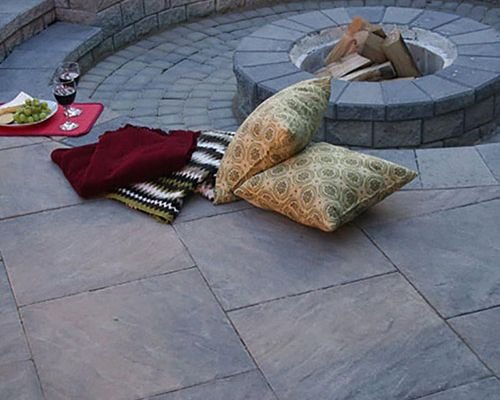
Transforming outdoor spaces into personal retreats hinges on more than just building a deck; it’s about creating a harmonious extension of your home that reflects your lifestyle and style. From meticulous planning—considering sunlight, landscape, and materials—to embracing current trends like multi-level designs and eco-friendly options, the journey requires precision and vision. Modern innovations, including smart technology and sustainable materials, promise decks that are not only beautiful but also adaptable and responsible. Yet, the challenge remains: How do you turn ambitious plans into a durable, inviting reality? With expert craftsmanship and thoughtful design, your dream outdoor sanctuary can become a lasting haven. As the industry evolves toward smarter, greener solutions, the future of custom decks offers endless possibilities—where innovation meets craftsmanship to redefine outdoor living. Are you ready to elevate your backyard into an outdoor masterpiece that lasts for years to come?
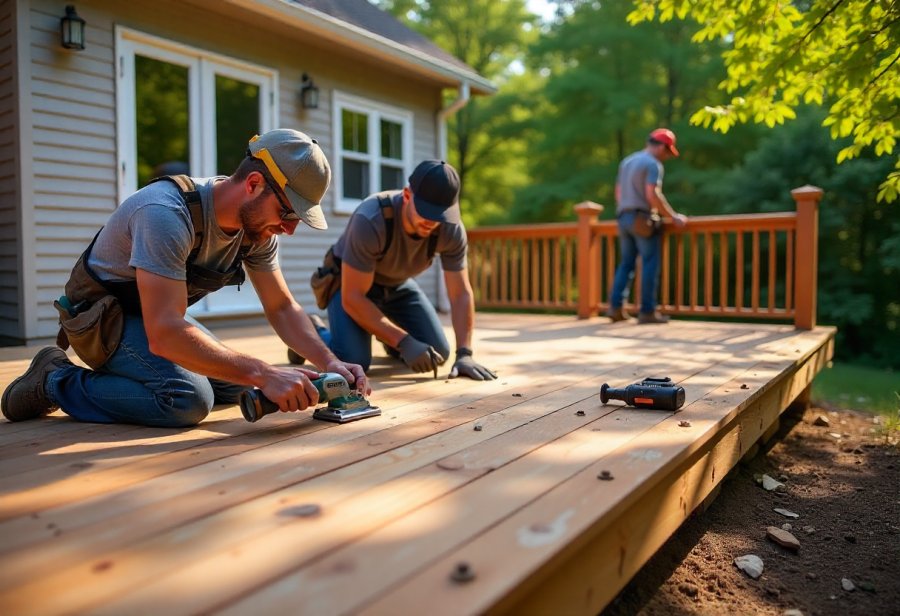
Transform Your Yard into a Personal Retreat with Custom Decks
Building a custom deck is about more than just adding a flat surface to your yard; it’s about creating an outdoor space that feels like a natural extension of your home. A well-designed deck transforms an ordinary backyard into a personal retreat where you can relax, entertain, and enjoy the outdoors on your own terms. It’s an investment that not only boosts your property’s curb appeal but also enhances its functionality and long-term value.
The true beauty of a custom deck lies in its versatility. Whether you envision a cozy nook for morning coffee or a spacious area for summer gatherings, tailoring the design to your lifestyle makes outdoor living more enjoyable. Thoughtful features like built-in seating, lighting, or planters can elevate the space, making it inviting and uniquely yours. When built with attention to detail, a deck becomes more than just a structure—it becomes a place for making memories.
Designing a deck that fits seamlessly into your outdoor environment requires careful planning. Consider your yard’s natural features such as sunlight, prevailing winds, and existing trees to determine the best placement. Choosing a location that maximizes comfort and usability—whether shaded seating areas or sunlit dining zones—encourages more outdoor time and makes your space truly inviting.
Material selection is crucial for durability and visual appeal. High-quality options like composite decking and treated wood offer longevity and low maintenance, ensuring your outdoor retreat remains beautiful over the years. Incorporating personalized touches, such as decorative railings or integrated lighting, turns a simple deck into a distinctive outdoor sanctuary that reflects your style and enhances your outdoor experience.
Creating a successful deck also involves harmonizing it with your landscape. It should complement your home’s architecture and landscape features, establishing a cohesive connection between indoor and outdoor spaces. Whether you prefer a modern, minimalist look or a rustic vibe, every element—from layout to finish—should work together to produce a space that feels natural, functional, and welcoming.
Ultimately, a well-crafted deck offers more than aesthetic appeal; it becomes a practical, cherished part of your home. It’s a space where you can unwind after a busy day, host friends, or simply enjoy the fresh air. When designed and built with care, a custom deck turns your outdoor area into an inviting retreat, encouraging you to spend more time outside and creating memories that last for years to come.
Designing Your Ideal Outdoor Escape: Key Considerations and Principles
Designing the perfect outdoor retreat begins with understanding your yard’s unique features and how you want to use the space. Take a moment to observe sunlight patterns, prevailing winds, and existing trees. This awareness helps you choose the ideal location for your deck, ensuring it feels like a natural extension of your home rather than an afterthought. Positioning seating in shaded spots or placing dining areas where sunlight is just right can make your outdoor space more comfortable and inviting.
Next, set a realistic budget early on. Knowing what you’re willing to spend helps prioritize features such as durable materials, built-in seating, or decorative elements. Clear financial boundaries keep the project manageable and prevent overspending. Once your budget is defined, outline the scope of your deck—its size, shape, and key features. Finding the right balance between what you want and what’s feasible is key to creating a space that’s both functional and beautiful.
Material choice plays a crucial role in achieving longevity and visual appeal. High-quality options like composite decking or treated wood offer durability and require less maintenance over time. Consider how these materials will complement your home’s style—sleek modern finishes suit contemporary architecture, while warm stained wood fits rustic or traditional homes. Combining the right materials and colors creates a cohesive look that stands the test of time.
A well-thought-out layout encourages smooth movement and social interaction. Clear pathways from your house to seating, dining, or firepit zones help create a seamless flow. Planning for future additions, like a hot tub or outdoor kitchen, ensures your design remains flexible as your needs evolve. Think about how each element connects, making your outdoor retreat easy to enjoy and adapt over the years.
Beyond aesthetics, pay attention to site conditions such as soil stability, drainage, and underground utilities. Addressing these factors early prevents issues like sinking or water damage later on. Proper groundwork and the involvement of experienced professionals can save time and money, providing a solid foundation for your deck’s longevity. Good planning now means fewer surprises down the line.
Finally, collaborating with landscape designers or outdoor architects can elevate your project. Their expertise helps refine your ideas, ensuring every detail—from lighting to railing style—fits your vision. A thoughtfully designed outdoor space feels cohesive and personal, turning your deck into a true extension of your home. When every element works together, your outdoor retreat becomes a place for relaxation, entertainment, and creating lasting memories.
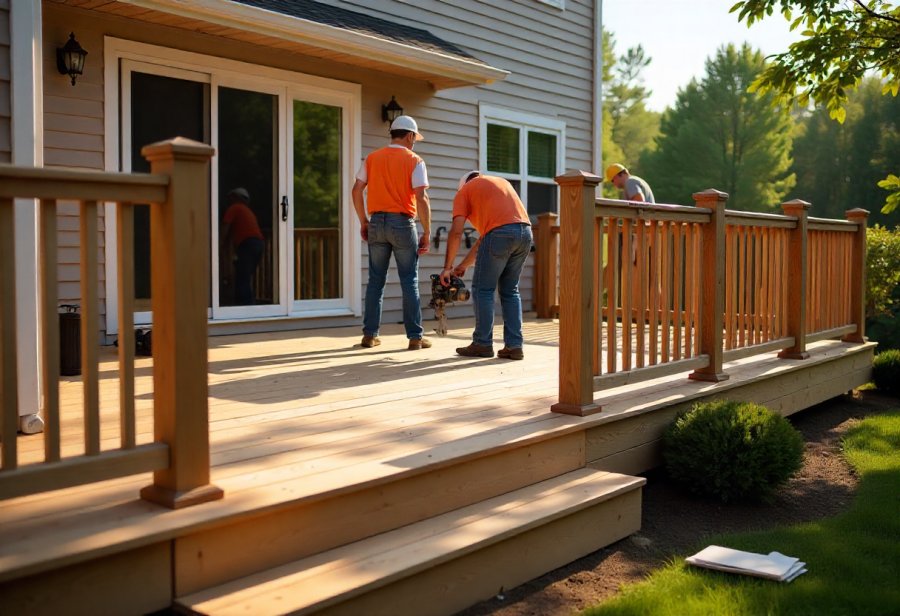
Modern Trends and Innovations Shaping Custom Deck Designs Today
Today’s deck designs blend timeless charm with fresh, modern touches, reflecting a shift toward outdoor spaces that are both stylish and highly functional. Open-concept layouts remain popular, effortlessly connecting indoor living areas with outdoor retreats and creating a seamless flow that invites relaxation and entertainment. Multi-level configurations are increasingly favored for their visual interest and ability to define different zones—whether for dining, lounging, or social gatherings—adding depth and dimension to outdoor spaces.
Material choices have evolved alongside these trends. Composite decking materials now dominate the market due to their durability, low maintenance, and eco-friendly qualities. Their sleek, uniform appearance mimics natural wood but withstands weather, pests, and heavy use far better than traditional options. This shift allows homeowners to enjoy a beautiful, long-lasting deck without the constant upkeep that wood requires, making it an attractive choice for busy lifestyles.
Sleek, minimalist railing options like cable or glass panels are gaining popularity, offering unobstructed views and a contemporary look. These lightweight, transparent barriers give decks an open, airy feel and help maximize outdoor vistas. Integrated lighting systems, built-in seating, and smart features such as weather sensors are now standard upgrades, enhancing both functionality and ambiance. These elements allow outdoor spaces to be enjoyed after sunset or during less-than-ideal weather, extending their use year-round.
Sustainability is a growing factor in deck design. Reclaimed wood, recycled composite materials, and eco-conscious finishes are increasingly common. Homeowners want outdoor spaces that not only look good but also minimize environmental impact. Solar-powered lighting, automated shading, and weather-responsive systems are becoming standard, turning decks into smart outdoor rooms that adapt to changing conditions and reduce energy consumption.
Multi-functional outdoor environments are on the rise. Many decks now incorporate features like outdoor kitchens, fire pits, shaded pergolas, and even integrated sound systems. These additions turn decks into versatile entertainment hubs, encouraging more frequent use throughout the year. The focus is on creating outdoor retreats that can be tailored to different activities, from casual lounging to lively gatherings.
Advances in construction technology are making custom decks more accessible and precise. Modular building techniques and 3D modeling tools allow for complex, multi-level designs that are easier and faster to execute. Visualizing projects in three dimensions helps prevent surprises during construction and ensures the final product matches the original vision. This progress in technology supports more innovative, personalized outdoor spaces.
Looking ahead, innovation in materials and smart technology promises to keep shaping deck design. Energy-efficient lighting, solar-powered accessories, and weather-adaptive features will become the norm, seamlessly integrating outdoor spaces with everyday life. As sustainability remains a priority, eco-friendly materials and energy-saving systems will continue to drive the industry forward, ensuring outdoor retreats are not only beautiful but also responsible.
Staying current with these trends allows homeowners and builders to craft decks that are both visually appealing and built to last. By embracing emerging styles and innovations, outdoor spaces can evolve into personalized retreats that enhance property value, improve quality of life, and stand the test of time.
Bringing Your Deck Dreams to Life: From Planning to Construction
Turning your deck plans into a finished outdoor space starts with translating your ideas into detailed blueprints. Clear, precise drawings that specify measurements, materials, and decorative features serve as your roadmap. These plans help everyone involved understand your vision, reducing miscommunication and minimizing costly mistakes during construction. Once your blueprints are ready, securing the necessary permits is essential. Complying with local building codes and safety standards upfront keeps your project moving smoothly and ensures everything is legal and safe.
With permits in hand, skilled craftsmen begin transforming your plans into reality. They start by preparing a solid foundation—excavating, leveling, and supporting the structure to ensure durability. Accurate framing follows, shaping the deck’s framework with attention to detail so it can support decking boards, railings, and any added features. Staying engaged during this phase allows you to address issues like uneven terrain or underground utilities early, preventing problems that could delay the project or compromise its stability.
As the main structure takes shape, focus shifts to installing your chosen decking materials. Whether you opt for composite, treated wood, or exotic hardwoods, proper installation is key. Precise spacing, secure fastening, and alignment ensure your deck looks polished and performs well over time. Regular inspections during construction help verify adherence to your plans, allowing adjustments if needed. This hands-on approach minimizes surprises and ensures the final outcome matches your expectations.
Unexpected challenges like soil conditions, weather delays, or utility conflicts can arise, but experienced contractors are adept at adapting quickly. Remaining involved and asking questions keeps you informed and helps you make timely decisions that keep the project on track. When the framework is complete, finishing touches such as railings, lighting, or built-in seating personalize your outdoor retreat. These details bring your vision to life and turn the deck into a welcoming space tailored to your lifestyle.
The final step is thorough inspection and cleanup. Professionals verify that everything meets safety standards and that the structure is solid and secure. A clean-up clears away debris, revealing your new outdoor space at its best. This process transforms your blueprints into a tangible, inviting deck designed to last for years. Working with experienced builders who prioritize craftsmanship ensures your project exceeds expectations and becomes a cherished extension of your home, ready to host memories and outdoor gatherings for seasons to come.
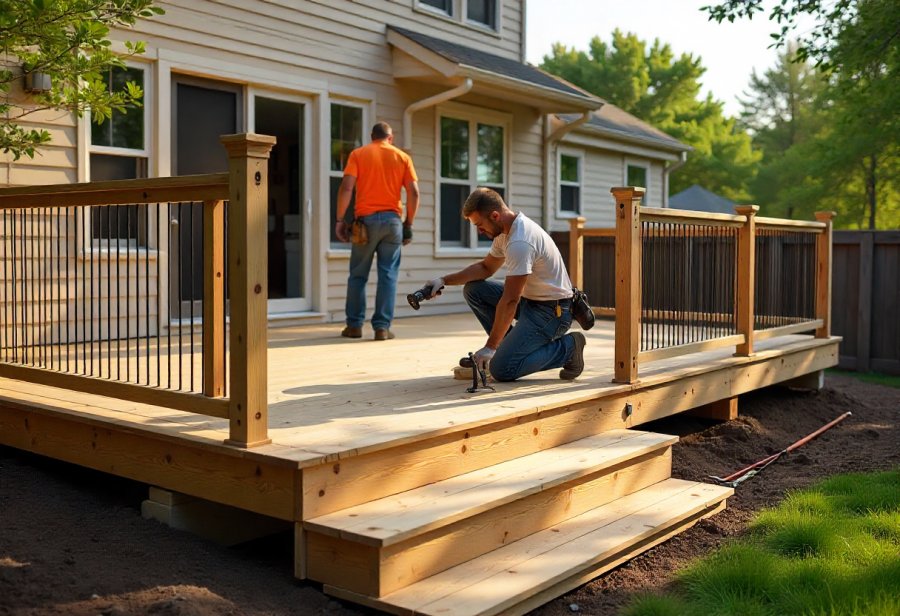
Future Horizons: Emerging Technologies and Sustainable Trends in Deck Building
Looking ahead, the future of custom deck building is poised for exciting developments driven by innovative materials, smart technology, and a stronger focus on sustainability. Eco-friendly options like recycled composite materials and reclaimed woods are becoming more prevalent, offering durability and beauty while reducing environmental impact. These sustainable choices resist weather, pests, and wear, meaning decks will last longer with less maintenance—perfect for busy homeowners seeking longevity without hassle.
Smart technology is transforming outdoor spaces into connected, energy-efficient retreats. Integrated lighting controls, weather sensors, and solar-powered devices allow homeowners to manage their decks remotely or automatically. Imagine adjusting lighting with a voice command or having shading respond to changing sunlight—all seamlessly integrated to create a more comfortable and convenient outdoor experience. These innovations make outdoor living more adaptable and enjoyable year-round.
Advances in construction techniques, such as modular components and 3D modeling, are making custom decks faster and more precise to build. Visualizing designs in three dimensions helps prevent surprises during construction, ensuring the final product matches your vision perfectly. This technology not only speeds up the process but also opens the door to more complex, multi-level designs that were once difficult or costly to realize. The result is more personalized outdoor spaces that reflect individual style and needs.
Sustainability remains a key driver in the industry. From sourcing recycled materials to designing decks that blend naturally into landscapes, builders are increasingly prioritizing eco-conscious practices. Solar lighting, energy-efficient shading, and weather-responsive systems are becoming standard features, turning decks into smart, eco-friendly outdoor rooms. These choices support a greener lifestyle without sacrificing comfort or aesthetics.
The trend toward multi-functional outdoor environments continues to grow. Decks now often include outdoor kitchens, fire pits, shaded pergolas, and integrated sound systems, transforming them into versatile entertainment hubs. Such features encourage more frequent use throughout the year and foster gatherings that extend beyond simple leisure. Future designs will likely emphasize flexible spaces that adapt seamlessly to various activities, making outdoor living an integral part of daily life.
Looking further ahead, exciting innovations promise to redefine what outdoor retreats can be. Energy-efficient lighting, solar-powered accessories, and weather-adaptive features will become standard, creating decks that are as smart as they are stylish. The integration of sustainable, tech-driven elements ensures outdoor spaces will remain relevant, functional, and eco-friendly for years to come. Staying informed about these trends allows homeowners and builders to craft decks that are both beautiful and forward-thinking, enhancing property value and everyday enjoyment.
In essence, the future of custom deck building is about blending innovation with sustainability, creating outdoor spaces that are smarter, greener, and more adaptable than ever. These advancements will help turn outdoor retreats into seamless extensions of the home—places designed not just for today but built to evolve with tomorrow’s needs.