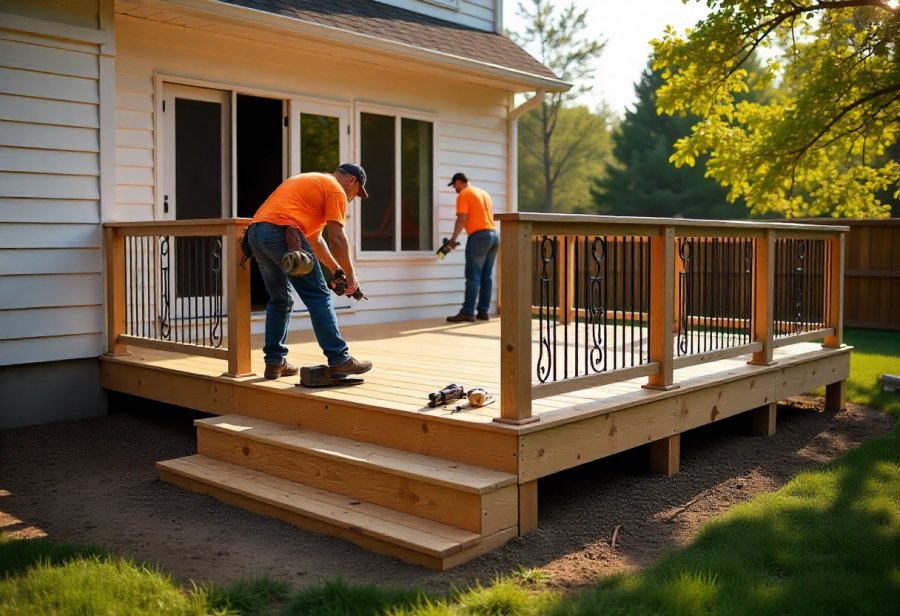
Transforming Toronto yards into inviting outdoor sanctuaries involves more than just aesthetics—it’s an art of balancing beauty, sustainability, and client satisfaction. How can homeowners achieve lush, resilient spaces that thrive amid seasonal shifts while supporting local ecosystems? This guide explores innovative landscape principles, emphasizing native plants, eco-friendly materials, and water-efficient design to craft low-maintenance, environmentally responsible retreats. It highlights the importance of collaborative planning, clear communication, and personalized touches that turn visions into reality. Real-world examples showcase how thoughtful choices—like rain gardens, natural stone features, and drought-resistant flora—create spaces that are both beautiful and sustainable. Looking ahead, emerging technologies and smart solutions promise to make outdoor living more adaptable and eco-conscious, raising the question: can future innovations truly make green, resilient outdoor retreats accessible for every Toronto homeowner? The answer lies in mindful design that marries aesthetics with environmental responsibility, transforming everyday yards into cherished personal escapes.
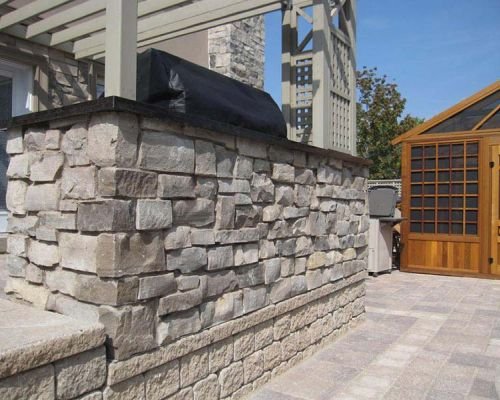
Transform Your Toronto Yard Into a Personal Outdoor Sanctuary
Transforming a Toronto yard into a welcoming outdoor retreat is about more than just aesthetics—it’s a way to reclaim outdoor space and enhance daily life. In urban settings where space can be limited, a thoughtfully designed yard becomes a personal sanctuary, offering relaxation, entertainment, and a connection to nature right outside the door. It’s not just about adding plants or paving; it’s about creating a balanced environment that combines beauty, functionality, and sustainability.
As Toronto continues to grow and urbanize, the importance of intentional landscape design becomes clearer. Homeowners are seeking outdoor spaces that are not only visually appealing but also resilient against the city’s changing seasons. Incorporating native plants and eco-friendly materials ensures yards are low-maintenance and environmentally responsible, supporting local ecosystems while standing up to Toronto’s climate challenges. These elements turn simple yards into sustainable retreats that require less water, fewer chemicals, and less effort to maintain.
The scope of yard transformations varies widely—from lush gardens to sleek patios and cozy firepit areas. Each project is tailored to reflect the homeowner’s vision and lifestyle, blending natural features with modern outdoor comforts. This customization allows residents to enjoy their outdoor spaces for relaxation, socializing, or simply unwinding in a serene environment. It’s about making the most of every inch, transforming ordinary yards into personalized escapes that elevate daily living.
Designing these outdoor retreats involves careful planning and a keen understanding of local conditions. Native plants, natural materials, and smart layout choices help create spaces that are both beautiful and durable. By emphasizing resilience and ease of care, these yards can thrive through Toronto’s seasonal shifts without demanding constant attention. The result is a harmonious blend of aesthetics and practicality that stands the test of time.
Ultimately, transforming Toronto yards into outdoor retreats reflects a shift toward mindful, eco-conscious living. It’s about maximizing limited space, supporting local ecosystems, and designing outdoor areas that are both inviting and sustainable. When approached with care and purpose, these projects do more than improve curb appeal—they enrich lives, foster environmental responsibility, and turn outdoor spaces into true extensions of the home.
Fundamental Principles for Sustainable, Beautiful Landscaping
Creating a visually appealing yard that’s also environmentally responsible starts with understanding some core principles. Native plants are a strong foundation because they’re naturally adapted to Toronto’s climate. They require less water, fewer fertilizers, and minimal maintenance, making them easier to care for over the long term. Plus, native species support local wildlife, helping to foster a healthier, more resilient ecosystem right in your backyard.
Resource efficiency is key to sustainable landscaping. Choosing eco-friendly materials like permeable pavers allows rainwater to seep into the ground, reducing runoff and helping replenish underground water sources. Installing smart irrigation systems, such as drip watering with rain sensors, ensures plants get just the right amount of water—conserving resources and lowering utility bills. These practices make maintaining a beautiful yard more environmentally friendly and less labor-intensive.
Designing landscapes that harmonize with natural features enhances both beauty and functionality. Incorporating rocks, soil, and native plants in organic arrangements creates a seamless, authentic look. Features like small ponds, natural stone pathways, or organically shaped planting beds contribute to a calming, natural ambiance. This approach avoids overly structured, artificial landscapes, emphasizing the inherent beauty of natural materials and forms.
Focusing on resilience ensures your yard remains vibrant through Toronto’s changing seasons. Selecting hardy, adaptable plants reduces the need for constant intervention, supporting a thriving landscape year-round. Easy-to-maintain features and durable plant choices help keep your outdoor space looking its best with minimal effort, making sustainability compatible with convenience.
Balancing aesthetics and practicality is about thoughtful layout and plant selection. Focal points such as cozy seating areas or eye-catching plant groupings create visual interest. Well-designed pathways and zones facilitate movement, while layered plantings add depth and texture, making the space inviting and easy to care for. Clear sightlines and organized zones streamline maintenance, keeping the yard attractive and functional.
Listening to homeowner preferences is vital. Every yard should reflect personal tastes, whether that means a lush garden, a sleek modern patio, or a wildlife habitat. Effective communication from the start ensures the design aligns with their lifestyle and aesthetic goals, making the final space more satisfying and easier to maintain over time.
Eco-friendly practices extend beyond plant choices. Using recycled materials, rainwater harvesting, and organic fertilizers creates a sustainable cycle that benefits both the environment and your landscape’s health. These techniques help craft outdoor spaces that are not only beautiful but also supportive of local ecosystems, ensuring your yard remains vibrant and resilient for years to come.
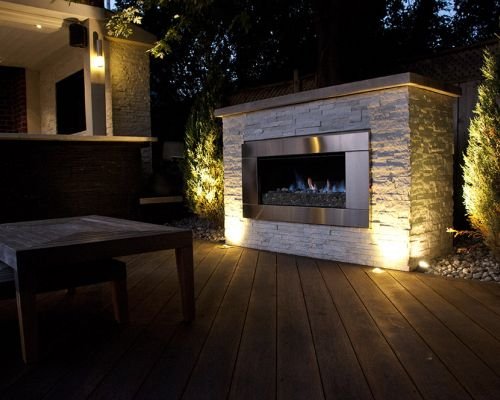
Ensuring Client Satisfaction Through Thoughtful Design and Communication
From the very start, clear communication is key to ensuring homeowners feel confident and satisfied throughout the project. Regular updates and honest dialogue about progress help set realistic expectations and build trust. When clients are involved and kept informed at every stage, they develop a sense of ownership and pride in the process. Listening carefully to their feedback—whether about design details or material choices—allows adjustments to be made early, preventing misunderstandings and aligning the final outcome with their vision.
Explaining the reasoning behind design choices fosters appreciation and a sense of partnership. When clients understand how native plants support local ecosystems or how permeable surfaces reduce runoff, they become more invested in the project’s environmental benefits. Involving them in selecting features like lighting, seating, or decorative elements creates a personalized experience. This collaborative approach not only enhances their connection to the space but also makes the final result feel uniquely theirs.
Managing expectations around timelines is equally important. Unforeseen delays—caused by weather, supply chain issues, or other factors—are part of any outdoor project. Being upfront about potential setbacks from the outset helps prevent frustration and fosters patience. When homeowners recognize that quality takes time and that careful craftsmanship results in a better yard, they’re more likely to appreciate the process, even when it takes a little longer than expected.
A well-organized project flow and seamless coordination between design, procurement, and installation reinforce confidence. Regular progress updates and transparent scheduling show professionalism and dedication. When clients see steady advancement and experience minimal disruptions, their trust deepens. Keeping the process transparent from start to finish makes the journey as satisfying as the finished space itself, transforming a construction project into a true partnership.
After completion, follow-up and guidance are vital. Offering tips on plant care, recommending eco-friendly products, and suggesting seasonal adjustments help homeowners maintain their yard’s beauty and health. Providing ongoing support demonstrates a commitment beyond installation, encouraging clients to view their outdoor space as a living, evolving environment. When homeowners feel supported long after the project’s end, their satisfaction grows, turning their yard into a cherished, sustainable retreat that continues to delight year after year.
Real-Life Projects and Practical Insights for Inspired Outdoor Spaces
Real-world projects bring the principles of sustainable and beautiful landscape design to life, illustrating how thoughtful choices translate into tangible results. Consider a Toronto homeowner who transformed an overgrown, cluttered yard into a peaceful oasis by selecting native plants that thrive locally. They installed a rain garden that not only reduces water use but also attracts birds and butterflies, turning the yard into a lively mini-ecosystem. Subtle lighting highlights natural features, creating a cozy atmosphere for evening gatherings while maintaining an inviting, natural look.
Another example features a modern outdoor entertaining space built with eco-friendly materials. Permeable pavers allow rainwater to seep into the ground, reducing runoff and supporting groundwater recharge. A small, natural stone water feature acts as a calming focal point, while native shrubs provide year-round visual interest. The homeowners appreciated how these sustainable elements complemented their style, resulting in a space that’s both environmentally responsible and perfect for family get-togethers.
Many Toronto residents have seen their yards evolve through collaborative planning. One client aimed for a low-maintenance garden that attracts pollinators. Native grasses and wildflowers were chosen to create a vibrant, eco-friendly habitat that needs minimal watering and no chemical treatments. The result is a lively, colorful yard that supports local biodiversity and remains easy to care for, demonstrating how understanding a homeowner’s lifestyle guides better design choices.
Homeowners often find satisfaction when their yards reflect their personality and needs. Some prioritize simple upkeep with drought-resistant plants and clean lines, while others create outdoor rooms with firepits and cozy seating. For instance, a family added a firepit and lounge area, transforming their backyard into a favorite retreat for evenings with friends. These stories show that listening carefully and customizing the design fosters a genuine connection to the space, making it more meaningful and enjoyable.
Eco-friendly features can also enhance aesthetic appeal. When a homeowner incorporated rainwater harvesting and organic fertilizers, their lush yard thrived without excess water or chemicals. They appreciated the lower utility bills and the knowledge that they were supporting the environment. These examples prove that green practices often elevate the overall look, creating outdoor spaces that are both beautiful and sustainable.
Ultimately, these projects highlight the importance of blending design, environmental responsibility, and homeowner involvement. As clients participate actively throughout, they develop a deeper sense of pride and ownership. The result is a yard that isn’t just visually appealing but also resilient, eco-conscious, and tailored to the owner’s lifestyle—proof that sustainable beauty is not only achievable but also deeply rewarding.
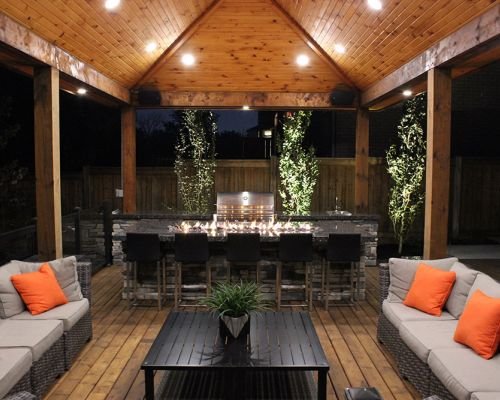
Future Innovations Set to Redefine Toronto Yard Transformations
Looking ahead, technology and innovative design concepts are set to revolutionize how Toronto yards become even more sustainable and adaptable outdoor retreats. Smart lighting systems, controllable via apps, will allow homeowners to effortlessly craft inviting atmospheres for evening gatherings or quiet nights outside. Meanwhile, eco-friendly materials like recycled pavers and biodegradable composites will gain popularity, helping reduce environmental impact without sacrificing style or durability. Modular structures, such as adjustable pergolas and outdoor kitchens, will offer flexibility for future upgrades, making it easier to reconfigure spaces as needs evolve.
Water management will take a central role in shaping future landscapes. Rainwater harvesting systems combined with smart irrigation solutions, like drip watering with advanced sensors, will support lush gardens while conserving water. These innovations will help yards withstand droughts and heavy rainfall alike, ensuring plants stay healthy with less effort and lower utility bills. As urban farming gains momentum, more homeowners will incorporate vegetable gardens, fruit trees, and herb beds into their outdoor spaces, blending practicality with aesthetics and fostering food independence right at home.
Digital tools like virtual reality and 3D modeling are already beginning to transform how clients plan their outdoor areas. These technologies allow homeowners to explore different layouts and plant choices before construction begins, reducing uncertainties and ensuring the final design aligns with their vision. This interactive process fosters collaboration, making the planning phase more engaging and precise. As these tools become more accessible, even smaller projects will benefit from enhanced customization, giving homeowners greater confidence in their outdoor transformations.
Climate resilience will drive smarter plant selection and design strategies. Native and drought-resistant plants will be prioritized to withstand Toronto’s shifting weather patterns, supporting landscapes that remain vibrant year-round with minimal care. These choices contribute to long-term sustainability, ensuring outdoor spaces can flourish through seasonal changes without requiring constant intervention. Integrating natural features like rain gardens and organic materials will further enhance resilience, creating yards that are not only beautiful but also prepared for future environmental challenges.
As the landscape industry evolves, ongoing collaboration and education will become key. Designers will increasingly serve as guides, helping homeowners navigate a growing array of eco-friendly options and innovative technologies. This partnership approach ensures outdoor retreats are not just visually stunning but also future-proofed, resilient, and aligned with changing environmental conditions. Spaces built on this foundation will continue to inspire, offering Toronto residents outdoor sanctuaries that are as smart as they are beautiful.