Is a simple battery check enough to guarantee worry-free driving? While many believe that regular inspections alone can prevent breakdowns, the truth is more nuanced. Your car’s battery is vital, powering everything from startups to electrical systems, yet it’s often overlooked until trouble strikes. Regular maintenance—such as inspecting terminals for corrosion, tightening cables, and testing voltage—can reveal early signs of wear and extend your battery’s lifespan. But are these routine checks sufficient, or do they only scratch the surface of vehicle reliability? This guide explores the importance of establishing a consistent maintenance routine, emphasizing visual inspections, quick voltage tests, and attentive observation of starting performance. With small, proactive steps, drivers can prevent unexpected failures, avoid costly repairs, and ensure their vehicle is always ready for the road. Discover how a few minutes every few months can make all the difference between confidence and inconvenience in your daily drive.

Keep Your Car Alive: The Essential Guide to Battery Maintenance
Your car’s battery is often called the heart of the vehicle—and for good reason. It supplies the power needed to start the engine, run your headlights, and keep your entertainment systems humming. When your battery is in good shape, starting your car feels effortless, and electrical components work smoothly. But once it begins to weaken or fail, you might notice sluggish starts, dimming lights, or flickering dashboard indicators—small signs that can quickly turn into bigger problems if ignored.
Many drivers don’t give much thought to their battery until trouble strikes. Waiting until your car won’t start or you’re stranded on the side of the road means missing out on simple preventive measures. Regular battery checks are a straightforward way to stay ahead of potential issues, saving you from inconvenient breakdowns and costly repairs. It’s about catching early signs of wear—like corrosion or declining voltage—before they develop into emergencies.
Understanding how your battery works helps highlight why routine maintenance matters. A car battery stores electrical energy, which is used to ignite the engine and power various electrical systems. Over time, especially in extreme weather or with frequent short trips, batteries naturally lose capacity. But many problems can be avoided or mitigated through simple inspections—like checking terminals for corrosion or testing voltage levels—giving you confidence that your vehicle is ready to go whenever you need it.
Getting into the habit of regular battery checks doesn’t require fancy tools or deep technical knowledge. Basic tasks such as inspecting the terminals for buildup, tightening loose cables, and using a multimeter to measure voltage are quick and accessible. These small steps can reveal early warning signs, helping you extend your battery’s lifespan and maintain vehicle reliability. With just a few minutes every few months, you can prevent surprises that leave you stranded or facing roadside repairs.
Making battery maintenance part of your routine is a smart move for worry-free driving. It’s a simple investment of time that pays off by keeping your vehicle dependable, especially during seasonal changes or extreme weather conditions. Regular checks—visual inspections, cleaning terminals, tightening connections, and testing voltage—help you stay ahead of issues. Over time, these habits become second nature, giving you peace of mind that your car is always ready to start and run smoothly whenever you hit the road.

Critical Checks and Simple Techniques to Maximize Battery Performance
Maintaining your car battery’s health hinges on a few simple, regularly performed checks that can prevent unexpected breakdowns and keep your vehicle running smoothly. The first step is inspecting the battery terminals for corrosion, which appears as a white, greenish, or bluish deposit. Corrosion acts like a barrier, impeding electrical flow and making it harder for your car to start. If you notice any buildup, disconnect the cables carefully and clean the terminals using a mixture of baking soda and water. Gently scrub away the deposits with an old toothbrush or small wire brush, rinse with clean water, and dry thoroughly. This routine cleaning restores a solid connection, ensuring efficient power transfer and preventing electrical issues down the line.
Next, check that your battery cables are securely attached. Over time, vibrations from driving can loosen clamps, leading to poor connections that cause intermittent electrical problems. Give each clamp a quick tighten—snug but not overtightened—to keep the flow of current steady. Securing these connections is especially critical during seasonal changes or after rough driving conditions, where vibrations are more intense. Regularly verifying the tightness of the cables prevents many common issues, such as slow starts or flickering lights, and helps maintain overall vehicle reliability.
Beyond inspecting the terminals and cables, visually assess the condition of the battery case itself. Look for cracks, leaks, or swelling—signs that the battery might be aging or damaged. Swelling, in particular, can indicate internal problems like overcharging, which increases safety risks and can lead to sudden failure. If you spot any of these signs, have the battery tested by a professional and consider replacing it before it leaves you stranded. Catching these warning signs early not only saves money but also ensures your safety on the road.
Testing your battery’s voltage with a multimeter offers a quick, reliable way to gauge its health. With the engine off, set the multimeter to measure volts and place the probes on the corresponding terminals—red on positive, black on negative. A fully charged, healthy battery should read around 12.6 volts. If the voltage drops below 12.4 volts, it signals the battery is losing capacity and may need recharging or replacing soon. Performing this simple test every few months, especially before long trips or in cold weather, provides an early warning system that can prevent inconvenient breakdowns. It’s a straightforward step that can save you time, money, and stress.
Finally, pay attention to how your vehicle starts and runs. Slow cranking, dimming headlights, or flickering dashboard lights are often subtle hints that your battery is weakening. These signs tend to develop gradually, so staying alert to small changes helps catch trouble early. If you notice persistent issues, consulting a mechanic for a more comprehensive check can identify whether the problem lies with the battery, alternator, or other electrical components. Addressing these symptoms promptly keeps your vehicle dependable and ready for any journey, no matter the conditions. By incorporating these simple checks into your routine, you can extend your battery’s lifespan and enjoy worry-free driving with confidence.
Build a Routine: Easy Steps to Ensure Your Battery’s Longevity and Reliability
Establishing a regular battery maintenance routine is one of the most straightforward ways to keep your vehicle dependable and ready for the road. Instead of waiting for warning signs or a breakdown, setting a consistent schedule allows you to catch small issues early—saving time, money, and the frustration of being stranded unexpectedly. Making this habit part of your overall vehicle care ensures you’re always prepared, no matter the season or driving conditions.
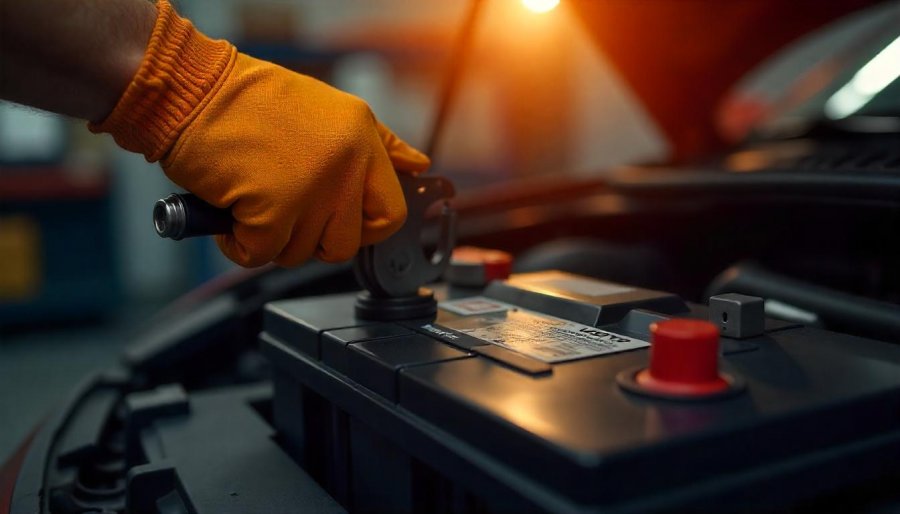
Start by committing to check your battery every three to six months. This interval strikes a good balance between staying proactive and avoiding unnecessary fuss. Regular inspections don’t require special skills—just a little time and attention. Visual checks are quick: look for corrosion on the terminals, cracks, leaks, or swelling around the case. Corrosion appears as a white, greenish, or bluish deposit and can act like a barrier, blocking electrical flow and making your car harder to start. Removing corrosion early keeps your connection clean and electrical performance optimal.
Next, focus on the cables and clamps. Vibrations from driving, especially over rough roads or in rough weather, can loosen these connections. Loose clamps lead to poor contact, causing slow starts, flickering lights, or even intermittent electrical issues. A simple tightening of the clamps ensures a steady current flow. Don’t overtighten, as this can damage the terminals, but snug enough to prevent movement. This quick step can prevent many common electrical problems, extending your battery’s life and improving overall reliability.
Visual inspection of the battery’s physical condition is just as important. Look for any cracks, leaks, or swelling. Swelling, in particular, indicates internal damage, often caused by overcharging or age-related deterioration. If the case appears compromised, have a professional test the battery’s health and consider replacing it before it fails unexpectedly. Addressing these signs early can save you from costly repairs and roadside emergencies, giving you peace of mind during your daily drives.
Testing your battery’s voltage with a multimeter offers a simple yet effective way to monitor its condition. With the engine off, set the multimeter to measure volts. Touch the red probe to the positive terminal and the black to the negative. A fully charged battery should read around 12.6 volts. Anything below 12.4 suggests your battery is losing capacity and might need recharging or replacement soon. Performing this check every few months—especially before long trips or in cold weather—provides an early warning system. It’s a quick, inexpensive step that helps you stay ahead of potential problems before they cause inconvenience.
In addition to visual and voltage checks, pay close attention to how your vehicle starts. Slow cranking, dim lights, or flickering dashboards are often signs that your battery is weakening. These symptoms tend to develop gradually, so noticing them early can prevent sudden failures. If you observe persistent issues, a professional diagnostic can determine whether the problem stems from the battery, the alternator, or another component of your electrical system. Addressing these signs promptly keeps your vehicle dependable and reduces the risk of roadside breakdowns.
Incorporating these checks into a regular routine doesn’t require much effort. A few minutes every three to six months is enough to identify early signs of wear and extend your battery’s lifespan. Keep a simple record of your inspections—note any corrosion, loose connections, or voltage readings—to track patterns over time. This habit not only prolongs your battery’s life but also builds confidence, knowing your vehicle is prepared for whatever lies ahead. Over time, these small routines become second nature, making car maintenance feel less like a chore and more like a habit.
Remember, you don’t need to be a car expert to maintain your battery properly. Basic supplies—such as a multimeter, baking soda, water, and an old toothbrush—are all you need to perform most checks. If you’re unsure about what you’re seeing or notice persistent problems, consulting a mechanic is a wise move. Regular maintenance is a small investment of time that pays off by preventing breakdowns, reducing stress, and ensuring your vehicle remains reliable in any situation. With consistent effort and simple steps, you’ll keep your battery—and your vehicle—healthy, dependable, and ready for every journey.